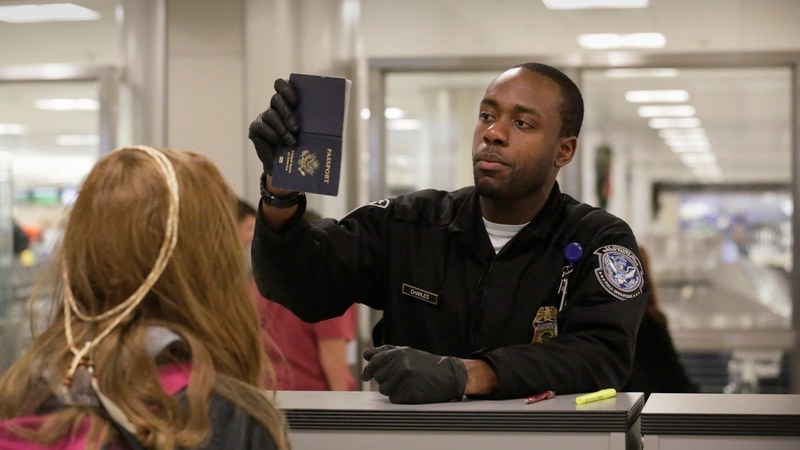
The European Union has decided to uphold the Schengen Entry/Exit System (EES), a biometric border control regime, after its launch in October 2025. The system uses fingerprint and facial recognition technology to replace manual passport stamping at external EU borders. A six-month phased rollout is underway, aimed at enhancing migration management, enforcing short-stay rules, and improving security across the Schengen area.
Significant Delays Reported at Major Airports
Since the biometric checks became mandatory, several EU airports have experienced severe processing delays. Queues of up to three hours have been recorded, with border processing times extending by as much as 70% during peak periods. Airports in Italy,
including Rome’s Fiumicino and Ciampino, as well as major Spanish and Portuguese hubs serving non-EU leisure travelers, have been notably affected. Paris airports managed by Groupe ADP have also reported extended wait times.
Industry Calls for Temporary Suspensions and Operational Flexibility
Airport and airline organizations have voiced concerns over the pace of the EES rollout. Airlines for Europe highlighted ongoing excessive waiting times and stressed the need for clear communication and authority to enact time-limited suspensions of biometric enrollment during congestion. Groupe ADP warned expanding biometric checks before the summer high season posed serious risks. The management of Rome’s Fiumicino and Ciampino airports cautioned that without temporary suspensions,
peak season could lead to operational disasters.
National Measures and Inconsistent Application Across Borders
While EU legislation does not permit a blanket halt to biometric checks, some national border authorities have employed temporary reductions in biometric enrollment or reverted to manual passport controls to alleviate congestion. Greece has effectively discontinued biometric checks for British travelers at multiple airports despite officially maintaining full EES implementation. Italian and Portuguese airports have publicly discussed suspending biometric capture selectively to manage wait times.
Travelers Face Variability and Extended Processing Times
Travelers crossing EU external borders now confront inconsistent biometric enforcement, with some fully enrolled on certain trips and others processed manually or only partially during busy periods. Long
queues and slower border control have caused missed flights and travel disruptions, particularly at larger hubs such as Milan. Airlines have advised passengers to arrive as early as three and a half hours prior to short-haul flights at affected airports to accommodate extended check-in and border procedures.
EU institutions continue to emphasize that the Entry/Exit System is crucial for improving border security and migration controls. The six-month phased rollout reportedly allows some flexibility for member states to manage border congestion by temporarily reducing biometric data capture, but does not authorize a broad suspension.
Airline and airport operators warn that ongoing
delays increase operating costs and complicate scheduling. The disruptions risk harming Europe’s reputation among long-haul visitors and post-Brexit UK travelers, potentially deterring price-sensitive holidaymakers toward non-Schengen destinations. Airlines have adjusted schedules and boarding times to mitigate the impact, measures likely to raise fares if delays persist.
Despite calls from industry stakeholders for wider suspension powers, the EU has confirmed no plans to pause biometric border controls, prioritizing security and migration management over short-term travel flow improvements.