Understanding Current Hotel Booking Trends Ahead of FIFA World Cup 2026
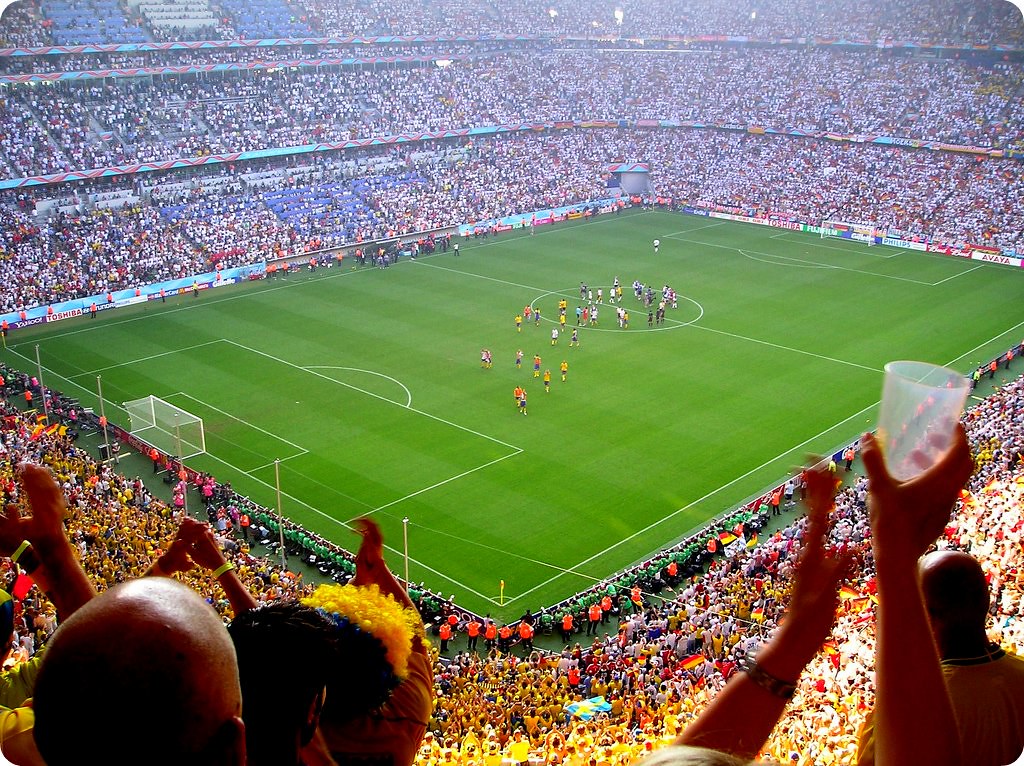
With the FIFA World Cup set to bring significant visitor demand across multiple U.S. and Canadian host cities, the hospitality sector is closely monitoring hotel booking patterns as the event approaches. Notably, reports indicate a lower rate of early hotel reservations among U.S. travelers planning to attend or witness the tournament. This trend contrasts with typical major international events where early bookings often dominate.
Potential Effects on Hotel Capacity and Pricing Strategies
The hesitation among U.S. travelers to commit to hotel accommodations early poses challenges for hotel operators and market planners. Without robust early bookings, hotels and hospitality venues face uncertainty in capacity planning, which complicates staffing, inventory
management, and pricing strategies. This dynamic can lead to fluctuating availability and potentially higher costs for travelers who wait until closer to the event date to secure lodging.
Implications for Host Cities and the North American Hospitality Market
Host cities preparing for the influx of FIFA World Cup visitors may need to adapt their hospitality market expectations in response to booking behavior. Lower early demand can impact both local economies and hotel revenue forecasting. At the same time, flexible market adjustments may be necessary to accommodate last-minute surges in demand, influencing the broader North American hospitality industry’s approach to marketing and promotions.
Considerations for U.S. Travelers Planning Their World Cup Visit
U.S. consumers interested in attending the 2026 tournament
may face limited hotel availability or elevated prices if they delay reservations. Industry adjustments and potential supply-demand imbalances highlight the importance of weighing booking timing carefully. Early planning could provide more options, whereas postponing decisions might result in higher expenses or reduced choices in preferred locations.
Market Uncertainties and the Need for Strategic Industry Response
While exact booking numbers and pricing projections remain undisclosed, the existing patterns point to a cautious approach by U.S. travelers when arranging accommodations for the FIFA World Cup 2026. The hospitality sector’s response will be critical in balancing capacity with evolving demand, ensuring optimal service delivery and maintaining market stability amid this global sports
event.