Flight Disruptions Impact Multiple Key U.S. Hubs
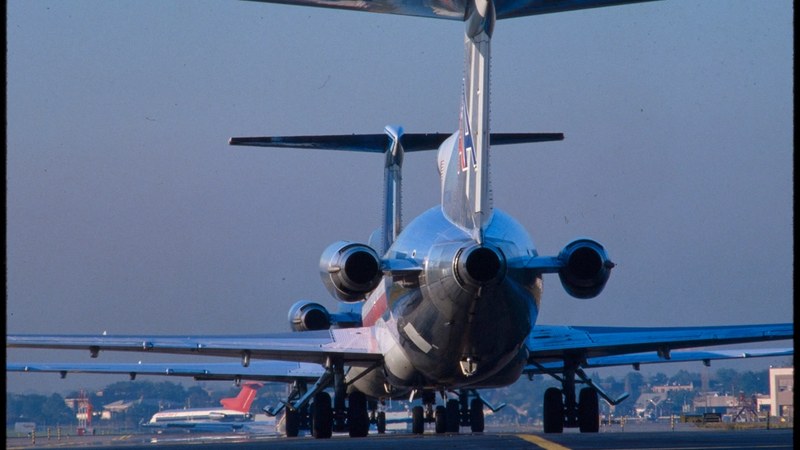
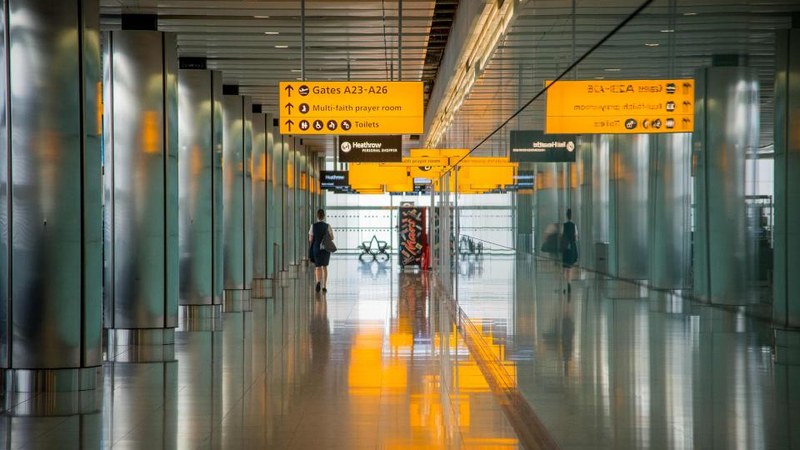
The summer travel season in 2026 is witnessing significant operational challenges at several major U.S. airports. Widespread flight cancellations and delays are affecting hubs such as Chicago O’Hare, Atlanta, Denver, Los Angeles, and Dallas Fort Worth. These disruptions have contributed to passenger inconveniences across the country, with thousands experiencing extended waits and missed connections amid the peak vacation period.
Severe weather has been a major disruptor, particularly thunderstorms in the Dallas Fort Worth area leading to the cancellation of over 300 flights. Meanwhile, congestion management and FAA-imposed traffic caps have contributed to cascading delays and cancellations at the busiest airports.
Chicago O’Hare, Atlanta, and Denver: Focal Points of Disruption
Among the airports impacted, Chicago O’Hare consistently ranks as one of the most affected. Hundreds of flights have either been canceled or delayed at this major international gateway over recent weeks. The combination of weather-related challenges and operational constraints has led to complex scheduling difficulties for airlines operating out of O’Hare.
Atlanta’s Hartsfield-Jackson airport, frequently the world’s busiest by passenger traffic, has also experienced significant delays. Airport capacity limits and sequencing adjustments by air traffic control have resulted in thousands of travelers waiting longer than usual at gates and on taxiways.
Denver International Airport is similarly impacted by the summer
season’s high traffic volumes coupled with sporadic weather events. Flight cancellations at Denver have risen noticeably, further complicating travel plans particularly for connecting flights through the Rocky Mountain hub.
Contributing Factors Behind the Delays
The summer disruptions are driven by a mix of factors including adverse weather patterns, FAA traffic management strategies, and airline operational challenges. Thunderstorms and other localized weather phenomena have repeatedly forced ground holds and stopovers, while efforts to maintain safety and airspace efficiency have further limited runway throughput at several airports.
Also, staffing shortages and logistical issues within airline operations have exacerbated delays, leading to domino effects during periods of peak
demand. Airlines such as United, Southwest, and American have been among those impacted by these disruptions, complicating recovery efforts across their respective networks.
Impact on Travelers and Travel Industry
The ripple effects of flight cancellations and delays extend far beyond the airports themselves. Thousands of travelers across the U.S. face disrupted vacation plans, missed business meetings, and complicated connections this summer. The unpredictability of schedules presents challenges for those relying on timely travel, whether for leisure or work.
From a tourism and travel industry perspective, these disruptions can affect customer satisfaction and the economic flow linked to travel spending. Airports and airlines often see increased demands
on customer service resources, with additional costs related to rebooking and accommodations. Such operational hurdles highlight the need for ongoing infrastructure investments and enhanced contingency planning within the sector.
Managing Travel Plans Amid Ongoing Disruptions
With these conditions continuing to unfold, travelers are advised to proactively monitor flight status and prepare for potential last-minute changes. Flexibility in itinerary planning and early check-ins are expected to reduce the stress associated with travel disruptions. While specific airline compensation policies remain varied and undisclosed, awareness of airline protocols can assist passengers in navigating cancellations or extended delays.
Outlook for the Coming Months
Looking ahead, the combination of seasonal weather variability and ongoing operational adjustments
by the FAA suggests that flight delays and cancellations may persist at several major U.S. airports. Stakeholders within the transportation ecosystem continue to focus on mitigating impacts and enhancing traveler communications.
Travelers and industry partners alike remain attentive to developments, preparing for a summer travel landscape marked by heightened fluctuations and the need for adaptive responses.