Germany and Switzerland issued a joint travel advisory on or before 14 July 2026 alerting travelers to intensified biometric screenings causing longer queues and flight delays at major airports including Frankfurt, Munich and Zurich.
Operational Impact at German and Swiss Airports
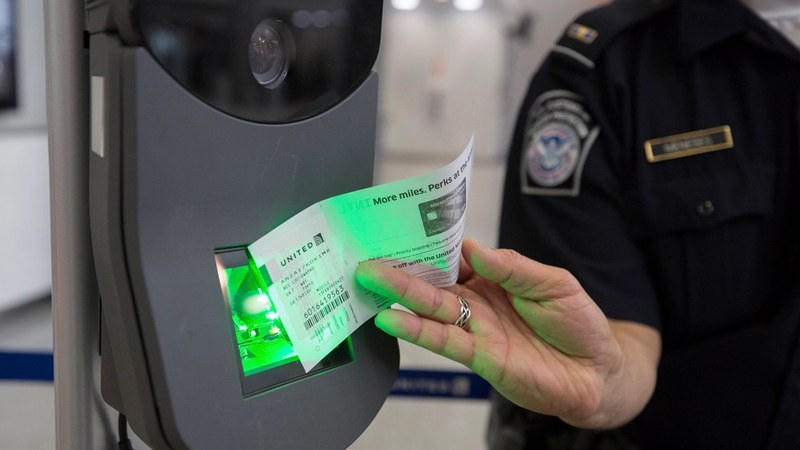
Airports such as Frankfurt Airport, Munich Airport and Zurich Airport are experiencing extended wait times during check-in, security screening, and immigration processing amid the expansion of biometric border control technologies. These systems, including facial recognition and electronic passport verification, are being used alongside traditional passport control to manage increased passenger volumes. Airlines such as Lufthansa and SWISS advise passengers to use official mobile apps to receive
real-time updates on gate changes, boarding times, and flight delays. To optimize passenger flow, airport staff may redirect travelers between automated biometric gates and manual passport control lanes depending on demand.
Causes: Airspace Congestion, Weather and Air Traffic Restrictions
Central European airports are operating during Europe’s busiest travel period under pressure from severe thunderstorms, expanded flight paths to avoid conflict-affected airspace, and air traffic control restrictions. These factors compound operational delays as airlines approach maximum capacity during summer 2026. Even minor delays at hubs like Frankfurt and Zurich can disrupt connecting flights, aircraft rotations, and baggage handling, amplifying passenger wait times and congestion.
Traveler Guidance Amid Increased Processing Times
Germany and Switzerland recommend travelers
allow additional time for airport procedures, especially non-European Union passengers facing longer immigration processes due to the mixed use of biometric and traditional control. Passengers with separate tickets and international travelers should schedule extra connection time to reduce the risk of missing subsequent flights. Airport authorities emphasize the importance of validated passports, necessary visas, and having boarding documentation ready. Real-time notifications via airline apps are critical for tracking frequent gate and aircraft parking adjustments implemented to maintain operational efficiency.
Significance of Germany and Switzerland in European Aviation
Frankfurt, Munich and Zurich remain vital aviation hubs linking millions of passengers globally. Despite current operational pressures, tourism infrastructure including hotels,
rail services and cultural attractions across Germany and Switzerland continues to operate fully. Airport and airline authorities continue to rely on flexible passenger management and digital communication tools to mitigate congestion while upholding security standards throughout the busy summer season.