Germany and Switzerland issued a travel advisory on July 14, 2026, warning travelers of intensified airport queues, flight delays, and biometric checks at major Central European hubs including Frankfurt, Munich, and Zurich airports during the 2026 summer season.
Operational pressures at Frankfurt, Munich and Zurich airports during summer 2026
These airports are operating under significant strain due to peak passenger volumes and airlines flying near maximum capacity. The disruptions stem from severe thunderstorms affecting flight schedules, extended flight routes circumventing conflict-affected airspace, and air traffic control restrictions across Central Europe. Small delays at these hubs have cascading effects on connecting flights, baggage transfers, and aircraft rotations throughout Europe’s aviation network.
Passenger processing delays and adoption of biometric technology
Longer
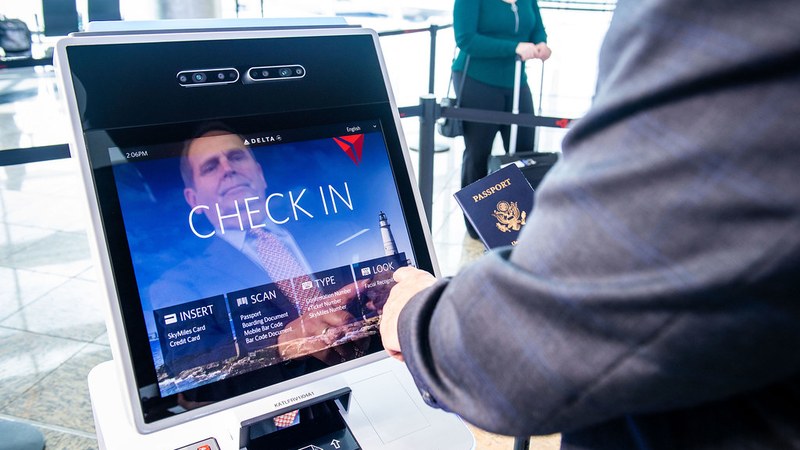
wait times have been reported for check-in, security screening, and immigration processing. Germany and Switzerland employ both traditional passport control and modern automated border management systems. Biometric technology like facial recognition and electronic passport verification is integrated to accelerate border processing, but passengers may be redirected between biometric gates and manual lanes depending on operational demand. These measures intend to maintain security and alleviate wait times without adding new immigration requirements.
Traveler recommendations on timing and communication
Airlines such as Lufthansa and SWISS strongly advise travelers to download their official mobile apps to receive real-time updates concerning gate changes, boarding times, connection information, and delays. Passengers
should activate notifications and regularly check their bookings. Additional time should be allowed for check-in, security, and border control, especially for non-EU travelers and those with international connections. Booking through a single airline or alliance can improve protection against operational disruptions.
Summer 2026 travel peak and ongoing operational adaptations
Summer remains Europe’s busiest travel period. Despite the operational challenges at airports in Frankfurt, Munich, and Zurich, the wider tourism infrastructure in cities such as Berlin, Hamburg, Geneva, and Lucerne continues normal service. Airport authorities continuously adjust aircraft parking positions, boarding gates, and departure slots to maximize efficiency amid heavy traffic. These adaptations, paired with expanding biometric systems and
enhanced digital communication, aim to manage passenger flows and maintain safety across Central Europe’s aviation network during this busy season.