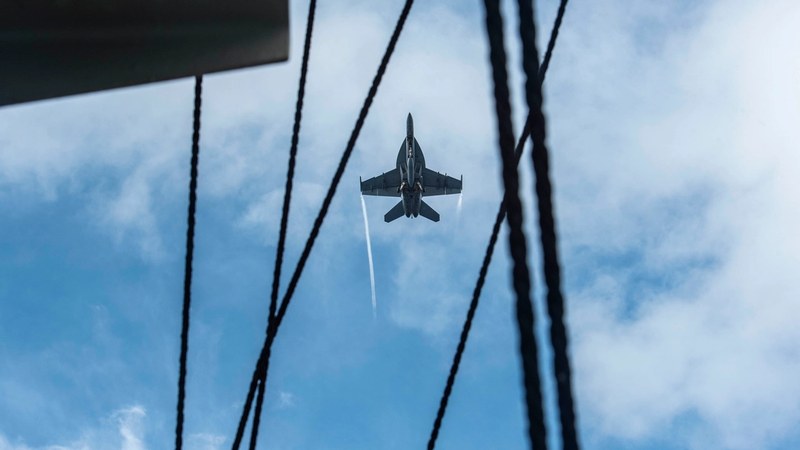
Flight Rerouting and Cancellations Amid Regional Turmoil
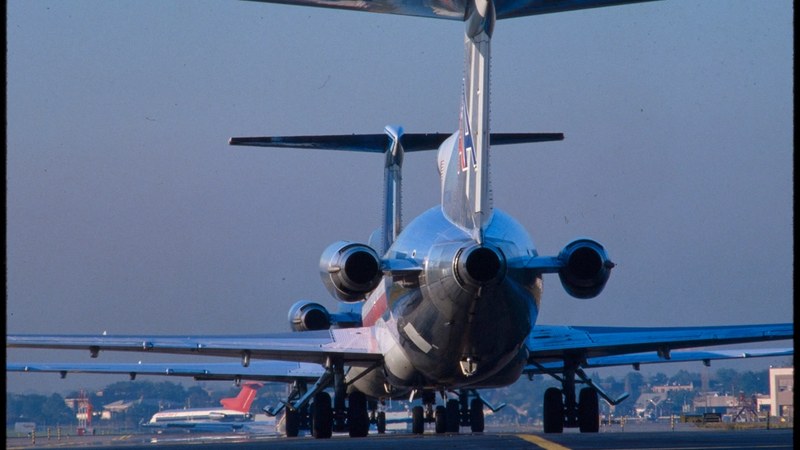
As geopolitical tensions continue to impact the Middle East, notable disruptions to air travel routes have been reported. Several flights connecting the United States with key destinations in the Middle East and Eastern Mediterranean have experienced cancellations or rerouting due to unfolding conflict dynamics involving countries such as Oman, Iran, and Israel. These changes have led to operational challenges for airlines handling U.S. travel lines in the region.
Airlines are adjusting their flight paths and schedules to maintain passenger safety and regulatory compliance while attempting to minimize disruptions. Travelers should anticipate potential alterations to their itineraries as carriers navigate the
evolving security landscape.
Eastern Mediterranean Summer Tourism Experiences Booking Slowdowns
The travel impact extends beyond flights, with several Eastern Mediterranean destinations reporting a measurable slowdown in tourism bookings for the European summer season of 2026. Travel advisories issued by multiple governments have contributed to diminished consumer confidence, affecting popular countries that attract U.S. visitors during peak travel months.
Though the region traditionally draws sizeable numbers of American travelers at this time, ongoing conflict concerns and related advisories are prompting a cautious approach. Tourism providers and booking agents are observing hesitancy as many potential tourists reassess their plans in light of current developments.
Travel Advisories Highlight Safety Priorities for U.S. Tourists
U.S. government entities have issued
updated travel advisories emphasizing the need for vigilance when considering travel to affected areas in the Middle East and Eastern Mediterranean. These advisories underline security risks and encourage travelers to stay informed regarding local conditions. The emphasis is on prioritizing personal safety and closely following ongoing guidance from official sources.
American travelers planning trips to impacted regions are advised to closely monitor both airline communications and government updates. Awareness of changes relating to potential flight adjustments, entry requirements, and local safety circumstances is essential for informed travel decisions.
What This Means for U.S. Travelers Planning Summer 2026 Trips
Given the travel disruptions and advisories linked to the Middle East conflict,
it is prudent for prospective U.S. tourists to remain flexible with their travel arrangements. Adjusting itineraries or considering alternative destinations might be necessary as flight schedules evolve and booking conditions fluctuate across the Eastern Mediterranean.
Travelers should register with the Smart Traveler Enrollment Program (STEP) and consult official state department resources regularly. Utilizing travel insurance with coverage for unforeseen cancellations or changes is also recommended to mitigate potential financial risks.
While the full scope and duration of disruptions remain uncertain, staying informed through credible channels will be crucial. The travel industry continues to adapt in response to these geopolitical challenges,
and travelers can best navigate this environment by preparing accordingly.
Overall, the Middle East conflict is reshaping travel dynamics for summer 2026, influencing flight operations, tourism demand, and safety considerations. U.S. travelers are urged to keep abreast of developments to safeguard their journeys and adjust plans as conditions warrant.