Rotterdam’s Response to a Hantavirus Cruise Exposure
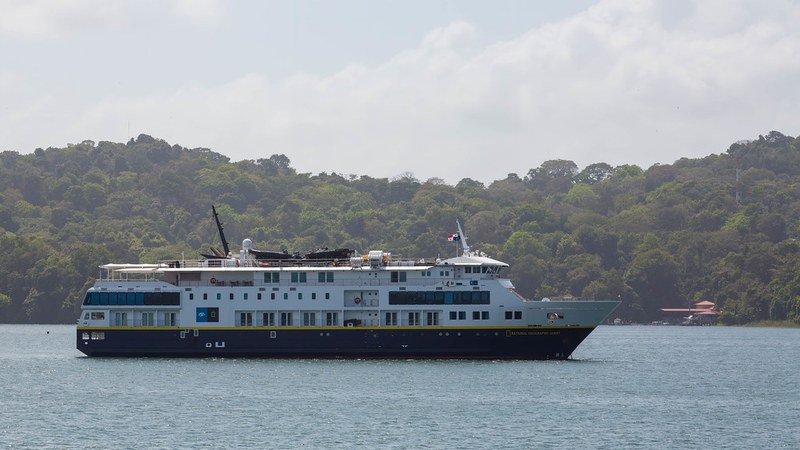
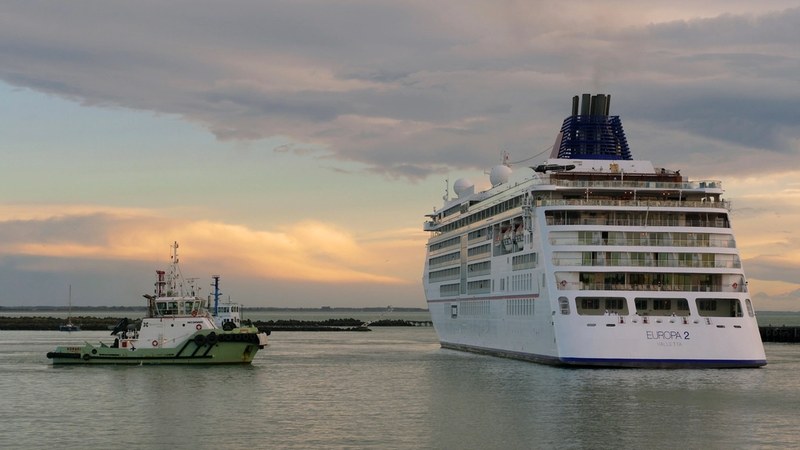
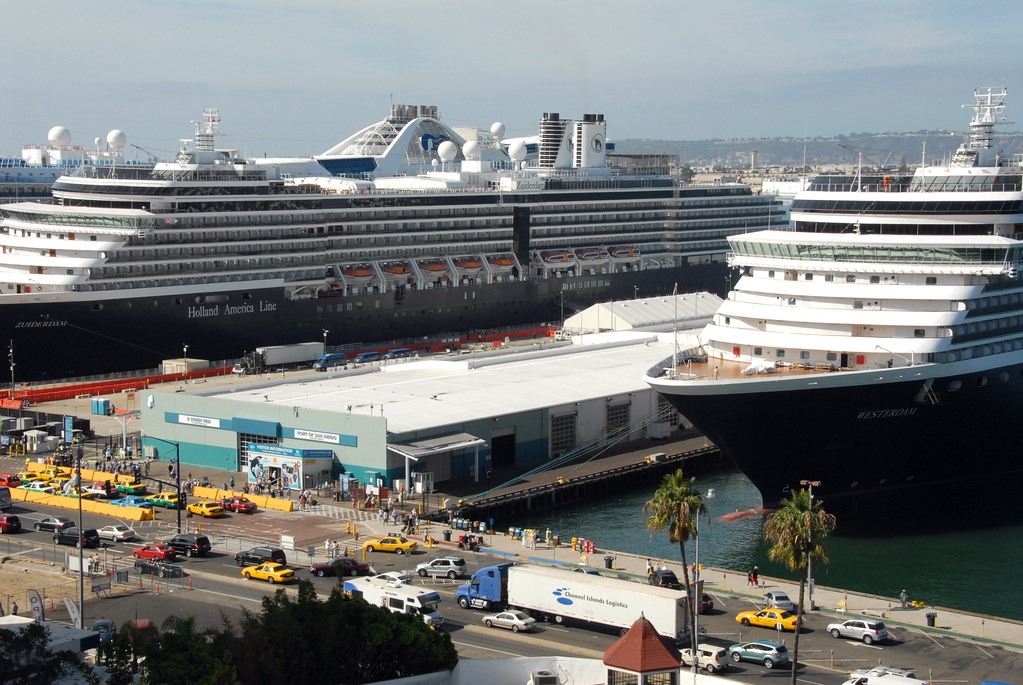
Recent developments have highlighted Rotterdam as a focal point in the response to a cruise ship exposed to hantavirus. The vessel has docked at one of Europe’s busiest ports, prompting local authorities to implement intensified health inspection protocols and thorough disinfection procedures. These actions aim to mitigate potential health risks and ensure the safety of passengers and crew alike.
Enhanced Health Inspection Measures at Rotterdam Port
The port of Rotterdam, as a major cruise gateway, maintains rigorous health and safety standards. In the wake of this incident, port health officials have raised the level of scrutiny applied to arriving cruise ships. Health officers are systematically conducting screenings
and enforcing disinfestation methods to prevent any potential viral transmission aboard cruise vessels.
This heightened vigilance complements the port’s ongoing commitment to public safety and aligns with broader European health directives related to infectious disease control.
Cruise Ship Disinfection Protocols: What Has Changed?
Disinfection has become a priority following the hantavirus exposure event. Cruise operators are collaborating closely with port health authorities to implement enhanced cleaning measures, including the use of EPA-approved disinfectants targeting viral pathogens. This includes deep sanitation of common areas, cabins, ventilation systems, and other high-touch surfaces onboard.
The emphasis on disinfection extends beyond standard procedures, reflecting an increased awareness of the role environmental
hygiene plays in preventing onboard outbreaks.
Implications for U.S. Travelers on International Cruises
For U.S. travelers planning cruises that include European ports such as Rotterdam, it is important to stay informed about evolving health protocols. The intensified inspections and disinfection efforts may affect embarkation schedules and port stays.
Moreover, travelers should anticipate increased health screenings, including possible temperature checks and health questionnaires, as part of boarding and disembarking routines. While these measures are precautionary, they underscore a trend toward enhanced global cruise travel safety standards.
What U.S. Travelers Should Monitor
Updates from cruise lines regarding itinerary adjustments or modified port procedures. Communications from public health authorities in both the United States and
European destination countries. Personal health assessments and adherence to recommended travel health guidelines prior to cruise departure.
Context Within Global Cruise Travel Safety Trends
This hantavirus-related event at Rotterdam underscores a broader focus on infectious disease prevention within the cruise industry. Following challenges posed by global health crises in recent years, ports and cruise operators worldwide have bolstered their health safety frameworks.
Enhanced disinfection protocols, improved ventilation systems, and more rigorous health screenings are becoming standard practice. These collective efforts aim to restore traveler confidence and promote safer cruise experiences on international itineraries.
The Role of European Ports in Health Security
European cruise ports like Rotterdam play a critical role in safeguarding both regional and
international passenger flows. By swiftly instituting health inspections and partnering with cruise companies, these ports contribute to minimizing public health risks.
This event highlights the importance of strong cooperation between port health services, international maritime authorities, and cruise lines, especially when managing potential disease exposures involving outbound or inbound passengers from diverse regions including the United States.
Advice for Industry Stakeholders and Cruise Passengers
Industry stakeholders, including cruise operators and travel advisors, should maintain transparent communication and provide timely health updates to customers. Educating passengers on preventive measures and expected procedures at affected ports will help streamline travel experiences.
Passengers are encouraged to consult official sources for
the latest information before embarking on cruises with European destinations. Staying aware of health advisories, vaccination recommendations, and port-specific protocols remains essential.