Flight Disruptions Escalate at Key U.S. Hubs
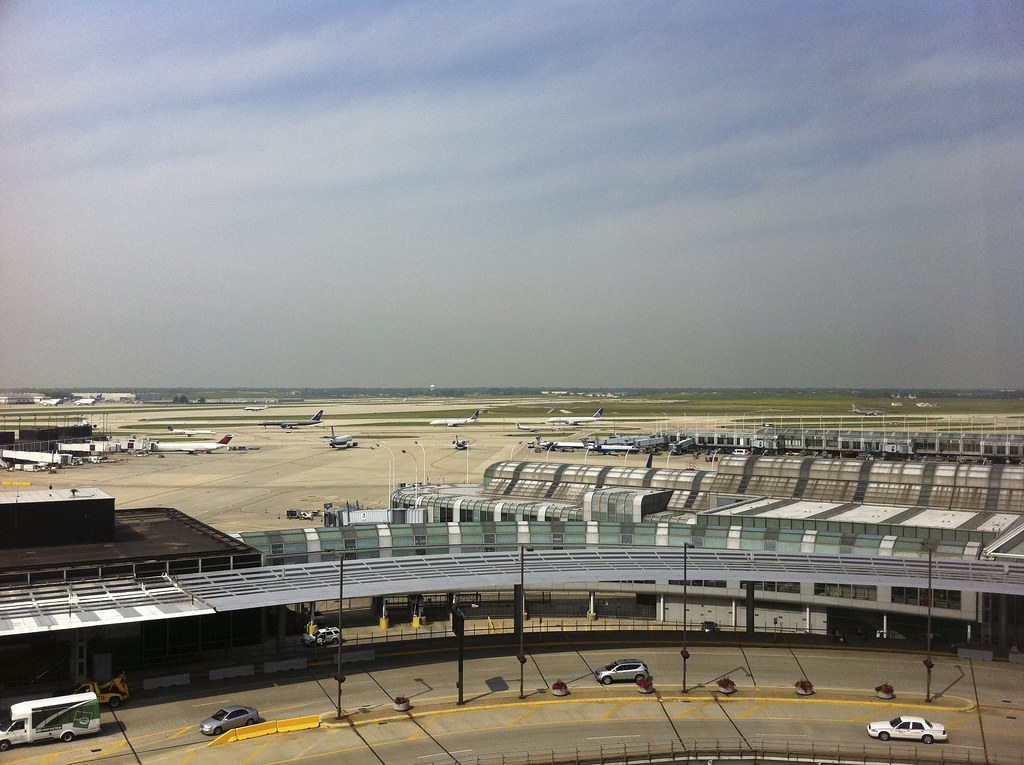
In the peak of summer travel, significant disruptions have been reported at several major U.S. airports. Chicago O’Hare International Airport, Hartsfield-Jackson Atlanta International Airport, and Los Angeles International Airport are currently experiencing a surge in flight delays and cancellations. This wave of operational setbacks is contributing to mounting challenges for travelers navigating the busy skies of the United States.
Multiple hundreds of flights have been affected, leaving thousands of passengers facing prolonged wait times and unexpected itinerary changes across these major hubs. Airlines operating through these airports are managing these difficulties amid complex operational demands and evolving travel conditions.
Major Airports Bearing the Brunt
Chicago
O’Hare, Atlanta, and Los Angeles serve as critical junctions in the U.S. aviation network, connecting travelers both domestically and internationally. The notable rise in flight delays at these airports reflects broad pressure points within the aviation infrastructure during this travel season.
Chicago O’Hare, traditionally one of the nation’s busiest airports, has encountered operational challenges that ripple throughout the national air traffic system. Similarly, Atlanta’s position as a primary hub for connecting flights means disruptions there can have wide-reaching consequences. Los Angeles, with its blend of domestic and international flights, is also experiencing significant operational slowdowns affecting passenger flows.
Implications for American Summer Travelers
Passengers planning
summer vacations or essential travels face a heightened risk of encountering late departures, last-minute cancellations, or missed connections. This environment necessitates careful planning and contingency preparations for those traveling through affected airports.
Such disruptions not only increase travel stress but may also cause adjustments to accommodations and ground transportation plans. Being aware of potential delays and keeping in close communication with airlines can help mitigate some of the travel inconveniences.
Analyzing the Factors Contributing to Disruptions
Several underlying factors contribute to the current surge in flight delays and cancellations. High passenger volumes during the summer months inherently increase demand on airport and airline resources. Additionally, operational
constraints including staffing shortages, air traffic control restrictions, and weather variability often compound scheduling reliability issues at key hubs.
The cumulative effect of these challenges manifests as increased delay rates compared to previous years, reaching levels approaching the highest decade figures observed in the U.S. aviation sector. While individual causes vary, the interconnected nature of airport operations means disturbances in one location frequently affect others across the country.
What Passengers Should Consider Amid Ongoing Disruptions
Travelers passing through Chicago O’Hare, Atlanta, and Los Angeles airports during the summer are encouraged to remain proactive. Monitoring flight status frequently, allowing extra time for check-in and security, and having backup
plans for transportation and accommodations can reduce the negative impact of travel interruptions.
Engaging with airline customer service early can assist in exploring alternative flight options or rebooking flights as needed. Given the scale of disruptions, patience and preparedness will be critical assets for travelers navigating this period.