FIFA World Cup 2026 Set to Transform Travel Patterns in North America
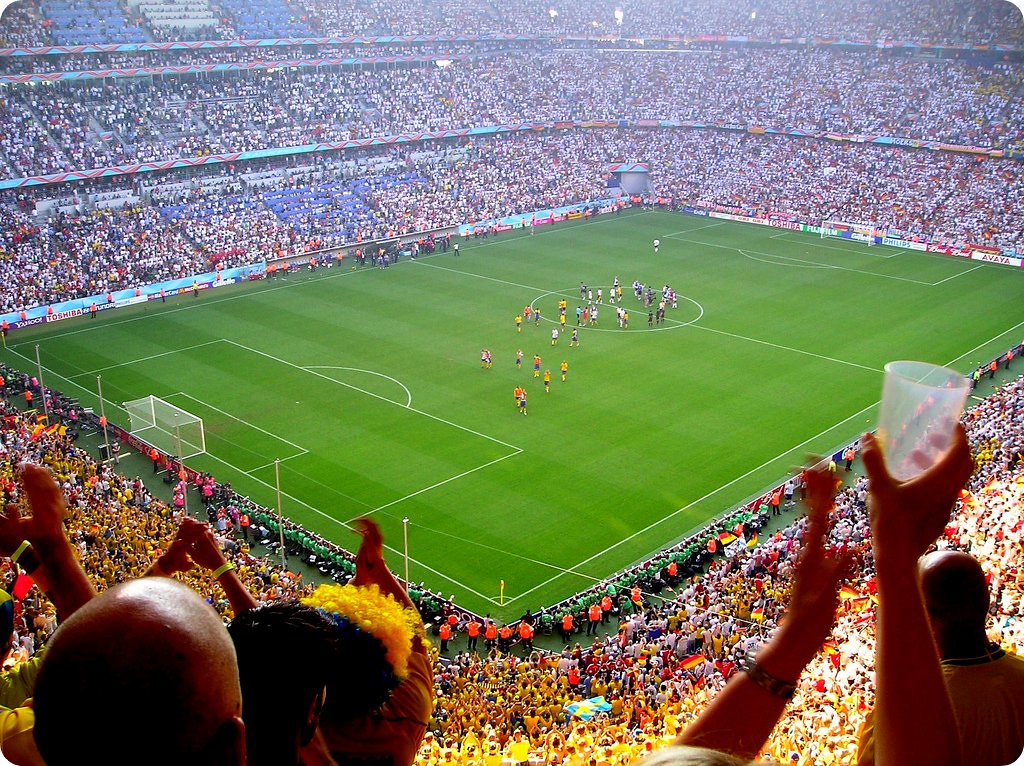
The upcoming FIFA World Cup 2026, jointly hosted by the United States, Canada, and Mexico, is projected to drive a substantial increase in tourism across the host nations. Both the United States and Canada are anticipated to experience heightened demand as international travelers and soccer fans converge to witness this globally significant sporting event.
This joint hosting effort marks one of the largest international sporting events ever scheduled on North American soil, promising not only to enhance visitor volumes but also to reshape seasonal and regional travel trends. The influx is expected to extend beyond stadium locales, influencing broader tourism
sectors including hospitality, transportation infrastructure, and local attractions.
Impact on United States Tourism and Infrastructure
The United States is preparing for considerable effects on its tourism industry due to the anticipated visitor surge. Cities hosting World Cup matches are investing in upgrading transportation networks, accommodations, and urban facilities to accommodate the influx and ensure smooth visitor experiences.
Alongside this, the tourism sector anticipates increased bookings, particularly in urban centers with major stadiums. This expanding demand could present challenges such as higher pricing and potential capacity constraints, encouraging travelers within the United States to plan their trips early to avoid disruptions.
Travelers should be aware that the heightened
volume may lead to busy airports, congested roadways, and elevated hotel occupancy rates. Those considering travel during the World Cup period might benefit from flexible itineraries and early reservations to navigate the increased activity effectively.
Canada’s Role in the Broader North American Travel Surge
Canada, co-hosting several matches during the FIFA World Cup 2026, is expected to see a notable boost in international arrivals. The country’s tourism sector is preparing for this spike, with anticipated economic benefits driven by visitors attending games and related events.
Tourism authorities are emphasizing the role of major Canadian cities as gateways for visitors, supporting local hospitality sectors and cultural experiences. This influx also
is likely to encourage exploration beyond traditional tourist hubs, contributing to wider regional economic stimulation throughout Canada.
Route 66 Celebrations Adding a Unique Cultural Dimension
In addition to the effects of the World Cup itself, the historic Route 66 corridor is expected to experience increased attention and visitor traffic. Celebrations and events related to Route 66 are anticipated to complement the World Cup timeline, offering travelers an immersive cultural and road trip experience across the United States.
Such festivities along the famed highway encourage travelers to explore iconic Americana landmarks, boosting regional tourism outside the typical metropolitan World Cup hotspots. This trend highlights a unique intersection of international
sports tourism and domestic heritage travel, both contributing to evolving visitor patterns.
Businesses along Route 66 stand to gain from this convergence, with opportunities for enhanced visibility and visitor engagement throughout the duration of the World Cup activities.
The combined factors of a major international sporting event and cultural celebrations along Route 66 illustrate how multifaceted travel trends are expected to evolve in 2026, reshaping tourism demand and preferences across North America.
Travel Planning Considerations for Visitors and Local Travelers
Given the anticipated travel volume associated with FIFA World Cup 2026 events and Route 66 activities, it is advisable for travelers to prepare well in advance. Securing accommodations,
transportation, and event tickets early will be essential to avoid potential scheduling conflicts or shortages resulting from heightened demand.
Domestic travelers within the United States should also be mindful of possible increased congestion in major event cities, as well as along popular travel corridors such as Route 66. Adjusting travel dates or exploring alternative routes may assist in reducing inconveniences during peak periods.
Tourism businesses and service providers are positioned to benefit economically, but they also face operational challenges in managing peak workloads. Collaboration between public and private sectors will likely continue to focus on optimizing infrastructure and visitor experiences
as the event approaches.
The FIFA World Cup 2026 stands poised to leave a lasting imprint on North American tourism patterns. As the U.S. and Canada accommodate this unprecedented travel surge, both visitors and industry stakeholders will navigate a dynamic period characterized by robust demand and expanded cultural engagement opportunities.