Rotterdam Docking Highlights Emerging Global Health Concerns
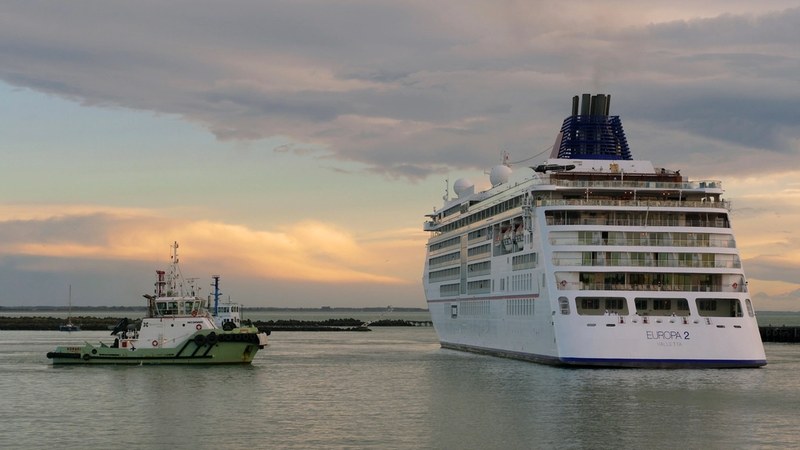
A cruise ship linked to a recent hantavirus exposure has docked in Rotterdam, the Netherlands, initiating intensified health and sanitation measures at the port. This incident has drawn international attention amid growing concerns over infectious disease transmission in maritime travel settings.
Global health authorities have responded with alerts emphasizing the potential risks aboard cruise vessels and the need for rigorous sanitation standards. The Rotterdam docking comes at a crucial time when the cruise industry is navigating ongoing challenges related to passenger safety in a post-pandemic environment.
Such occurrences underscore the complexities faced by global ports and cruise operators in managing
health incidents that may impact travelers from multiple countries, including the United States.
Advances in Cruise Ship Disinfection Protocols Following Incident
This docking has accelerated discussions and implementation of enhanced disinfection protocols across international cruise terminals. While specific procedures employed on the Rotterdam docked ship remain undisclosed, the event has reportedly reinforced the adoption of more stringent cleaning regimens for cruise vessels worldwide.
Port authorities in Rotterdam worked closely with health agencies to ensure thorough sanitation of affected decks and facilities, supporting efforts to contain potential viral spread. The step-by-step measures, while confidential, align with increased global emphasis on environmental hygiene in maritime travel.
Beyond the immediate disinfection
efforts, maritime health officials are re-evaluating existing guidelines and protocols to bolster preventive approaches, ensuring passenger and crew safety remains a top priority amid evolving microbe transmission threats.
Implications for U.S. Travelers Considering International Cruises
For American travelers, this development serves as a reminder of evolving health considerations when embarking on cruises abroad. U.S. health monitoring agencies have heightened surveillance following the incident, aiming to detect and manage any related cases swiftly.
Travelers planning upcoming cruise vacations should remain informed about updated health advisories issued by both U.S. and international authorities. Enhanced cleaning protocols and port-specific health measures may now influence itineraries and on-board experiences.
While definitive
travel restrictions from U.S. government bodies have not been announced concerning this issue, prudent precautions remain advisable. This includes reviewing cruise line health policies, staying alert for updates on global health alerts, and maintaining good hygiene practices throughout travel.
Navigating Cruise Travel Amid Heightened Health Awareness
The Rotterdam docking incident has underscored the integral role of health safety preparedness in the cruise industry’s ongoing recovery. For passengers, understanding how cruise operators and ports address potential infectious exposures is essential to making informed travel decisions.
Industry experts suggest that the incident may catalyze broader adoption of innovative sanitization technologies and collaboration between health authorities worldwide. For U.S. travelers,
awareness of these evolving sanitary measures can contribute to increased confidence when booking cruises that visit international ports.
Ultimately, this episode further illustrates the interconnected nature of global travel health security and the importance of vigilance in mitigating risks on cruise journeys. Travelers are encouraged to monitor official channels for updates and comply with recommended health practices to enhance their safety while exploring new destinations.