Overview of Hantavirus Concerns on Cruise Ships
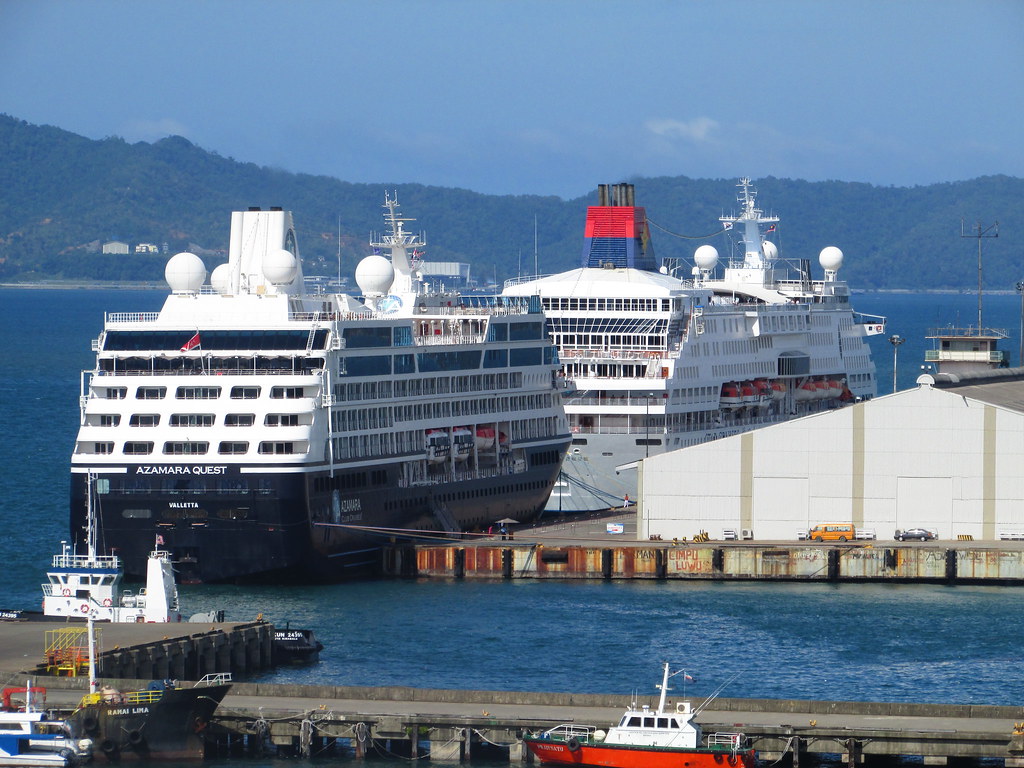
Recent reports highlight that several cruise ships affected by hantavirus outbreaks are docking at the Rotterdam Port for extensive disinfection procedures. This development has significant implications for the cruise industry, particularly for American passengers embarking on expedition cruises.
Hantavirus, a rare but serious illness transmitted through rodent droppings and urine, poses particular challenges in enclosed environments like cruise ships where rapid containment and sanitation are vital to prevent disease spread.
Rotterdam Port’s Central Role in Cruise Ship Disinfection
As one of Europe’s largest and most strategically important maritime hubs, Rotterdam Port is playing a crucial role in managing health risks associated with the outbreak. Cruise vessels identified with
hantavirus transmission risk are subject to rigorous cleaning and sanitization while docked at the port.
This approach includes implementing ship disinfection protocols designed to reduce contamination and support safe resumption of voyage schedules. Rotterdam’s well-established maritime infrastructure facilitates these operations efficiently, underscoring the port’s expanding role in addressing emerging infectious disease challenges onboard ships.
Impacts on U.S. Expedition Travelers
American expedition cruise travelers may face adjustments due to these health precaution measures. Itinerary changes, extended docking times for disinfection, and enhanced health screening procedures might affect travel plans as these vessels seek clearance to proceed.
While detailed protocols for U.S. travelers are evolving, it is
advisable for passengers to remain informed through cruise operators and travel agencies to understand potential itinerary modifications resulting from disinfection efforts and port health requirements.
Onboard Health and Safety Measures Amid Hantavirus Concerns
Cruise lines are intensifying onboard sanitation standards to mitigate hantavirus risks. This includes frequent cleaning of public areas, cabins, and air filtration systems, alongside medical assessments upon embarkation and during the cruise.
Effective rodent control and prevention is a key aspect of ongoing operational protocols, particularly on expedition cruises which often visit less developed regions where wildlife interaction is more common. Travelers may notice heightened health safety practices designed to safeguard both passengers and crew.
Rotterdam Port and the Broader Cruise Industry Health Environment
Rotterdam’s engagement in these disinfection activities reflects a broader trend within the global cruise sector to strengthen infectious disease response capabilities. Experiences from recent outbreaks have prompted ports worldwide to upgrade infrastructure and protocols addressing shipboard health threats.
For expedition cruises operating on international itineraries, such enhanced port collaboration is vital to maintaining safe, uninterrupted operations while protecting traveler health and wellbeing.
Wider Considerations for Expedition Cruising Under Health Alerts
Travelers pursuing expedition cruise experiences are encouraged to consider health advisories and prepare accordingly. Keeping abreast of port actions like those in Rotterdam and following guidance from cruise operators can assist in adapting to evolving health situations.
Planning
flexibility and understanding potential implications on scheduling can help ensure a smoother travel experience despite uncertainties posed by outbreaks requiring ship disinfection.
Forward Outlook for the U.S. Cruise Market Amid Health Precautions
The current hantavirus outbreak and related disinfection measures at Rotterdam illustrate ongoing challenges and responses in the cruise sector. For U.S. expedition travelers, this signals the need for vigilance and updated information on evolving health protocols.
Industry stakeholders are likely to continue enhancing health safety regulations and crisis management strategies to protect passengers, preserve confidence in cruise travel, and maintain port cooperation worldwide.