Ongoing Flight Disruptions Impact Key US Airports
In 2026, several prominent US airports have experienced a notable rise in flight delays and cancellations. Airports such as Austin-Bergstrom, Newark Liberty International, Minneapolis-St. Paul International, and Philadelphia International have reported frequent disruptions, contributing to challenging conditions for American travelers. This pattern reflects broader issues currently facing the airline industry, with multiple major carriers affected.
Leading US carriers including Southwest Airlines, United Airlines, American Airlines, Delta Air Lines, and JetBlue Airways have been implicated in the reported operational difficulties. While the precise causes of individual delays and cancellations remain under investigation, the increased volume of disrupted flights indicates persistent systemic
challenges.
Technology and Operational Pressures Underpinning Airline Delays
Observers have pointed to ongoing operational challenges confronting US airlines in 2026 as a critical factor in the widespread flight disruptions. Airlines continually grapple with integrating evolving technology systems, managing crew scheduling, and responding to dynamic weather and airspace conditions. These complexities can cascade into delays and cancellations, straining airport infrastructure and passenger flow.
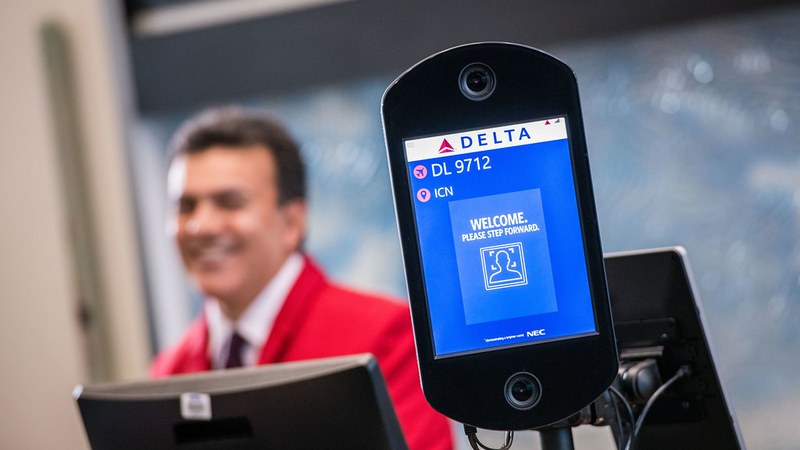
Technology remains a key focus, as many carriers seek to upgrade and harmonize reservation, dispatch, and traffic management systems. Such transitions, while aimed at long-term improvement, may contribute to intermittent disruptions during implementation phases. Additionally, the interplay between airport operations and airline scheduling has become
increasingly complex, amplifying the risk of cascading delays.
Passenger Experience Amid Increased Travel Uncertainty
For travelers navigating the current environment, the increased incidence of flight delays and cancellations has tangible impacts on itineraries and airport experiences. Passengers at major hubs have encountered longer wait times and uncertainty over connections, with disruptions often affecting tight schedules.
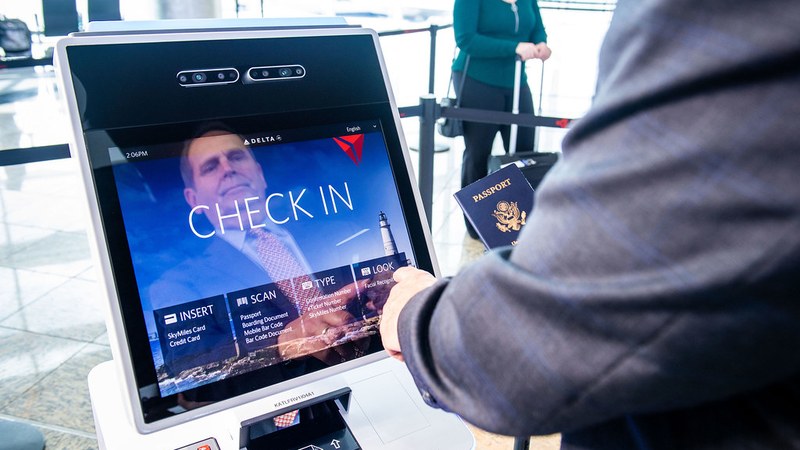
Travelers departing from or connecting through affected airports should anticipate potential adjustments to their plans and allow extra time for check-in, security screening, and possible rebooking. Airlines continue to work toward minimizing inconvenience, though the scale of operational challenges underscores the need for proactive trip management.
Experts recommend signing up for
real-time flight alerts and maintaining contact with carriers for the latest updates. Flexibility in travel plans and awareness of airport conditions remain essential for mitigating the impact of ongoing delays and cancellations.
Industry Responses and Outlook for the Coming Months
US airlines and airport authorities have acknowledged the difficulties inherent in sustaining on-time performance amid rising demand and operational complexities. Efforts to enhance technological capabilities and optimize staffing are ongoing, with the goal of stabilizing service levels throughout 2026.
While the current situation presents immediate hurdles for travelers, industry stakeholders emphasize continued commitment to improving efficiency and reliability. Monitoring developments in airline operational strategies will be critical to
understanding how disruption patterns evolve in the months ahead.
As the US aviation system adapts to these persistent challenges, passengers can expect continued variability in flight schedules at major airports. Preparedness and patience remain valuable tools for navigating the travel landscape in this period.