On July 11, 2026, European air travel faced significant disruption with 74 flights cancelled and approximately 1,840 delayed across multiple countries including Italy, Austria, France, the United Kingdom, Poland, Germany, the Netherlands, and Denmark. The largest operational impact occurred at Paris Charles de Gaulle Airport, which reported 328 delayed flights and 5 cancellations. Key hubs in Amsterdam, London, Frankfurt, Munich, Milan, Vienna, Warsaw, Copenhagen, Krakow, and Olbia also reported extensive delays and cancellations.
Major Airport Disruptions Across Europe
Paris Charles de Gaulle experienced the highest number of delays today, with 328 flights postponed and 5 cancelled. Amsterdam Schiphol recorded the highest cancellation count among affected
airports with 23 cancellations alongside 274 delays. London Heathrow followed closely with 287 delayed flights and 15 cancellations. Frankfurt Airport had 220 delays and 8 cancellations, while Milan Malpensa saw 165 delays and 2 cancellations. Munich Airport recorded 146 delays and 6 cancellations. Vienna International Airport reported 131 delays and 5 cancellations, and Warsaw Chopin Airport had 106 delays with no cancellations. Copenhagen Airport reported 78 delays and 1 cancellation, and Krakow Airport recorded 47 delays and 3 cancellations.
Airlines Most Affected by Delays and Cancellations
British Airways faced the greatest operational disruption today, with 194 flights delayed and 11 cancelled, primarily at London Heathrow. Air France
accounted for 186 delays and 2 cancellations, mostly at Paris Charles de Gaulle. Lufthansa reported 149 delays and 9 cancellations, mainly operating through Frankfurt and Munich airports. KLM experienced 135 delays and 15 cancellations, predominantly at Amsterdam Schiphol. EasyJet registered 127 delays and 2 cancellations, most notably at Milan Malpensa and Olbia. LOT Polish Airlines reported 67 delayed flights across Warsaw Chopin and Krakow, while Austrian Airlines faced 58 delays and 4 cancellations at Vienna International. Ryanair had 48 delayed flights spread between Copenhagen, Vienna, Milan, Warsaw, and Krakow, with no cancellations recorded today.
Operational Factors Behind the Disruption
The widespread delays and cancellations are
attributed to a variety of operational challenges rather than a single event. These include aircraft rotation schedules, crew availability, maintenance demands, airport congestion, and air traffic management constraints. Due to the interconnected nature of Europe’s major airline hubs, delays at one airport quickly propagate through networks, impacting flights across multiple countries throughout the day. The pressure on busy airports handling large volumes of passengers intensifies the sensitivity to operational disruptions.
Traveler Impact and Network Interconnectedness
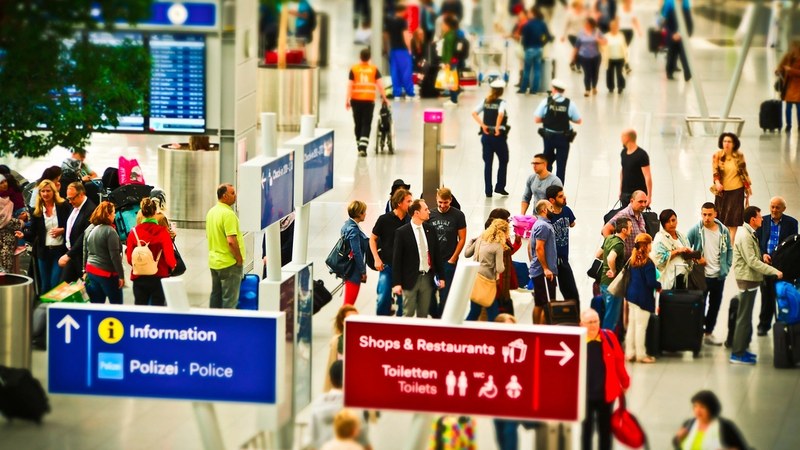
Thousands of passengers are experiencing extended wait times and missed connections as airlines adjust schedules to manage the disruption. Flight operations remain fluid, and travelers should monitor updated flight information
closely as timings and cancellations may continue to be revised during the day. Key airport hubs affected include Paris Charles de Gaulle, London Heathrow, Amsterdam Schiphol, Frankfurt, Munich, Milan Malpensa, Vienna International, and Warsaw Chopin, reflecting the extensive interdependence within Europe’s aviation system. Airlines such as British Airways, Air France, Lufthansa, KLM, easyJet, LOT Polish Airlines, and Ryanair are managing significant operational loads.