A total of 172 flights were cancelled and 3,189 delayed across multiple states in the United States on July 11, 2026, continuing the operational disruptions caused by thunderstorms earlier in the week. Major airlines including American Airlines, JetBlue, Delta Air Lines, United Airlines, and regional carriers experienced considerable delays and cancellations. Several key airports saw large-scale disruptions as airlines worked to recover from prior weather-related scheduling issues.
Major US Airlines See Substantial Delays and Cancellations
American Airlines posted the highest delay count among major carriers with 522 delays and 17 cancellations on July 11. JetBlue registered 42 cancellations—the highest cancellation number for any airline that day—alongside 179 delays.
Delta Air Lines dealt with 360 delayed flights and 28 cancellations, while United Airlines recorded 215 delays and 7 cancellations. SkyWest Airlines reported 158 delays and 2 cancellations, PSA Airlines (a regional operator for American Airlines) had 120 delays and 22 cancellations, and Endeavor Air (operating for Delta) logged 116 delays and 2 cancellations. Tradewind Airlines registered 8 cancellations without delays.
Key Airports Affected by Weather-Related Disruptions
Hartsfield-Jackson Atlanta Airport in Georgia registered the most delays nationwide, with 294 delayed flights and 20 cancellations, marking it as the busiest hub for disruptions on July 11. New York’s John F. Kennedy Airport had the highest cancellation count
among airports, reporting 35 cancellations alongside 170 delays. Boston Logan Airport in Massachusetts experienced 288 delays and 16 cancellations, and Dallas-Fort Worth Airport recorded 262 delays with 12 cancellations. Charlotte Douglas Airport endured 180 delays and 16 cancellations. Philadelphia Airport accounted for 120 delays and 9 cancellations, while Orlando Airport reported 117 delays and 8 cancellations. Reagan National Airport in Virginia had 123 delays and 11 cancellations. LaGuardia Airport saw 119 delays and 10 cancellations. Phoenix Sky Harbor Airport in Arizona faced 87 delays and 4 cancellations, and Louis Armstrong New Orleans Airport registered 31 delays and 1 cancellation.
Operational Causes Rooted in Thunderstorm Effects
The
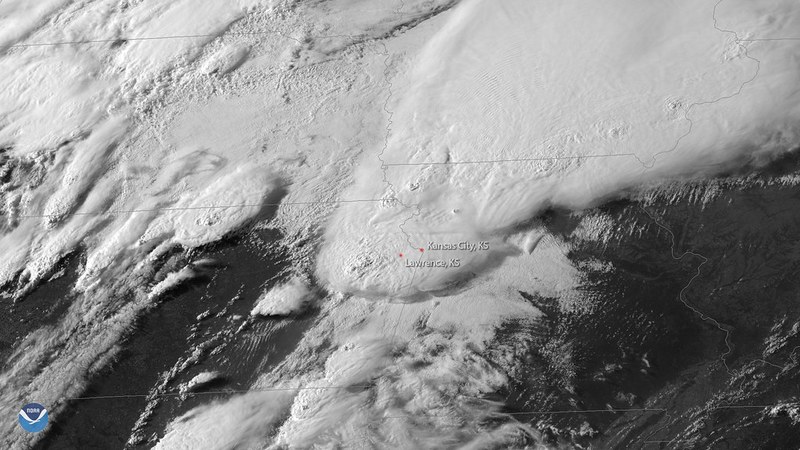
ongoing disruptions on July 11 stem from widespread thunderstorms that occurred on the previous Friday, which severely affected airline schedules and airport operations. The storms forced airlines to delay departures, cancel flights, reroute aircraft, and temporarily restrict traffic at major airports. These conditions left numerous aircraft and crews displaced overnight, creating challenges in restoring normal rotations and on-time departures. Delayed aircraft and crew rotations, combined with congested schedules, continued to impact flights across multiple states including Arizona, Florida, Georgia, Louisiana, New York, Massachusetts, Texas, North Carolina, Pennsylvania, and Virginia.
Traveler Impact Amid Summer Travel and Ongoing Recovery
Travelers using services from American Airlines, Delta, JetBlue, United, SkyWest, and
PSA Airlines experienced widespread cancellations and delays on routes connecting southern and northeastern US regions. Passengers transiting through major hubs such as Hartsfield-Jackson Atlanta Airport, John F. Kennedy Airport, Boston Logan, Dallas-Fort Worth, Charlotte Douglas, Philadelphia, Orlando, Reagan National, and LaGuardia airports faced prolonged disruptions. These operational challenges occurred during the peak summer travel period, affecting flights on routes within and between the Southeast, New York metropolitan area, Desert Southwest, and South-Central states.
Additional Weather Threatens to Prolong Disruptions
Weather forecasts for July 12 indicate scattered thunderstorms across the southern and central United States, spanning the Desert Southwest, Southeast, South-Central states, Mid-Atlantic region, and Upper Midwest.
Severe weather remains a concern, with potential damaging winds, hail, and isolated tornadoes forecasted in the Southeast. These conditions could cause further flight cancellations and delays, complicating efforts by airlines to normalize operations following the previous disruptions.
National Flight Network Challenges from Localized Disruptions
The interconnected nature of US air travel hubs means that disruptions at major airports like Atlanta, JFK, Boston Logan, Dallas-Fort Worth, and Charlotte Douglas have ripple effects across the national network. Delayed flights, crew shortages, and aircraft mispositioning contribute to cascading delays and cancellations nationwide. The clustering of delays and cancellations at these hubs further pressures airline schedules, making recovery slower and increasing
passenger wait times on affected routes.