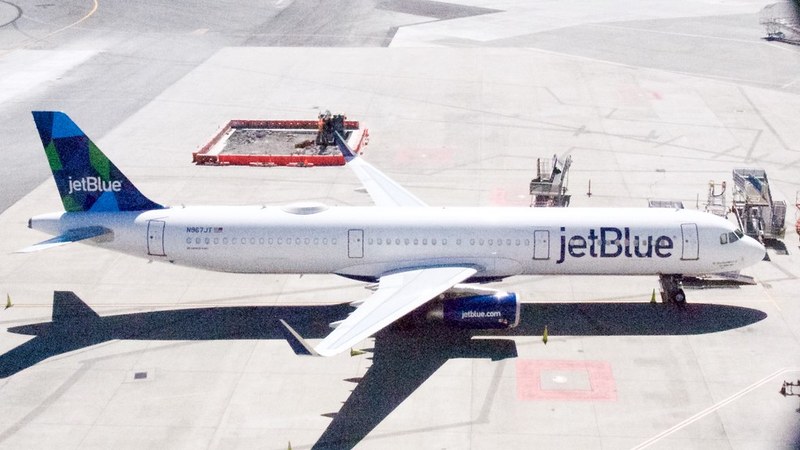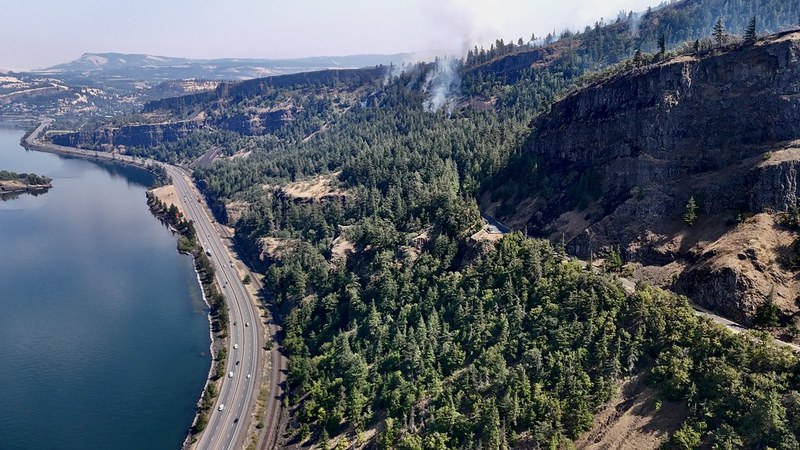
Smoke from hundreds of uncontrolled wildfires in Canada blanketed the U.S. Midwest and Northeast on July 15, 2026, reducing air quality and disrupting air travel. An estimated 100 million Americans were exposed to unhealthy air conditions as major airports including Detroit Metropolitan Wayne County, Buffalo Niagara International, Chicago O’Hare, and Toronto Pearson International faced extensive flight delays and cancellations.
Aircraft operations were severely impacted due to wildfire smoke particles affecting onboard navigation systems. The Federal Aviation Administration (FAA) confirmed that PM2.5 fine particulate matter from the smoke interferes with aircraft navigation more than rain or fog, forcing air traffic control
to increase spacing between planes and slow the rate of takeoffs and landings.
Visibility on final approaches plummeted, particularly at airports with east-west runway layouts, where pilots struggled with nearly zero forward visibility when flying into low sun through dense smoke layers. Delays cascaded across the region, with disruptions at Detroit causing knock-on effects on connecting flights as far east as Philadelphia.
Record Air Quality Levels and Heat in Toronto
Toronto recorded the worst air quality of any major city worldwide at 8 a.m. ET on July 15, 2026, according to IQAir. The city was experiencing a heat emergency, with temperatures ranging from 33°C to 36°C and humidex
values rising to 42°C. Environment Canada issued an orange-level severe air quality alert for Ontario, warning that smoke from Northwestern Ontario wildfires reduced visibility and posed health risks to all individuals outdoors.
Wildfire activity across Canada has been exceptional this season. By July 9, over 3,100 fires had burned approximately 1.4 million hectares, exceeding the 10-year average burned area by 134%. As of that date, 194 fires remained out of control nationwide. The Canadian Interagency Forest Fire Centre elevated wildfire readiness to National Preparedness Level 4, mobilizing firefighters and equipment across multiple provinces.
Event and Public Health Responses in Toronto and Surrounding Areas
In response to the smoke and heat,
the City of Toronto canceled its FIFA World Cup semi-final events on July 15, including the Fan Festival at Fort York and the public broadcast at Nathan Phillips Square. The City of Vaughan also called off its Canada Celebrates FIFA event, and the University of Toronto canceled its watch party. Niagara Falls suspended its nightly fireworks program until air quality improves.
The City of Toronto additionally closed all outdoor wading pools, canceled morning swimming lessons, and moved outdoor summer CampTO programs indoors due to health concerns. City officials noted these cancellations prioritized the safety of attendees, emergency personnel, volunteers, and
staff exposed to prolonged smoke.
Health authorities across the Great Lakes and Northeast states issued warnings. Michigan’s Department of Environment, Great Lakes, and Energy forecasted air quality reaching “Unhealthy for Sensitive Groups” statewide on July 15, with northern regions potentially reaching “Unhealthy” levels. Minnesota, Wisconsin, and New York State also issued air quality advisories. New York City’s Office of Emergency Management monitored the smoke plume, stating that PM2.5 particle levels were expected to remain below advisory triggers but could change.
Health Risks and Protective Measures
Wildfire smoke contains PM2.5 particles small enough to penetrate deep into the lungs and bloodstream. These particles increase risks of
respiratory and cardiovascular events. Research indicates wildfire smoke causes higher rates of hospitalization per unit exposure compared to urban pollution. Vulnerable populations such as the elderly, low-income communities, and people of color bear disproportionate effects due to limited access to air quality protection like air conditioning and respirator masks.
Experts recommend wearing properly fitted N95 or KN95 respirators outdoors, as cloth or surgical masks do not filter PM2.5 particles effectively. Dr. Eric Kennedy, associate professor at York University, emphasized the need for respirator-type masks to mitigate health effects. Environment Canada urged residents to keep windows closed and limit outdoor activities
during the severe air quality alert.
Travelers at airports in Detroit, Chicago, Buffalo, and Toronto faced delays resulting from navigation challenges imposed by wildfire smoke. Those planning regional or connecting flights experienced extensive schedule disruptions due to decreased airport throughput.