WestJet continues to experience flight cancellations and delays on August 8, 2026, as the airline works through recovery efforts following a disruptive cabin-crew strike earlier this week. A tentative contract agreement between WestJet and the union representing about 4,400 flight attendants, CUPE Local 8125, ended several days of strike action that had caused widespread schedule disruptions across Canada and on international routes.
Aircraft and Crew Repositioning Underway to Restore Operations
WestJet is actively repositioning aircraft and crews at its primary hubs including Calgary, Edmonton, Vancouver, and Toronto airports. This effort addresses imbalances created during the strike, with aircraft requiring ferry flights back to hub airports and crews needing
rosters rebuilt to meet regulatory duty-time limits. Sources indicate that longer-haul and leisure routes remain disproportionately affected, while domestic flights between major Canadian cities are showing faster recovery.
Flexible Change and Cancellation Policies Remain in Effect
The airline maintains a flexible travel change and cancellation policy implemented before the strike to allow passengers to adjust their plans without fees. WestJet stated this policy aims to “provide guests with greater flexibility and confidence in their upcoming travel plans.” CUPE Local 8125 president Alia Hussain acknowledged that this flexibility has helped reassure customers amid the uncertainty caused by the dispute. Passengers affected by cancellations remain eligible for refunds or alternate
travel options under Canadian air passenger protection rules, provided they retain relevant documentation.
Passengers Face Continued Disruptions and Customer Service Backlogs
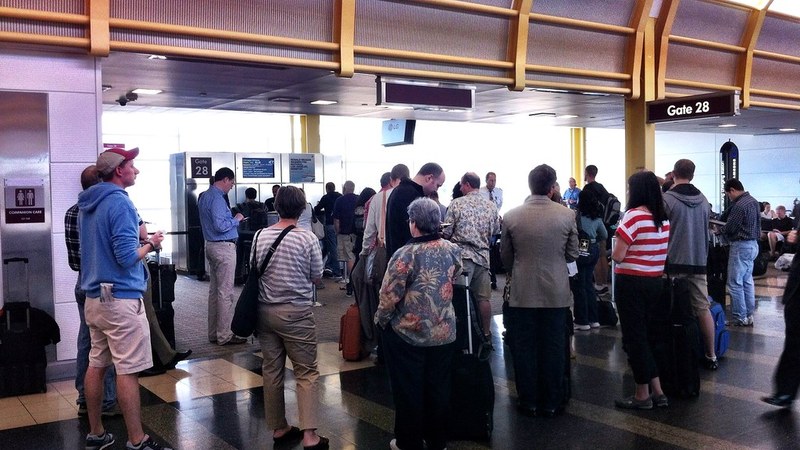
Despite the strike’s end, travelers are reporting delays, last-minute aircraft substitutions, and cancellations, especially on longer international and transcontinental flights. Public reports describe busy airport check-in counters and overwhelmed call centers as staff work to manage the backlog of rebookings generated during the strike days. Passengers are advised to monitor flight status due to the ongoing potential for schedule changes at the major WestJet hubs.
Strike Origin and Industry Context
The strike was triggered by a breakdown in contract negotiations concerning pay and compensation for ground duties performed by flight attendants. CUPE
Local 8125 members voted overwhelmingly in July 2026 to authorize strike action, which began shortly before August 8 and lasted several days. This labor dispute was shorter than the mechanics’ strike that disrupted WestJet operations in 2024 but followed a similar pattern of initial widespread cancellations and gradual service restoration. Industry experts note these recurring disruptions reflect ongoing tensions over workload and compensation issues in Canadian aviation labor relations.