WestJet cancelled over 300 flights on Monday, August 3, 2026, representing about 62% of its scheduled departures due to a one-day strike by flight attendants represented by the Canadian Union of Public Employees (CUPE) 8125. As of 11 a.m. Eastern time on Tuesday, August 4, 2026, 16 WestJet flights remained cancelled. The strike ended after a tentative agreement between WestJet and CUPE 8125 was reached, with attendants set to return to work.
Passenger Disruptions in Canada and Overseas
Passengers faced continued challenges rebooking and arranging accommodations following cancellations. Marsha Manuel, from Miramichi, New Brunswick, reported her WestJet flight from Lisbon, Portugal, to Miramichi was cancelled with
a delayed rebooking response and no hotel or meal vouchers provided. Manuel said, “We were scheduled to leave this morning at 6:30. We received an email yesterday advising our flight was cancelled and that we’d be rebooked within two hours — that didn’t happen.” Groups of Scouts from New Brunswick, including Ryan O’Keefe near Quispamsis and Kevin Gleeton from Rothesay, were stranded in Copenhagen, Denmark, unable to secure timely return flights after cancellations.
WestJet Recovery Efforts and Flexible Policies
WestJet confirmed it is entering a recovery phase after the strike. The airline began resuming operations but warned the impact would persist as it works to restore
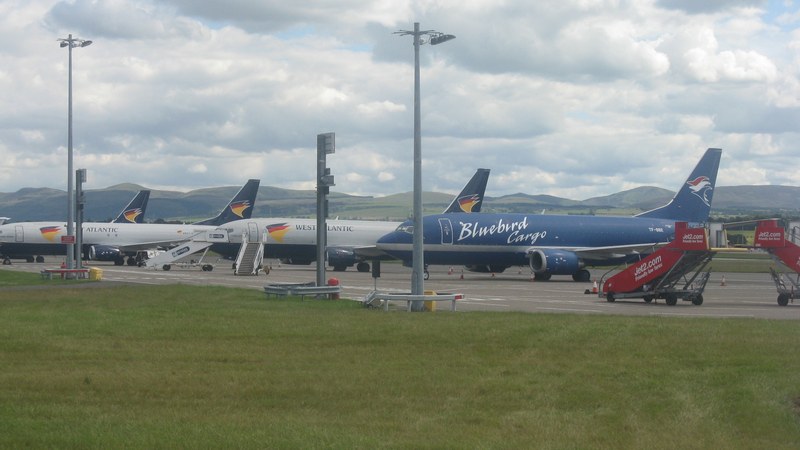
its flight schedule. A spokesperson said, “Flights have begun to operate; however, the impacts of the disruption continue as the airline works to restore its network.” WestJet extended a flexible cancellation policy to flights scheduled up to and including August 6, 2026, allowing customers to make a one-time change or cancellation without fees if done at least two hours before departure. The airline placed an unknown number of Boeing 737 aircraft into storage ahead of the strike to mitigate disruption effects.
Passenger Rights Under Canadian Regulations
The Canadian Transportation Agency (CTA) administers the Air Passenger Protection Regulations (APPR), which apply to cancellations and delays. Labour
disruptions such as strikes are classified as outside the airline’s control, limiting passengers’ entitlement to cash compensation. WestJet is required to offer alternative travel arrangements within 48 hours or provide refunds to affected customers. The airline is also obligated to provide meal vouchers and accommodations when delays exceed three hours. Passengers who cancel and rebook flights independently risk forfeiting these regulatory protections.
Expert Analysis on Recovery Timeline
John Gradek, an aviation management expert at McGill University, observed that airline recovery post-strike is complex. He explained, “Restarting an airline is nothing like flipping a switch. Aircraft and crews were repositioned across Canada and overseas, and positioning
them back to scheduled routes takes days, not hours.” Gradek projected normal flight operations might resume around Friday or Saturday, August 7-8, with backlog clearance possibly taking up to 10 days due to peak summer demand. He advised passengers not to cancel and rebook independently, stating, “Wait for WestJet’s rebooking notice, but keep every receipt.” Gradek estimated over 300,000 passengers were affected by strike-related cancellations and recovery disruptions.
Ongoing Passenger Guidance
WestJet urges passengers to frequently check flight status before traveling to the airport due to possible last-minute changes. Travelers can modify or cancel flights for free if changes are made at least
two hours before departure under the airline’s extended policy valid through August 6, 2026. The airline maintains it will refund or reaccommodate customers impacted by cancellations related to the strike. Passengers seeking compensation or assistance should retain receipts for costs such as meals or accommodations incurred due to delays or cancellations.