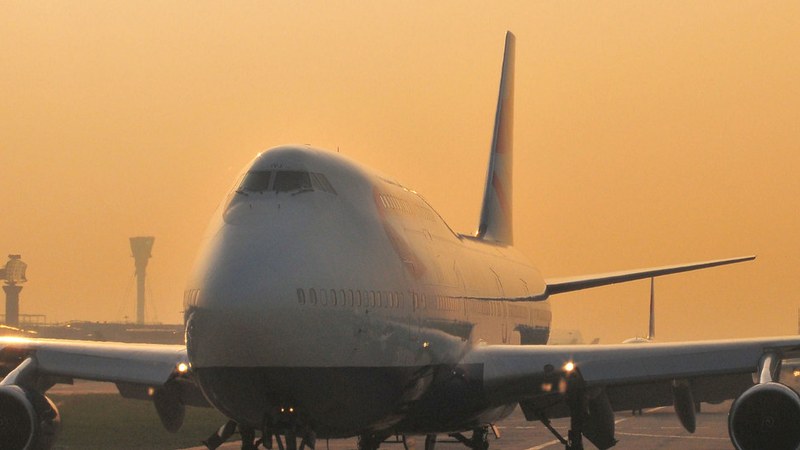
On September 21, 2026, a Verizon fiber-optic cable in New Jersey was accidentally severed by construction workers, disrupting air traffic control communications across major Northeast US airports. The Federal Aviation Administration (FAA) reported an initial failure of the primary communication circuit followed by discovery that the backup fiber line was also broken, affecting the Terminal Radar Approach Control (TRACON) facility in Philadelphia. The outage caused the FAA to halt flights bound for Newark Liberty International Airport (EWR) and Philadelphia International Airport (PHL), and later temporarily stop arrivals at New York’s John F. Kennedy International Airport (JFK) and LaGuardia Airport (LGA).
Flight Delays, Cancellations, and Diversions Across Major Hubs
By 6 p.m. on September 21, over 600 flights in and out of Newark were canceled, representing more than half of the day’s schedule, with nearly 100 additional Newark flights delayed, according to FlightAware. Philadelphia International Airport experienced more than 200 cancellations and over 400 delays. FlightRadar24 tracked over 100 flights destined for Newark diverted to other airports, including international flights from Iceland, Egypt, Greece, Spain, France, Berlin, and Stockholm. Notable diversions included a United Airlines flight from Berlin rerouted to Detroit Metropolitan Wayne County Airport and a SAS flight from Stockholm redirected to Washington Dulles International Airport (IAD). The
disruptions continued into September 22, with ground stops and delays persisting for passengers at affected airports.
Official Statements on Cause and Response
FAA Administrator Bryan Bedford explained the primary circuitry failed first, and “when it went to flip into the backup, we discovered the backup fiber had a break.” NJ Transit confirmed that its construction crew working on a rail project between New Brunswick and North Brunswick, New Jersey, “accidentally severed a fiber-optic cable while working at the site,” operating approximately 10 feet from utility markings. Verizon stated its facilities were fully functional prior to the incident and denied responsibility, noting their technicians were immediately dispatched
to repair the damaged cable and restore connectivity. Transportation Secretary Sean Duffy, in a post on X, confirmed that repairs were underway and flights were gradually resuming, emphasizing the event demonstrated the urgency for additional funding to modernize the nation’s aging air traffic infrastructure.
Airlines’ Responses and Passenger Impact
United Airlines waived flight change fees for travelers affected by the disruption and offered extra pay to staff willing to pick up trips at Newark to address staffing challenges. American Airlines also waived change fees and allowed customers to reroute flights through other airports. Passengers endured hours-long delays, ground stops, and diversions, with many stuck on
planes without information. Douglas Tewnion, a passenger, described “sitting on the same plane, on the tarmac at Boston with no information.” Airports affected included Newark Liberty International Airport, Philadelphia International Airport, New Jersey’s Teterboro Airport (TEB), as well as JFK and LaGuardia airports in the New York City metropolitan area.
Background on Aging Infrastructure and Timing
The incident occurred amid ongoing concerns about the aging U.S. air traffic control system, which has faced long-standing challenges causing delays. A multibillion-dollar modernization program was announced the previous year to upgrade equipment and technology nationwide. The disruptions came hours before the United Nations General Assembly in New York City
on September 22, 2026, when many international leaders were arriving. Transportation Secretary Duffy underscored the need for modernization funding to prevent similar outages, linking the cable cut episode with broader infrastructure vulnerabilities.