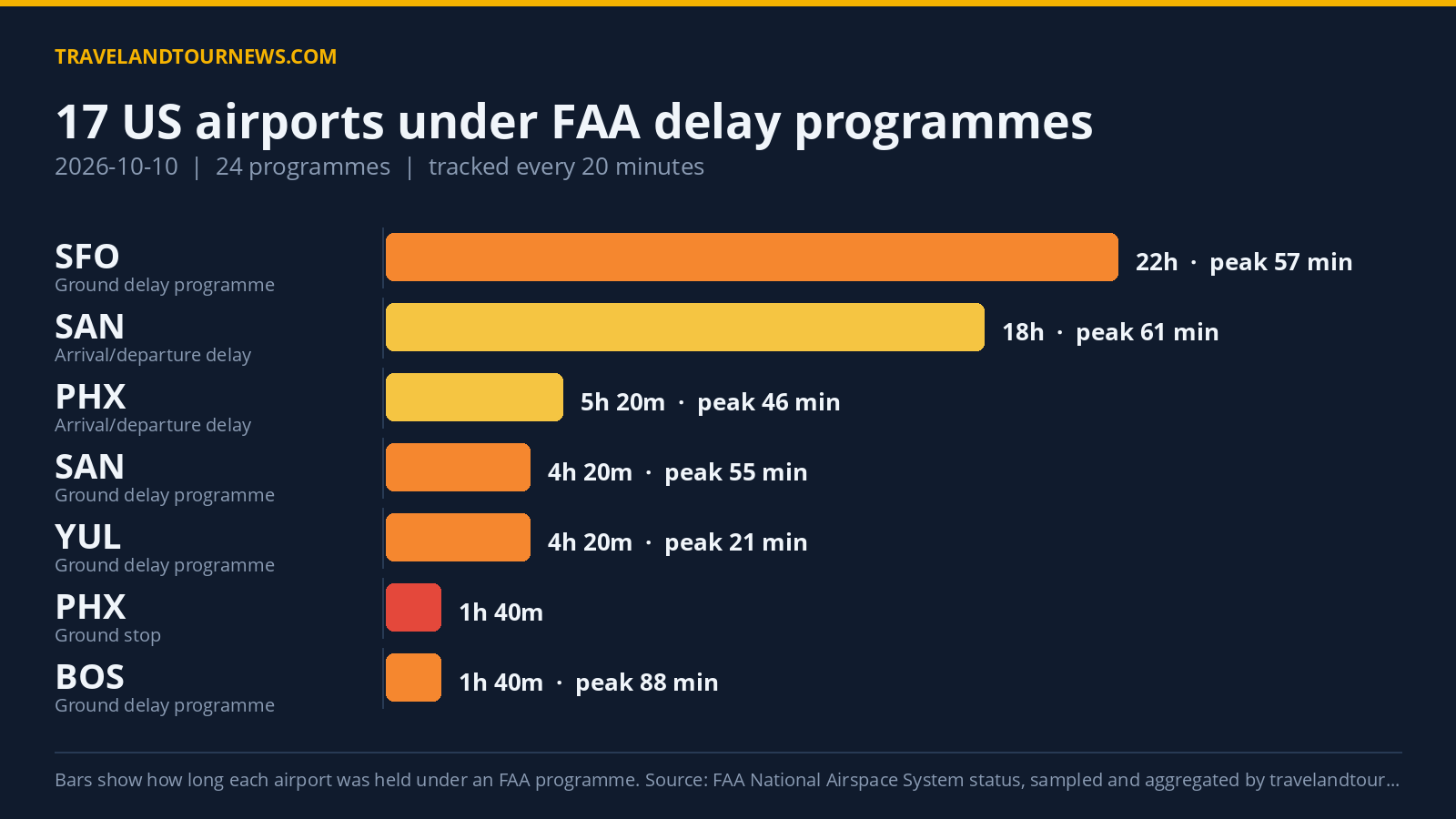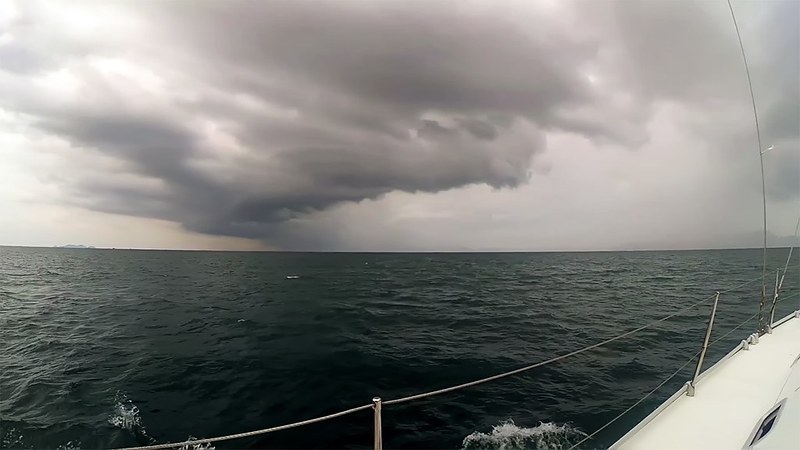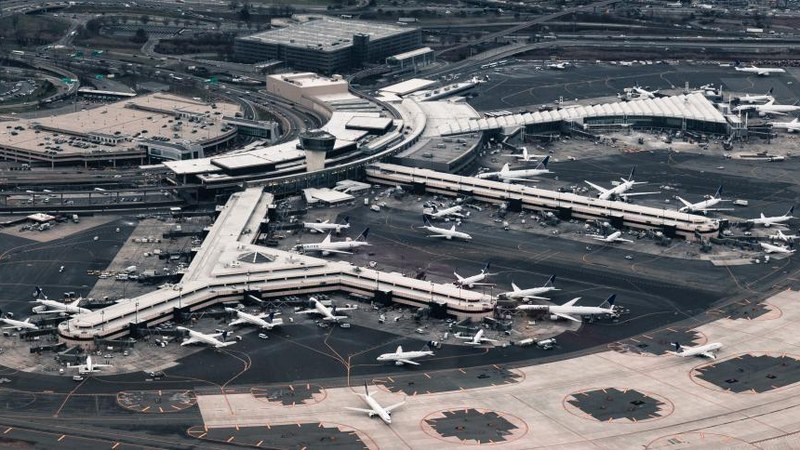
On August 20, 2026, severe thunderstorms on the U.S. East Coast combined with Federal Aviation Administration (FAA) Ground Delay Programs to cause widespread aviation disruptions, resulting in 3,012 flight delays and 596 cancellations nationwide as of 3:00 pm Eastern Time, according to flight-tracking data.
Delays Extend from Northeast to National Airports
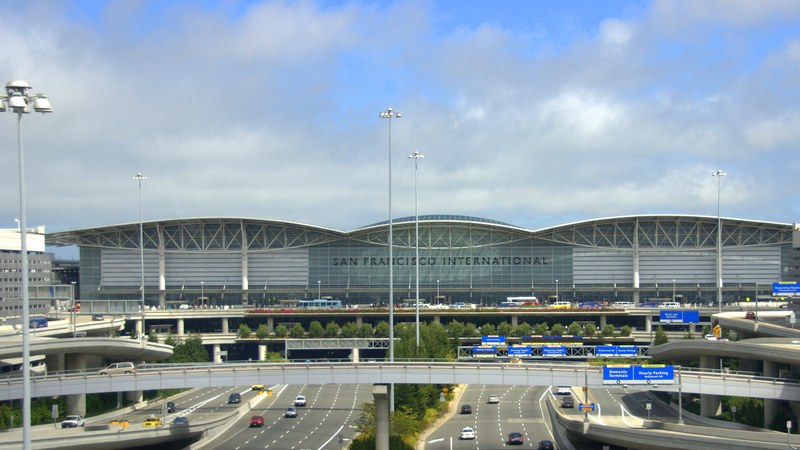
The disruptions affected airline operations at several key airports, including San Francisco, New York, and Philadelphia. FAA Ground Delay Programs implemented at major Northeast airports triggered cascading delays across the country. The interconnected scheduling and aircraft rotations of airlines meant delays in the Northeast rapidly impacted departures at hubs on the West Coast and in the
Midwest.
Major Events in Pennsylvania Drive Elevated Traveler Volumes
The timing of the disruption coincided with increased passenger flow to Pennsylvania, where more than 500,000 visitors attended events including MLB All-Star Week, America250 celebrations, and six FIFA World Cup matches. Epsilon Economics was contracted by the Parker Administration on the same day to assess the economic impact of these events.
FAA and Airlines Collaborate; Transit Authorities Recommend Alternatives
The FAA is coordinating with major carriers such as Southwest Airlines and American Airlines to optimize flight paths during summer storm seasons in efforts to reduce the duration of gridlocks. In parallel, transportation authorities like the Pennsylvania Department of Community & Economic Development and regional tourism offices have
encouraged travelers delayed by the disruptions to use alternative travel modes, including walking in historic districts and Amtrak’s Northeast Corridor rail services, to alleviate terminal congestion and support local economies.
National Airspace Vulnerability and Long-Term Modernization Efforts
These events underline the vulnerability of the U.S. national airspace network to severe localized weather in high-traffic corridors, especially when FAA Ground Delay Programs are activated. The FAA continues efforts to modernize air traffic control systems and expand airport capacity to improve resilience against such weather-induced delays over the long term.