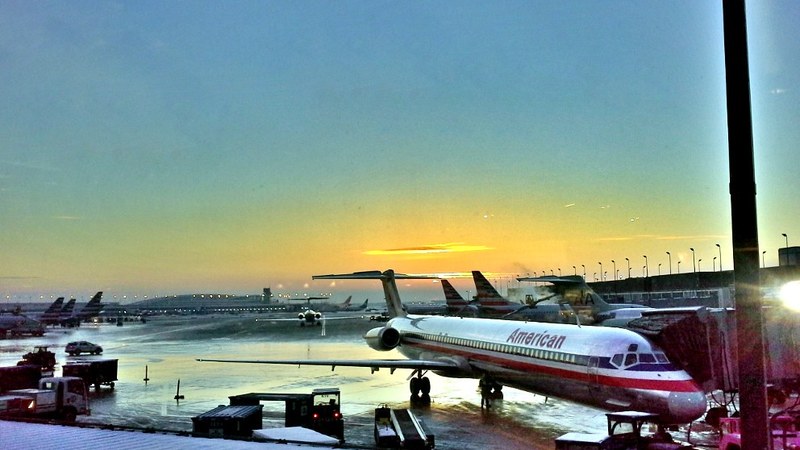
On July 20, 2026, 1,144 flights were cancelled and 3,647 delayed across the United States. Major airports affected by delays and cancellations include Hartsfield-Jackson Atlanta International Airport with 480 delays and 197 cancellations, Chicago O’Hare International Airport registering 311 delays and 72 cancellations, and New York’s John F. Kennedy International Airport reporting 233 cancellations and 231 delays. Boston Logan International Airport recorded 243 delays and 105 cancellations. Newark Liberty International Airport experienced 234 delays and 167 cancellations. LaGuardia Airport had 195 delays and 124 cancellations, while Philadelphia International Airport registered 161 delays and 95 cancellations.
Delta Air Lines accounted for
the largest share of cancellations nationwide, cancelling 333 flights and delaying 380. This represented nearly 29.1% of all U.S. flight cancellations on the day. American Airlines cancelled 116 flights and delayed 677, the highest number of delays reported by any airline. United Airlines cancelled 122 flights and delayed 333, with disruptions focused at its hubs at Chicago O’Hare and Newark Liberty airports. Republic Airlines recorded 179 cancellations and 158 delays impacting regional connections. Major hubs affected today also included Los Angeles International Airport, Washington, Fort Lauderdale, Minneapolis, and Detroit, along with the airports in Atlanta, Chicago, New York City, Boston,
Philadelphia, and Newark.
Operational and Geopolitical Factors Behind Disruptions
The widespread flight cancellations and delays on July 20 are attributed to a combination of operational issues amid multi-day severe weather expected across the Upper Midwest, Great Lakes, Mid-Atlantic, and Northeast regions. Forecasters predicted repeated thunderstorms, damaging winds, hail, and possible tornadoes fueled by warm, moisture-rich air preceding a cold front. The first weather wave began on July 20 and was expected to persist through midweek, increasing the likelihood of further disruptions.
In parallel, escalating tensions in the Middle East following U.S. military strikes against Iran’s Islamic Revolutionary Guard Corps and the killing of two U.S. troops
in Jordan contributed to airline operational adjustments. President Donald Trump confirmed Iran’s breach of the June interim peace agreement and described the deaths of the two American service members as tragic. Although the conflict is geographically distant, growing security concerns have induced airlines like Qatar Airways to revise their winter 2026/27 schedules. Qatar Airways filed reduced frequencies on routes between Doha and Los Angeles, Boston, Atlanta, and Miami, reflecting fleet availability and demand changes through March 2027.
Impact on Airline Hubs and Passenger Travel
Hartsfield-Jackson Atlanta International Airport experienced the highest delay count nationally with 480 delays and the largest number of cancellations at 197. Chicago O’Hare
remains critical as a hub for both United Airlines and American Airlines, with 311 delays and 72 cancellations affecting numerous domestic and international flights. Newark Liberty International Airport faced 234 delays and 167 cancellations, heavily impacting United Airlines and its partner carriers. American Airlines’ primary hub at Philadelphia International Airport recorded 161 delays and 95 cancellations.
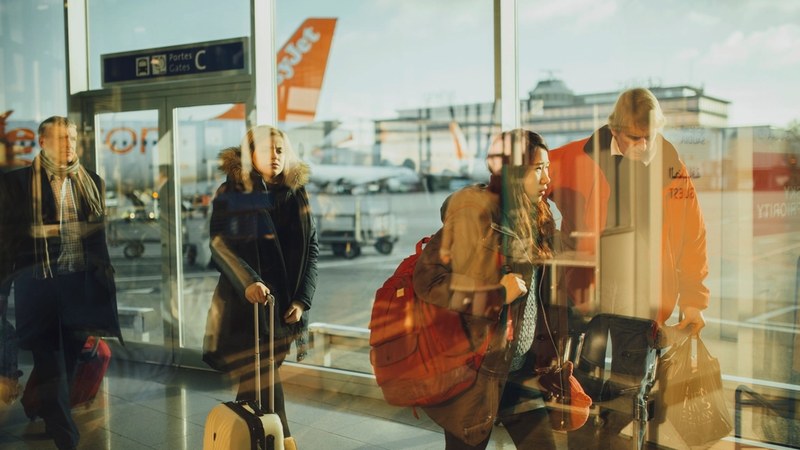
These disruptions have caused missed connections, extended airport wait times, aircraft assignment changes, and limited availability on rescheduled flights. Passengers at major U.S. airports including Atlanta, Chicago, New York, Boston, Philadelphia, and Newark have faced significant adjustments to their travel plans throughout the day.