US Airline Operations Disrupted by Persistent Technology Challenges
Throughout 2026, several major U.S. airports have experienced notable operational disruptions characterized by widespread flight delays and cancellations. Key hubs such as JFK, Denver International, and Chicago O’Hare have been among the most affected. These issues have impacted major carriers including United Airlines, Southwest, Delta, and American Airlines, affecting routes across the nation.
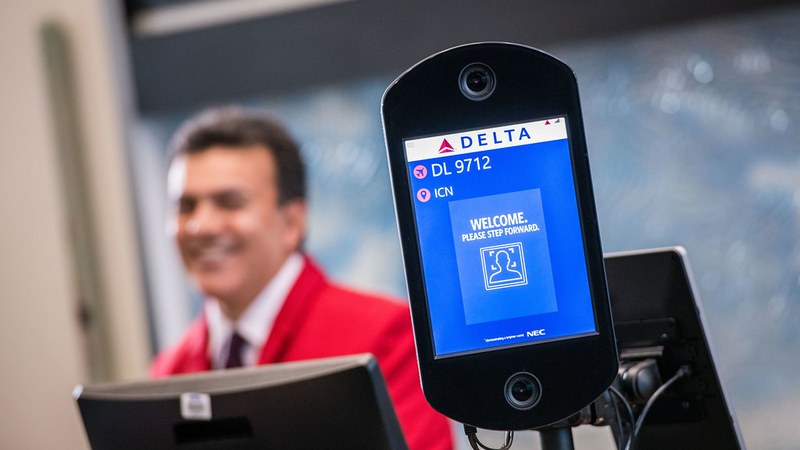
The ongoing challenges appear closely linked to airline operational technology systems struggling to keep pace with demand and complexity. Despite ongoing efforts to modernize infrastructure, travelers have encountered longer waits and uncertainty during travel planning and airport processing.
Impact on Flight Schedules Across U.S. Hubs
Flight schedules at numerous airports have been repeatedly altered,
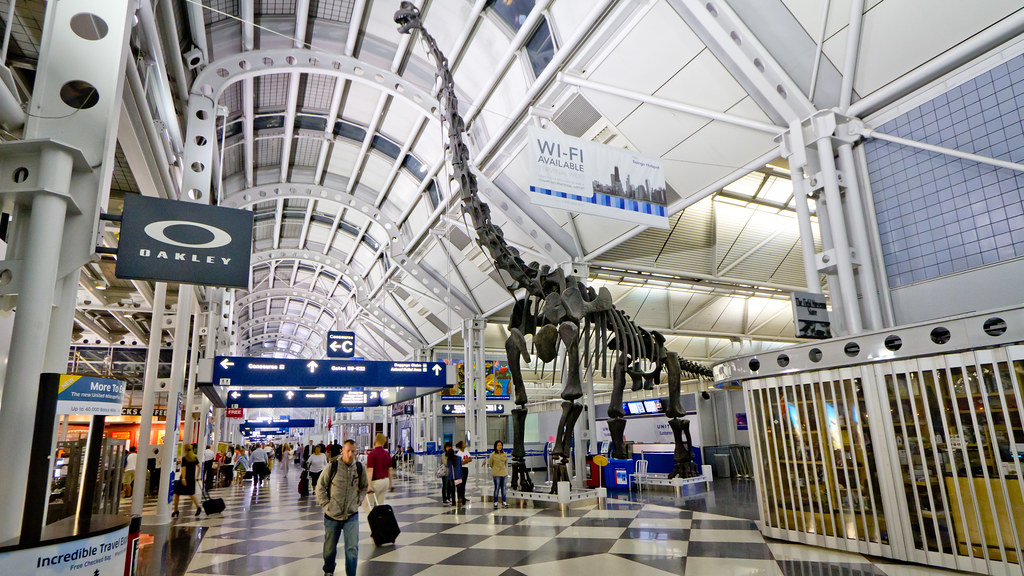
with cancellations and delays prompting shifting itineraries and logistical challenges for passengers. The disruptions at airports like Chicago O’Hare and JFK have been particularly significant given their role as major transfer and connection points for domestic and international flights.
Airlines operating in these hubs continue to juggle high passenger volumes amid complications caused by technology setbacks. The cumulative effect on flight departures and arrivals has led to cascading delays, forcing passengers to seek alternative options or face extended travel times.
Passenger Experience Amid Challenges and Uncertainty
Travelers navigating these operational disruptions experience increased frustration from longer airport wait times, uncertainty about flight statuses, and the logistical
complexities of rebooking or adjusting travel plans. Airport terminals have seen heightened congestion as passengers await updates or assistance.
Despite the strains, passengers are advised to stay informed on the status of their flights through official airline channels and to allow ample time for airport procedures given the current conditions. Flexibility and proactive communication remain key to managing travel amid these disruptions.
Industry Response and Outlook
Airlines and airport authorities continue to address technology challenges in operational systems that contribute to these delays and cancellations. While specific technical causes remain undisclosed, efforts are focused on resolving system limitations to enhance reliability and reduce future
disruptions.
As demand for domestic and international air travel persists, the industry faces pressure to invest in modernization and build resilience against technology-related interruptions. Close monitoring of operational performance at major hubs will remain essential in the months ahead.
Meanwhile, travelers nationwide should anticipate ongoing fluctuations in schedules and consider contingency planning to adapt to evolving circumstances at U.S. airports.