Operational and Technology Issues Drive 2026 Flight Disruptions
In 2026, U.S. travelers continue to encounter significant flight disruptions characterized by widespread delays and cancellations at crucial hubs such as New York’s JFK, Denver International, and Chicago O’Hare airports. These operational challenges reflect persistent difficulties with airline technology systems alongside broader logistical strains. Passengers across the country experience longer wait times and missed connections as airlines struggle to maintain schedules amid ongoing complications.
Impact on Key U.S. Airports and Airlines
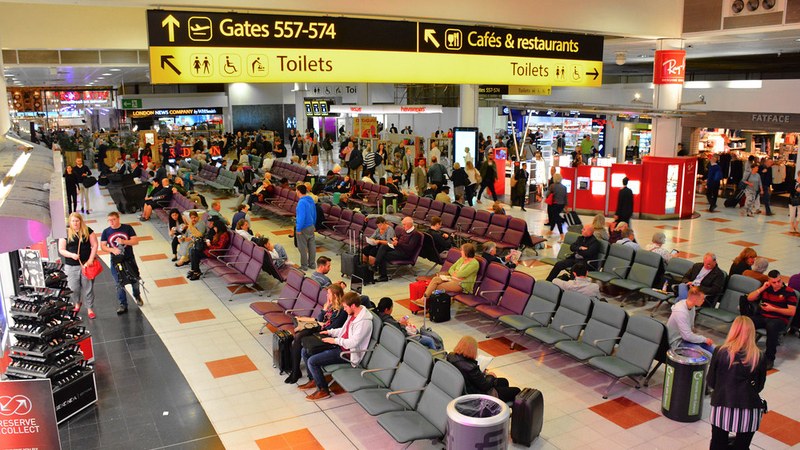
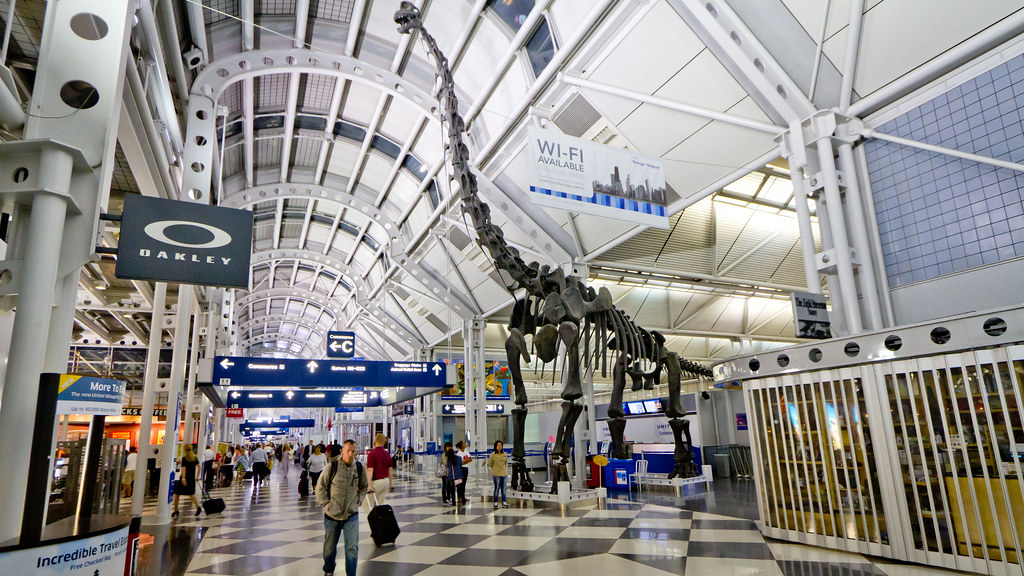
Major U.S. airports have been particularly affected by the cascading effects of these operational setbacks. JFK, Denver International, and Chicago O’Hare have all reported high volumes of flight disruptions involving carriers like United Airlines, Southwest, and
JetBlue. With thousands of passengers affected, airport terminals witness congestion and resultant challenges for travelers attempting to navigate sudden changes in their itineraries.
Technology and Operational Strains Behind the Scenes
While exact root causes for each individual delay and cancellation remain undisclosed, the interplay between aging infrastructure, technological shortcomings, and operational management is apparent. Airlines have been facing difficulties with integrating newer technology platforms and real-time communication systems, thereby complicating their ability to proactively manage disruptions. These systemic issues exacerbate delays during peak travel periods and in congested airport environments.
Passenger Experience and Travel Disruptions
For U.S. travelers, the cumulative effect of these challenges often translates into extended airport wait times, missed
flight connections, and unplanned overnight stays due to cancellations. Passengers report extended periods spent at gates and terminals, with airport services sometimes stretched thin in accommodating large volumes of those affected. These disruptions inevitably influence broader travel plans and often necessitate last-minute adjustments.
Broader Context: U.S. Air Travel and Infrastructure Demands
The challenges faced in 2026 must be understood within the broader context of U.S. airline industry pressures. As passenger volumes rebound and grow following global restrictions, airport infrastructure and airline technology systems confront rising demands. Investment and modernization efforts are ongoing but have yet to fully alleviate the strain on operational efficiency. Concurrent air traffic control constraints
and weather variability further compound scheduling difficulties at major hubs.
Airline Responses and Passenger Advisory Measures
In response to these operational disruptions, airlines have been enforcing adjusted schedules and deploying additional customer service resources. Travelers are advised to remain vigilant regarding real-time flight updates and to allow extra time for airport processing. Airlines are also encouraging proactive engagement with digital check-in tools and notification systems to help mitigate the impact of unexpected changes.
Looking Ahead: Addressing Ongoing Challenges
As the aviation industry continues to grapple with operational and technological obstacles in 2026, stakeholders are focusing on long-term strategies aimed at bolstering resilience. Enhancing system integrations, upgrading airport infrastructure, and reinforcing contingency
protocols are critical areas under consideration. These efforts seek to restore smoother operations and minimize travel disruptions for passengers navigating the nation’s busiest airports.