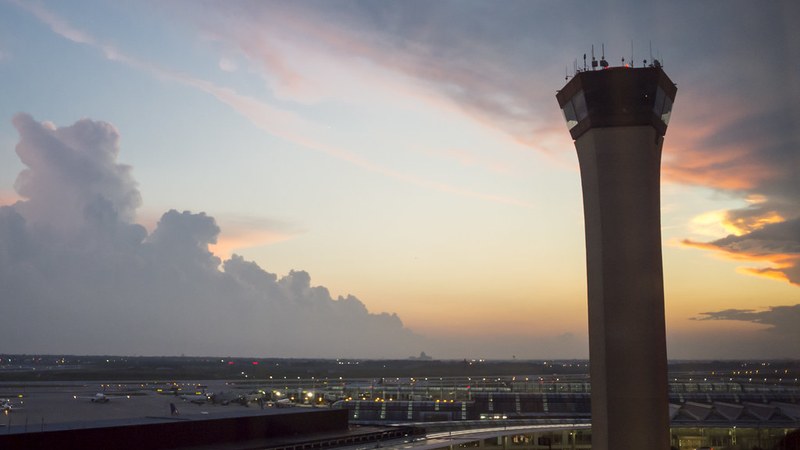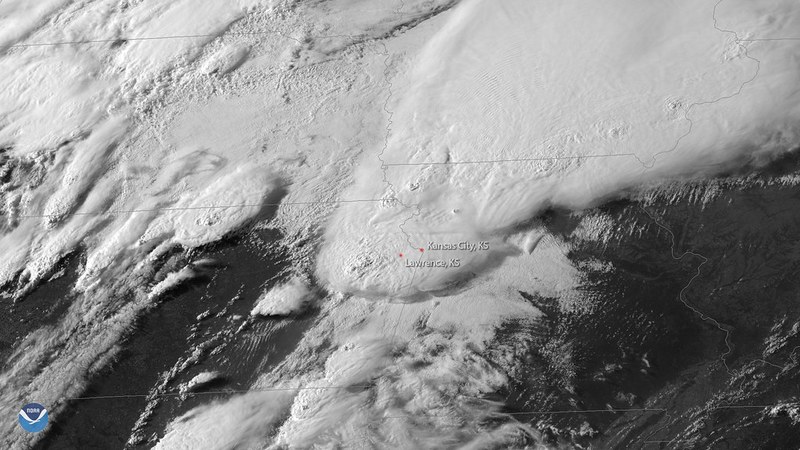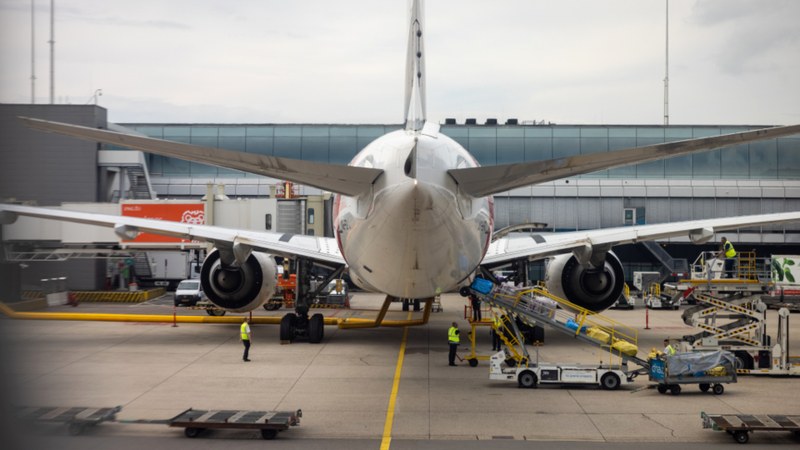
The Federal Aviation Administration enforced ground stops at George Bush Intercontinental Airport shortly after 11:20 a.m. and at William P. Hobby Airport just before 11:30 a.m. on July 13, 2026, amid heavy rainfall caused by a combination of tropical Gulf moisture and a stalled northern front. These ground stops resulted in average flight delays of 45 minutes at Intercontinental and 49 minutes at Hobby Airport, affecting air traffic operations across the Houston metropolitan area.
Flood Risk and Rainfall Forecast
The National Weather Service maintained a level 2 out of 4 risk for excessive rainfall across Southeast Texas through July 14, 2026. Meteorologists forecast cumulative rainfall
totals ranging from one to three inches, with localized areas potentially experiencing up to five inches. “Greatest coverage of (thunderstorm) activity is expected during late morning through early evening hours,” the Weather Service stated. A pause in severe weather activity was expected Monday night before a new round of storms on Tuesday morning.
Flight Disruptions and Rankings
According to data from FlightAware, George Bush Intercontinental Airport ranked third nationally for flight disruptions on July 13, 2026, with 54 delayed flights. William P. Hobby Airport was among the top ten U.S. airports for delays that day, with 24 delayed flights recorded. The significant disruptions followed
the FAA’s ground stops measures aimed at mitigating congestion caused by the severe weather in the Houston region.
Traveler Impact and Continuing Weather Effects
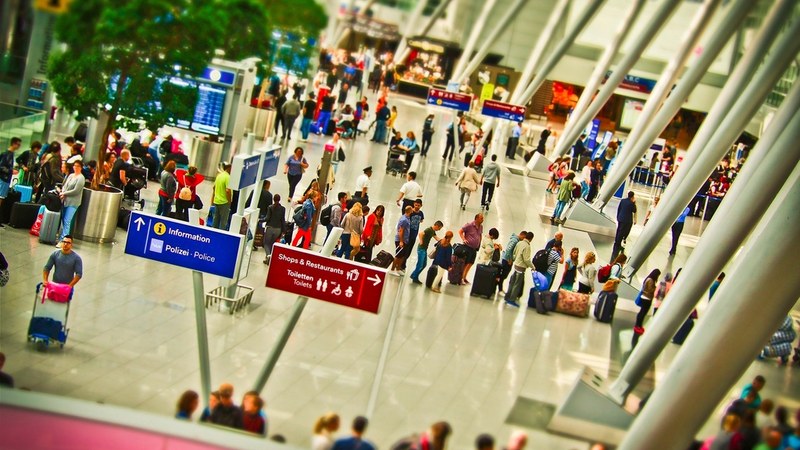
Passengers at Houston’s two major airports experienced average flight delays between 45 and 49 minutes due to ground stops triggered by the storms. The weather system, fueled by a deep tropical airmass, continued to affect air travel operations with persistent rainfall and ongoing flood threats expected to linger into July 14. The National Weather Service noted a temporary lull in storm activity Monday evening before additional storms were forecast to impact the region early on Tuesday.