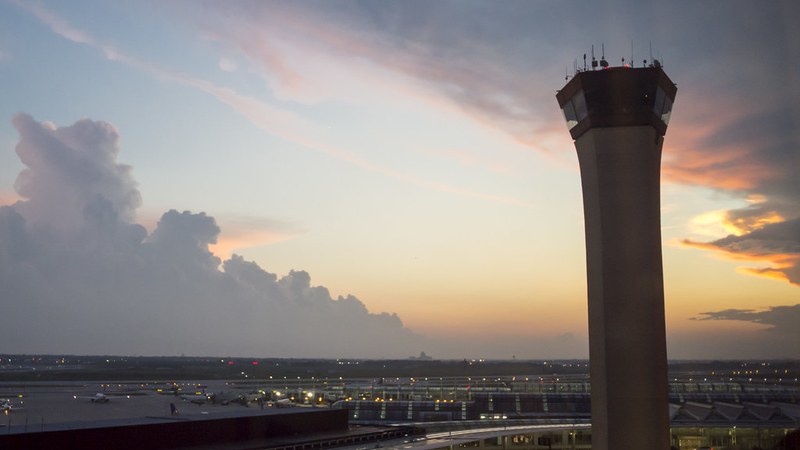
On July 3, 2026, Chicago O’Hare International Airport (ORD), United Airlines’ largest hub, recorded the highest number of flight cancellations and delays globally. The Federal Aviation Administration (FAA) imposed ground stops and ground delays throughout the day, responding to severe thunderstorms affecting the airport.
Flight tracking data from FlightAware reported over 1,000 arrival and departure delays and just above 600 cancellations at ORD on July 3. United Airlines canceled 4% of its flights and delayed nearly one-third of its operations, making it the most affected major carrier worldwide on that date. Regional carriers SkyWest and GoJet Airlines also experienced significant
disruptions. Other major U.S. international airports in the Midwest and Northeast faced delays and cancellations but far fewer than ORD.
Flights were diverted amid the storms, including American Airlines flight 836 from Charlotte to Chicago, which departed Charlotte 7.5 hours late and was rerouted to Minneapolis. Passengers impacted by diversions were reported at Kansas City International Airport (MCI), where multiple ORD-bound diverted planes had passengers waiting inside the terminal. At ORD, travelers reported extended tarmac waits up to three hours. One United passenger posted on Reddit, “I was stuck on the tarmac for a little more than two hours before
they finally took us back to a gate. Supposed to have left at 8pm. Now delayed until 7am.” Another reported a United flight canceled until the following morning despite waiting on the tarmac for hours.
Ongoing Weather Impact and Further Delays
Severe weather warnings remained in effect into early July 4, 2026. The National Weather Service issued flood advisories for Chicago from 1:51 AM to 12:00 PM local time on July 4, with up to 2.5 inches of rain recorded during the earlier storms. By early morning July 4, ORD had 16 canceled departures, 49 delayed departures, 86 arrival cancellations, and 60 delayed arrivals. United Airlines
reported 57 delayed and 85 canceled flights at ORD as of that morning.
AccuWeather forecasted thunderstorms and a heat dome affecting the central and eastern U.S. over the Independence Day weekend. The heat dome is expected to maintain temperatures up to 10 degrees above average, fueling conditions for waves of severe thunderstorms across the Midwest and Northeast. Thunderstorms along the southern Atlantic and Gulf coasts may organize into tropical depressions or storms, threatening further disruptions at airports from Florida to the Atlantic Seaboard.
Prior Disruptions and Baggage Delays at Orlando
Earlier in June, Denver International Airport (DEN) experienced major delays due to storms including tornado warnings, while
recent disruptions affected Orlando International Airport (MCO). On June 27, approximately 800 passengers faced baggage claim delays exceeding five hours at MCO, resulting in severe passenger distress. A passenger, Carol Wick, reported that Virgin Atlantic employees told passengers they could be arrested for leaving U.S. customs without their luggage; this claim was denied by Virgin Atlantic and U.S. Customs and Border Protection (CBP). The Greater Orlando Aviation Authority also refuted allegations of arrest threats. CBP confirmed the delays were due to extended baggage wait times impacting customs processing and insisted officers were present to manage traveler entry.
Official Responses and Passenger Rights
United Airlines issued
weather waivers permitting travelers affected by the storms to change flights without fees or cancel for travel credits during the disruption window. The U.S. Department of Transportation (DOT) clarified that airlines are not legally required to provide compensation or amenities such as meals or hotel stays during weather-related delays and cancellations, as such events are considered uncontrollable. DOT states, “Airlines don’t guarantee their schedules,” and urged travelers to understand passenger rights are limited in such cases. Travelers were advised to monitor airline advisories, as major carriers including United, American, Delta, and Southwest maintain online updates for weather disruptions.