Hong Kong International Airport became the first airport worldwide to receive digital identity certification from the International Air Transport Association (IATA) on October 28, 2026. The airport was certified under IATA’s One ID program, meeting standards in Contactless Travel, Biometric Handling, and Privacy, Consent and Governance.
Hong Kong’s Flight Token System and Air New Zealand Certification
The Flight Token system at Hong Kong International Airport, launched in 2021, uses facial recognition for passenger processing. Over 93 million passengers have used the system, with more than 80 percent of departing passengers eligible to utilize it. Air New Zealand also received One ID certification, specifically for digitalising admissibility verification, after conducting a
cross-border trial with Hong Kong International Airport to test reducing document presentation at checkpoints.
Regulatory Challenges Slowing Adoption
IATA Senior Vice-President Nick Careen stated that broader adoption of facial recognition and digital identity in airports is slowed by government regulations concerning data privacy, identification checks, and legislation requiring physical document verification. Differences in regulations between countries remain the biggest obstacle to cross-border biometric identification systems. Careen noted, “Until governments truly unlock the legislation and regulations required, not only around data privacy, but also around identification checks and the requirement for that to be done physically … we are going to have a slow adoption
rate, unfortunately.” He added, “If the US decides that they don’t want to get involved and they don’t want to participate, that’s fine. It would be unfortunate, but it’s fine.” Geopolitical tensions, such as those between China and the United States, could impact implementation but IATA expects eventual US participation due to traveller demand.
Passenger Benefits and Data Privacy Controls
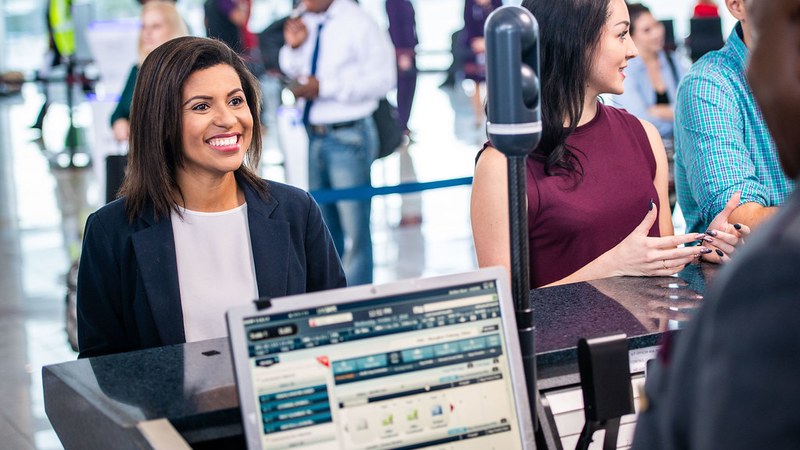
Travelers at Hong Kong International Airport experience smoother, faster identity verification through facial recognition technology embedded in the Flight Token system, streamlining departures by enabling passengers to pass through key airport checkpoints more efficiently. IATA’s One ID system enforces passenger consent for biometric data sharing for
each journey, with biometric data deletion after a specified period, giving travelers control over their personal information.
Industry Perspectives and Security Assurance
Vivian Cheung Kar-fay, CEO of Airport Authority Hong Kong, said, “This certification affirms our commitment to enhancing the passenger experience through innovation and demonstrates that HKIA’s digital identity and biometric processes meet IATA’s global standards.” Nick Careen noted the certification “provides assurance about digital travel, trust in identity verification, and data privacy to passengers and the industry.” Francis Fong Po-kiu, honorary president of the Hong Kong Information Technology Federation, commented, “People’s caution is totally natural – we expect maximum security at international borders,”
and praised IATA’s decentralized digital identity technology, saying, “IATA’s explanation makes total technical sense” and suggesting it could offer stronger privacy protections than conventional biometric applications.
IATA’s Digital Identity Standards and Future Outlook
IATA’s One ID initiative aims to allow passengers to pass through checkpoints without repeatedly presenting passports and boarding passes, using biometrics and digital credentials. The certification sets an industry benchmark in biometric and digital passenger processing standards, part of a broader move toward contactless, automated travel. Data privacy, governance, and regulatory alignment remain key challenges for global adoption.