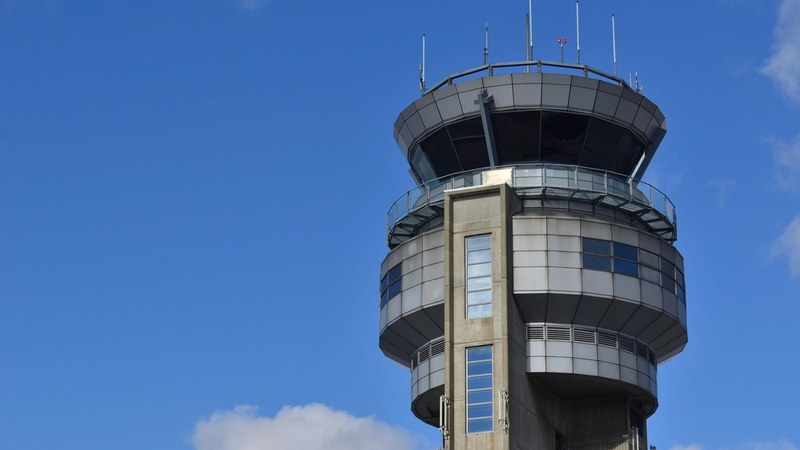
On the night of Tuesday, October 20, 2026, the apron management control tower at Toronto Pearson International Airport was evacuated following reports of smoke. The evacuation disrupted aircraft movements around terminal gates and caused delays to both arriving and departing flights at the airport serving the Greater Toronto Area.
Distinct Roles of Apron Management and Air Traffic Control
The apron management unit, operated by the Greater Toronto Airports Authority (GTAA), oversees aircraft flow near terminal buildings and gates. Its evacuation interrupted ground operations despite the separate air traffic control tower, operated by NAV Canada, remaining fully operational throughout the incident. NAV Canada controllers continued managing aircraft in the air
and on runways and taxiways with no impact on pilot communications during this time.
Official Statements and Impact on Flights
NAV Canada spokesperson Gabriel Bourget confirmed that the air traffic control tower was not evacuated and that pilot-controller communications were maintained without disruption. Toronto Pearson Airport announced via its X account that apron management staff had returned and resumed their duties, but ongoing air traffic management initiatives continued to cause delays. Air Canada classified the event as a ‘safety incident’ involving the GTAA apron management unit and acknowledged multiple flights were affected, emphasizing that the situation was beyond the airline’s control. Air Canada reported working to
reduce delays for passengers amid the disruption.
Passengers with flights at Toronto Pearson during the incident were impacted by delays affecting arrivals and departures. Airlines advised travelers to monitor their flight status independently due to the operational disruptions caused by the apron management tower evacuation.