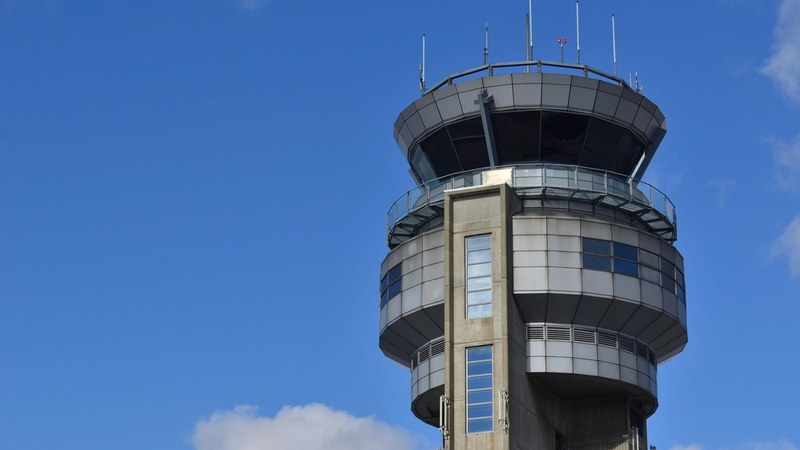
On the night of October 20, 2026, Toronto Pearson Airport experienced flight delays after the evacuation of its apron management control tower due to smoke reports near the tower. The evacuation caused delays for both arriving and departing flights as the Greater Toronto Airports Authority (GTAA), which operates the apron management unit, temporarily halted apron operations.
Roles of Apron Management and Air Traffic Control
The apron management unit manages aircraft traffic flow at gates and loading zones separately from the air traffic control tower, which is operated by NAV Canada. Gabriel Bourget, a NAV Canada spokesperson, confirmed that their air traffic control tower at Pearson Airport was not
evacuated and maintained normal operations. Pilot-controller communications and control of aircraft on runways and taxiways remained unaffected during the event.
Resumption of Operations and Airline Response
Following the evacuation, staff returned to the apron management control tower and resumed operations. Nevertheless, an air traffic management initiative at Toronto Pearson was still causing flight delays. The airport urged passengers to confirm flight statuses directly with airlines. Air Canada characterized the situation as a safety incident involving GTAA’s apron management unit that impacted multiple flights and was beyond the airline’s control.
Impact of Apron Management Disruptions
The interruption of apron management disrupted the flow of aircraft at gates and loading areas, causing delays
in departures and arrivals. While NAV Canada managed the safe movement of aircraft in the air and on runways and taxiways, the GTAA-managed apron areas experienced operational delays. Airlines and airport authorities worked to manage flight schedules amid the disruption.