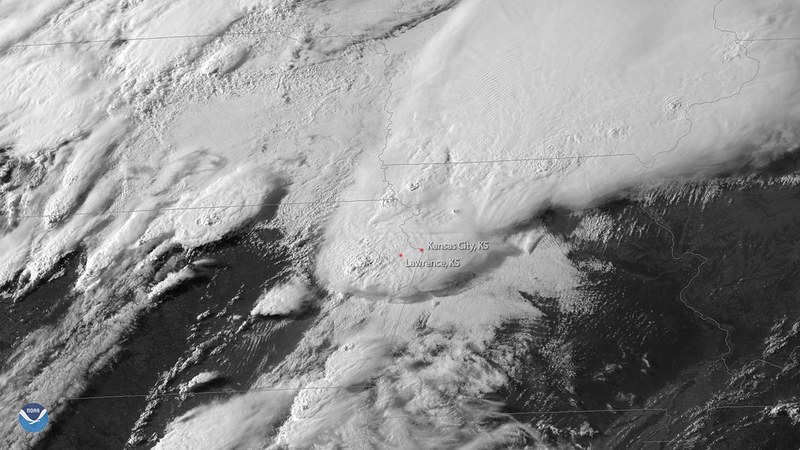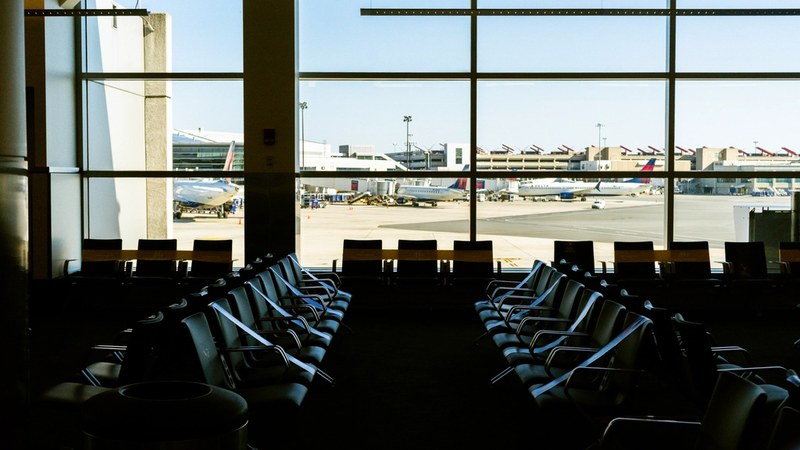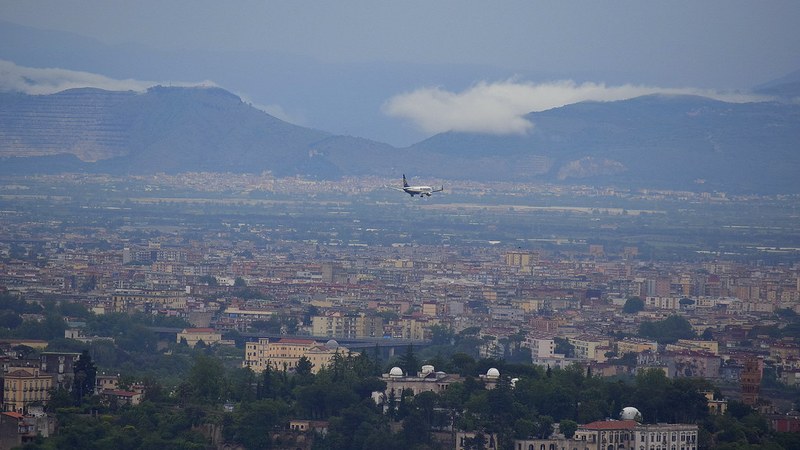
Denver International Airport experienced significant flight disruptions on Saturday, September 19, 2026, with over 400 flights delayed and 13 canceled amid severe thunderstorms. By Saturday night, 677 flights arriving and departing from Denver were delayed, including delays of 266 United Airlines flights, 177 Southwest Airlines, 127 SkyWest Airlines, 39 Frontier Airlines, 25 Delta Air Lines, and 24 American Airlines. Flight cancellations totaled 13, with United Airlines canceling 5 flights, Southwest 3, American Airlines 2, Envoy Air 2, and Delta Air Lines 1.
FAA Ground Delay Program Initiated Due to Thunderstorms
The Federal Aviation Administration (FAA) implemented a ground delay program at Denver International Airport beginning around 4 p.m.
on September 19, 2026, citing thunderstorms in the area. This ground delay was expected to remain in place through 8 p.m. to manage the congested airspace and reduce risks caused by convective weather. The FAA employed Ground Delay Programs and miles-in-trail restrictions to sequence inbound aircraft safely while preventing saturation in arrival corridors.
Thunderstorm cells moving across arrival routes prompted regulatory actions to reduce inbound traffic flow, holding planes at their departure points to avoid congested airspace at Denver. This approach intended to mitigate operational volatility and reduce airborne holding times during storm activity.
Passenger Impact and Cascading Delays Across Networks
Thunderstorm-driven delays have caused cascading operational
effects at Denver International Airport, impacting inbound and outbound flights. Aircraft being held on the ground at origin airports due to the FAA’s ground delay program contributed to schedule disruptions and reduced aircraft availability for subsequent flights. Passengers faced longer wait times and increased risk of missed connections as slow approach sequences during storms delayed arrivals.
The FAA advised travelers to monitor their real-time flight status considering the volatility caused by the thunderstorms. Airlines typically do not offer monetary compensation for delays caused by weather events like thunderstorms, recognizing these as irregular and uncontrollable disruptions.
Severe Thunderstorm Weather Conditions Across Denver and Florida Areas
The thunderstorm activity affecting Denver
began on Friday, September 18, 2026, and extended into Saturday. The Rocky Mountain region’s convective weather patterns and rapid redevelopment of storm cells near critical arrival fixes created a complex operational environment. Clusters of storms near final approach zones significantly reduced arrival rates, leading to backlogs lasting beyond the storms themselves.
Other U.S. aviation corridors, including major airports in South Florida such as Miami International Airport and Fort Lauderdale International Airport, also faced thunderstorm-related flight management programs during this period. The FAA highlighted that sea-breeze boundaries colliding with inland heat in Florida trigger sudden storms, affecting airport operations even when
skies appear clear at the departure city.
FAA’s Role and Systemic Impacts on the National Airspace System
The Federal Aviation Administration’s deployment of ground delay programs and miles-in-trail spacing is aimed at preventing the overload of congested airspace due to severe weather. Weather-related flight restrictions differ from Temporary Flight Restrictions (TFRs) because they are operational and subject to frequent changes based on storm behavior. This fluidity can cause a flight to be delayed, cleared, and delayed again as thunderstorm cells cyclically develop during the daytime heating cycle.
The FAA’s risk period included September 18 and 19, 2026, covering sensitive hubs like Denver, Miami, and Fort Lauderdale. Such weather disruptions expose
vulnerabilities in the hub-and-spoke air traffic networks and create a chain reaction of delays affecting connecting flights thousands of miles away.