Thai Aviation Industries (TAI), Edgewater Solutions, and Amadeus signed a strategic memorandum of understanding before July 19, 2026, to modernize airport operations and improve passenger experience across international and regional airports in Thailand. TAI provides expertise in aircraft maintenance and aviation capability development aligned with national priorities. Edgewater Solutions specializes in complex digital aviation systems integration, while Amadeus supplies digital solutions for airlines, airports, and governments worldwide, including cloud computing and passenger processing technologies.
Digital Technologies to Upgrade Airport Operations
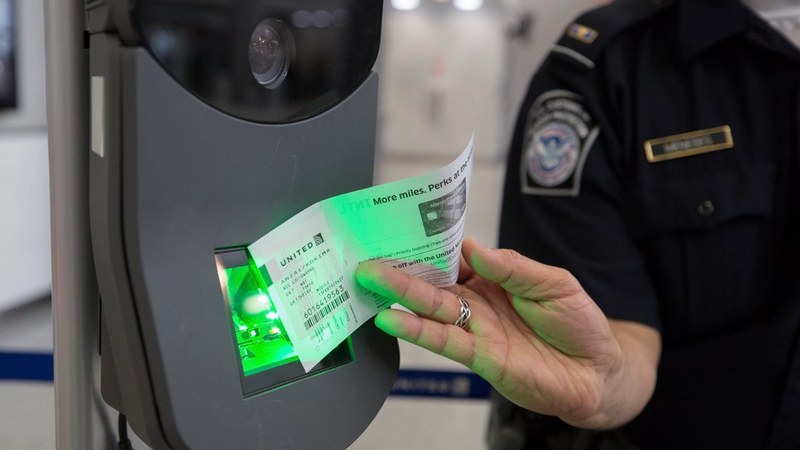
The partnership aims to implement a unified digital ecosystem integrating biometric passenger identification, including facial recognition technology, automated baggage handling, intelligent operational databases, and real-time passenger
analytics. Key developments include self-service passenger processing, automated electronic gates for controlled area access, and enhanced airport baggage operations. A centralized Airport Operational Database (AODB) and resource management system will enable efficient allocation of assets such as gates, check-in counters, and baggage belts, creating a seamless operational platform.
Rising Passenger Volumes and Tourism Demand
Thailand’s airports collectively handle around 140 million passengers annually, with more than 35 million international visitors recorded in 2024 alone. Tourism receipts in 2024 exceeded THB 1.6 trillion, reflecting strong tourism recovery. This rapid growth, affecting airports like Bangkok, Phuket, Chiang Mai, Krabi, Hat Yai, and Udon Thani, increases pressure to maintain
security, operational punctuality, and passenger comfort amid rising domestic and international air travel.
Passenger Experience Improvements
Passengers will benefit from shorter queues and faster processing through integrated biometric verification systems that reduce repeated presentation of passports and boarding passes. Digital kiosks, automated bag drops, mobile applications, and off-airport check-in options will enable travelers to complete portions of their airport journey independently. Electronic gates will automate access to controlled airport areas, improving passenger flow, while improved baggage handling aims to reduce delays and lost luggage incidents, enhancing passenger satisfaction.
Supporting Thailand’s Aviation and Tourism Growth
The memorandum addresses the pressing need for modern aviation infrastructure supporting Thailand’s growing tourism sector
and aviation competitiveness. Thai Aviation Industries ensures alignment with national priorities by contributing aircraft maintenance expertise and aviation capability development. The initiative integrates cloud computing, biometric identity management, and airport operational platforms to build a digitally connected ecosystem enhancing operational resilience and smart decision-making.
Industry Context and Future Outlook
The collaboration reflects Thailand’s economic reliance on aviation, which supports international trade, business travel, medical tourism, and regional connectivity. Digital airport transformation is becoming as vital as terminal and runway expansion in addressing growing passenger demand. By adopting interconnected digital technologies, Thailand’s airports position themselves alongside leading regional hubs to accommodate continued tourism growth with improved
operational intelligence.