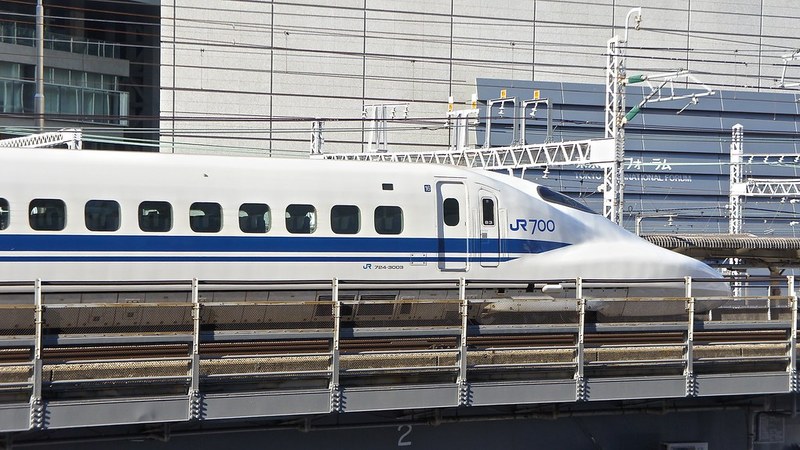
Taiwan’s Executive Yuan has authorized a 60.6 km extension of the island’s standard-gauge high-speed railway from Nangang station east of Taipei to Yilan on the northeast coast. The plan includes construction of a new station near Yilan County Hall along with a depot and maintenance facility southeast of the terminus. The Railway Bureau of the Ministry of Transportation & Communications estimates the cost of the extension at NT$222 billion (€5.95 billion), rising to NT$352.2 billion (€9.44 billion) after adding the depot and rolling stock.
Elevated Alignment and Station Rebuild in Central Yilan
A 15.6 km segment of the existing railway through central Yilan will be reconstructed on an
elevated track to reduce interference with surface traffic. This work involves rebuilding four stations and creating a new interchange connecting the conventional rail network to the high-speed line.
Capacity Relief and Network Development Strategy
The high-speed rail extension is designed to alleviate congestion on the 1,067 mm gauge conventional railway between Shulin southwest of Taipei and Qidu south of Keelung, which currently operates at full capacity. Evaluation of the Yilan extension has been ongoing since 2019. This project is one component of Taiwan’s broader strategy to build a more efficient round-island rail network that supports more balanced development of the east coast relative to the west.
Complementary infrastructure upgrades include ongoing double-tracking of the conventional line between Hualien and Taitung and improvements to the South Link line encompassing double-tracking of bottleneck sections.
Traveler Benefits and Operational Impacts
The extension aims to improve travel efficiency and decrease congestion on existing lines. The elevated track section through Yilan and new interchange will facilitate smoother transfers and mitigate conflicts with road traffic, enhancing connectivity for passengers and fostering regional rail network capacity.