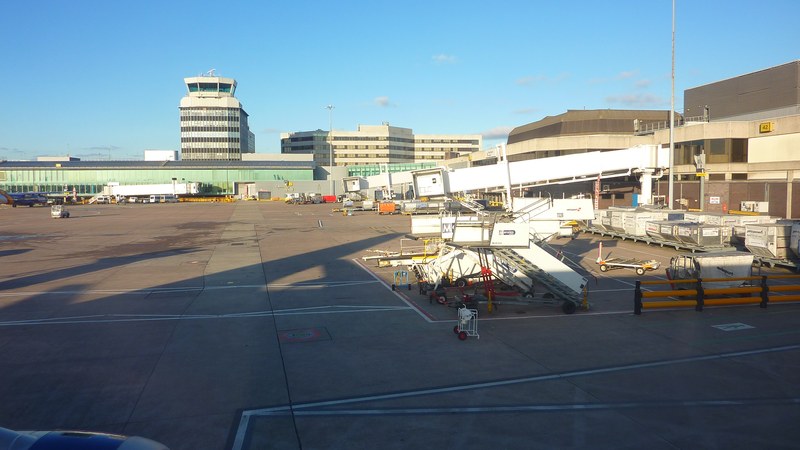
More than 150 flights were delayed at Sydney Airport on August 8, 2026, disrupting both international and domestic services. Qantas reported approximately 95 delayed flights across its network, including about 25 QantasLink services. Virgin Australia flights to and from Sydney Airport also experienced delays throughout the day.
Staff Shortages Drive Air Traffic Control Constraints
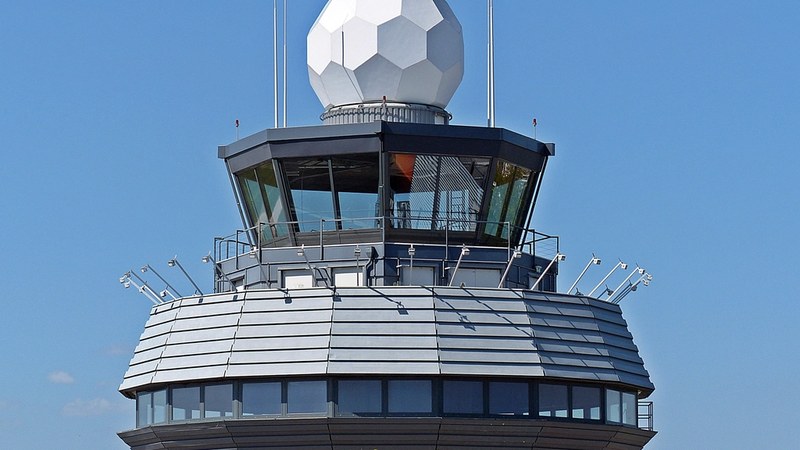
Airservices Australia managed reduced air traffic movements at Sydney Airport due to roster constraints and staff shortages in the air traffic control tower. Departure spacing was implemented to control flight traffic amid limited controller availability. Airservices acknowledged these constraints affected scheduling and caused operational disruptions. They stated, “departure spacing at Sydney Airport was
enacted because of roster constraints and acknowledged that this may cause disruptions.” Airservices Australia is enhancing training pipelines and addressing rostering issues to improve workforce flexibility. Recruitment and training of new air traffic controllers is ongoing, with 95 new controllers expected in 2026.
Flight Disruptions Across Airlines and Routes
The delays impacted flights across Sydney’s international and domestic terminals, affecting network-wide Australian routes including regional destinations such as the Sunshine Coast and Melbourne. Passengers experienced delays of up to about one hour on some flights, and on August 7, some were held on the tarmac for over an hour. Airlines including Qantas, QantasLink, and Virgin Australia
reported multiple disrupted services on August 8. These disruptions caused significant passenger queues throughout the day and flight schedule impacts across the network.
Official Responses Highlight Ongoing Staffing Challenges
Stephen Beckett, CEO of Airlines for Australia and New Zealand, said Airservices Australia is struggling to roster enough air traffic controllers daily, stating, “We understand that they are again struggling to have enough people rostered on in the air traffic control tower to keep the air service operating efficiently.” He added, “We’ve just had three days in a row [where] Australia has not been able to roster enough people in the air traffic control centres.” Beckett also
questioned, “They continue to tell us they have recruited enough people to staff the tower. If so, why do we have these persistent problems?”
An Airservices Australia spokesperson confirmed departure spacing was enacted due to roster constraints and said, “Airservices is enhancing our training pipeline to add further controllers to improve roster depth and is working to address rostering issues that reduce the flexibility of our workforce.” The spokesperson added Airservices is working with airlines to reduce delays and impact on passengers.
Federal Transport Minister Catherine King stated Airservices needs to improve disruption management, saying, “While a range of measures
were put in place to ensure the safe continuation of flights, Airservices needs to do better at managing these disruptions. They cause significant challenges to passengers, staff and airlines.” Her office has requested an explanation from Airservices and a plan to improve service delivery, acknowledging the time required to recruit and train 95 new air traffic controllers expected in 2026.
Passenger Impact and Travel Advice
Passengers faced extended waiting times and significant queueing at Sydney Airport terminals on August 8. Travelers were advised to prepare for schedule disruptions and possible rescheduling of flights across the network. Sydney Airport, Australia’s busiest airport, urged travelers to check
with their airlines for updated flight information to manage these impacts caused by staffing-related delays. The disruptions also strained national and international flight operations.