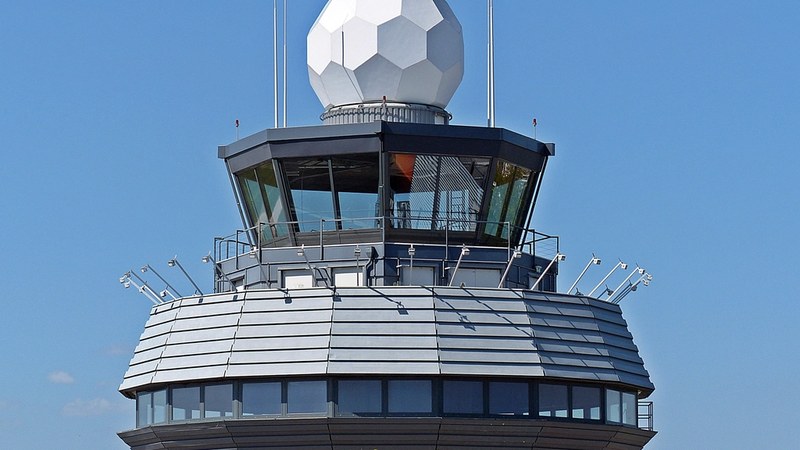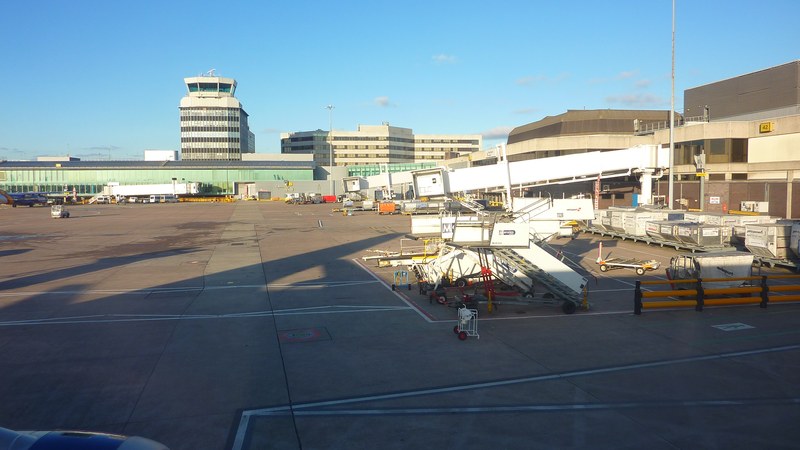
On August 8, 2026, Sydney Airport experienced flight delays affecting more than 150 flights across its international and domestic terminals. The primary cause of the disruption was staffing shortages and difficulties in rostering sufficient air traffic controllers at the airport’s air traffic control tower.
Delays Impact Qantas, QantasLink and Virgin Australia Flights
Approximately 95 of the delayed flights belonged to the Qantas network, including about 25 services operated by QantasLink. Virgin Australia also reported delays to some flights arriving at and departing from Sydney Airport. Passengers faced disrupted travel plans as a result of these delays, experiencing extended waits and uncertainty regarding their flight schedules.
Airservices Australia Implements Departure Spacing Amid Roster Constraints
Airservices Australia managed
the disruption by enacting departure spacing measures at Sydney Airport due to roster constraints within the air traffic control tower. A spokesperson stated these Air Traffic Flow Management (ATFM) measures might disrupt airline schedules but emphasized ongoing efforts to minimize delays and passenger impact. The agency is addressing staffing challenges by enhancing its training programs to increase the number of qualified controllers and improving roster flexibility.
Industry Officials Call for Improved Management of Disruptions
Stephen Beckett, CEO of Airlines for Australia and New Zealand, highlighted that Airservices Australia has struggled to roster enough controllers over consecutive days, stating, “We understand that they are again struggling to have enough
people rostered on in the air traffic control tower to keep the air service operating efficiently.” He questioned why staffing problems persist despite recruitment claims. Federal Minister for Transport Catherine King criticized Airservices for not managing the disruptions effectively, saying, “While a range of measures were put in place to ensure the safe continuation of flights, Airservices needs to do better at managing these disruptions.” Her office has requested a detailed explanation and a plan from Airservices Australia to improve service delivery.
Passenger Experiences and Advice amid Ongoing Delays
Passenger Suzanne Baker, traveling to the Sunshine Coast, described the delays as a “real nuisance,” noting the inconvenience
caused to her and her disabled husband. Another passenger, Louise, flying to Melbourne, reported a one-hour delay and remarked on the regularity of airport delays, calling for better staffing and support for air traffic controllers. A Sydney Airport spokesperson confirmed that delays are expected to continue affecting flight schedules across the network. Passengers are advised to monitor flight status closely due to the ongoing operational challenges.
On August 7, 2026, the day preceding these delays, over 120 flights experienced delays at Sydney Airport, with some flights subjected to more than an hour of waiting on the tarmac. Airservices Australia temporarily
enacted measures that day to manage capacity constraints but restored operations subsequently.
Addressing the root causes, Airservices Australia plans to recruit 95 new air traffic controllers during 2026 to bolster staffing levels and reduce roster-related difficulties. Sydney Airport, being Australia’s busiest, plays a critical role in national and international air traffic, meaning any disruption there has cascading effects throughout the network.