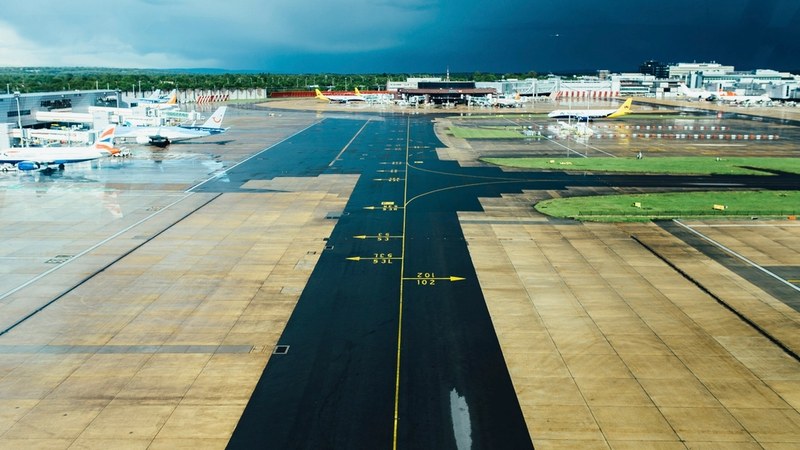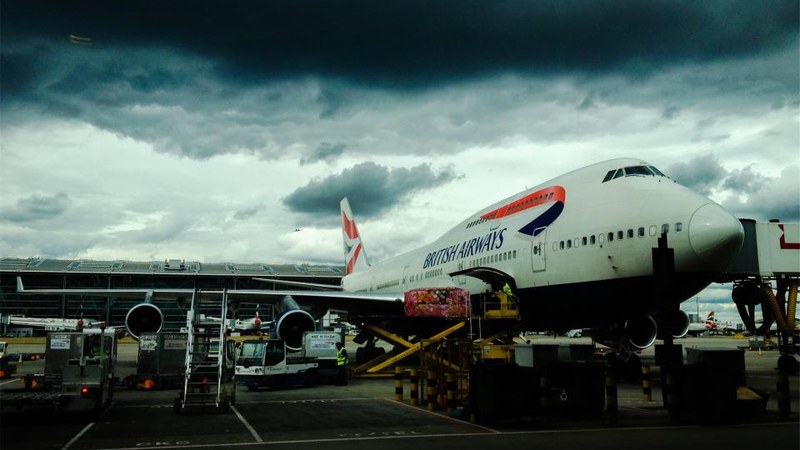
A fast-moving storm system triggered flight disruptions across nine major US airports on November 10, 2026. The storm caused ground delay programs, arrival restrictions, and operational challenges due to low ceilings, reduced visibility, gusty winds, rain, and embedded thunderstorms.
Among the airports affected, Seattle–Tacoma International and New York LaGuardia saw formal ground delay programs during the day. Boston Logan and at least four other airports in the northern tier also enforced ground delay programs earlier in the day. Overall, the storm caused over 1,600 flight delays and more than 300 cancellations nationwide.
Weather and Operational Causes
The storm system extended from the Pacific Northwest
through the Upper Midwest into the Northeast, bringing conditions that forced arrival rate reductions to maintain safety. Seattle–Tacoma experienced low ceilings and visibility issues during morning hours, while New York LaGuardia faced slower arrivals due to gusty surface winds and scattered showers. Chicago and Detroit reported holding patterns and reroutes amid rain bands affecting inbound traffic.
The National Weather Service Aviation Weather Center forecast showed a band of disturbed weather across this corridor causing periodic drops below visual flight minimums. Congested airspace at busy airports, particularly during morning and late afternoon peak periods, compounded the delays and prompted ground delay
programs to limit arrivals.
Cascading Effects on Flight Schedules
Delays and cancellations at the nine major hubs propagated further disruption across the national airspace system. Flights operating through Seattle, New York, Boston, Chicago, and Detroit experienced knock-on effects as delayed arrivals affected connecting flights and crew rotations. This ripple effect extended to secondary airports, causing additional delays outside the immediate storm-impacted region.
On a typical day, US airports manage over 45,000 flights. The FAA’s 2024 data indicated a nearly 20% increase in ground stops at the 30 largest airports year-on-year, attributing about 10% of national delay minutes to weather and airspace volume constraints. Staffing limits
in air traffic control and ground operations further reduced schedule recovery speed after the storm’s passage.
Passenger Impact and Travel Advice
Passengers traveling through the nine affected airports, including Seattle–Tacoma, New York LaGuardia, Boston Logan, Chicago, and Detroit, faced delays of varying lengths and widespread cancellations. Those with tight overnight connections through these northern hubs may encounter residual disruptions into November 11 due to lingering low clouds and showers.
Carriers are monitoring the evolving weather but have not issued broad system-wide fee waivers, instead opting for targeted passenger reaccommodation. Travel advisories encourage allowing extra connection time, preferring earlier departures, and continuous monitoring of flight status
through airline apps and independent flight trackers.
Passengers affected by cancellations or lengthy delays should consult carrier policies and federal rules regarding rebooking options and possible meal or hotel support, especially when weather-related knock-on effects persist.