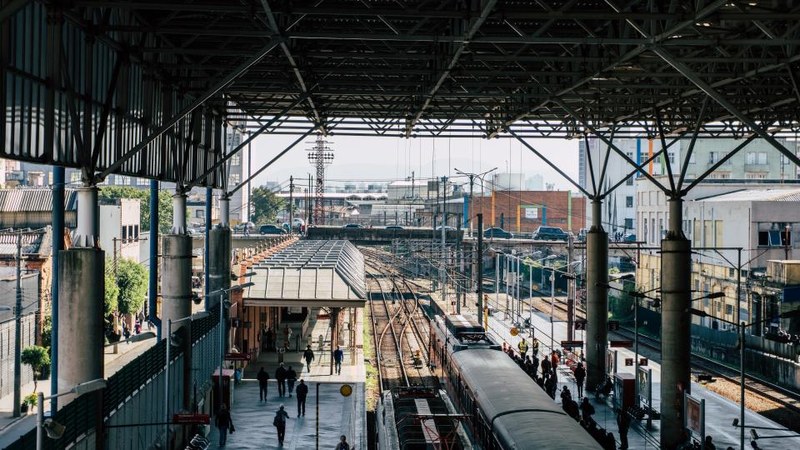
On October 28, 2026, two high-speed trains collided near Urda in Toledo province, Spain, resulting in 69 fatalities. A Renfe train struck the rear of a stopped Iryo passenger train on the Madrid–Seville corridor, marking one of the deadliest rail disasters in the country in recent years.
Adif, Spain’s rail infrastructure manager, confirmed that the collision occurred at kilometer 118 between Mora, Orgaz, and Urda. The incident prompted an immediate suspension of the Madrid–Andalusia high-speed rail line, which serves as a key route connecting Madrid to southern Spain, carrying business travelers, families, and tourists.
Service Suspension and Planned Reopening
The Madrid–Andalusia high-speed rail services remain
suspended following the crash. Authorities announced plans to resume operations approximately 10 days after court clearance, with trains operating on a reduced timetable during the initial phase. Assistance points for affected passengers were established at major stations in Madrid, Seville, Córdoba, and Málaga.
Official Response and Investigation Status
Six days after the accident, the Spanish transport minister resigned, a decision confirmed by multiple official sources. Prime Minister Pedro Sánchez committed to a thorough investigation and pledged government efforts to restore public confidence in rail safety. The independent technical inquiry, conducted under European railway-safety regulations, will focus on the factors leading to the collision, examining signaling,
communications, operational decisions, and infrastructure performance. No final conclusions or assignments of liability have been released.
Background on Spain’s Rail System and Previous Accident
Spain operates one of Europe’s largest high-speed rail networks and ranks second worldwide after China. The Madrid–Seville corridor is a prominent route within this system. This October collision occurred nine months after a separate fatal accident in January 2026 near Adamuz in Andalusia, which resulted in 46 deaths. Both incidents have intensified scrutiny of Spain’s rail safety and infrastructure management.
International Victims and Consular Support
The victim count includes four American citizens among the 69 deceased. By October 31, authorities had identified 66 victims, with three still unaccounted for.
Other identified victims include nationals from Canada, France, Japan, Argentina, Mexico, Portugal, Tunisia, and the Czech Republic. The U.S. State Department is collaborating with Spanish officials to assist American families affected by the crash.
Families of victims have faced challenges due to the international nature of the incident, including coordination with consular services and travel arrangements to Spain. Victim identification continues as emergency and forensic teams finalize recovery operations.
Authorities caution that the cause of the collision remains under investigation. Critical aspects such as signaling system status, communication performance, and operator decisions on the day of the crash have yet
to be established. Speculation regarding causes or future safety measures is premature without the completion of the technical inquiry.