International tourist arrivals in South Africa rose by 12.3% in the first half of 2026, with June 2026 alone seeing 1,085,557 foreign arrivals classified as visitors, according to data from Stats SA. Of these arrivals, 1,056,076 were visitors and 29,481 were non-visitors, including 232,711 same-day visitors and 823,365 overnight tourists.
June 2026 Arrivals by Region and Market
Visitors from the Southern African Development Community (SADC) made up 668,770 of the arrivals in June, representing the majority of regional tourists. Other African countries accounted for 12,007 visitors, with most coming from Kenya, Ghana, and Nigeria. Overseas tourists numbered 141,796 in June, with the United States leading the overseas
source markets at 40,566 arrivals.
Year-on-year comparisons for June 2026 reveal declines in tourists from the Middle East (-19.7%), Asia (-14.8%), and North America (-2.1%). Conversely, arrivals increased from Australasia by 13.2%, Central and South America by 13%, Africa by 12.1%, and Europe by 3.9%.
Tourism Income and Travel Cost Impact
Total income for South Africa’s tourist accommodation sector rose by 2.5% year-on-year in May 2026 at current prices. Excluding receipts from restaurants and bars, income from accommodation increased by 2.2%. The rise in travel costs resulting from higher jet fuel prices linked to the Middle East conflict since March 2026 has not hindered arrival growth.
Expanded Airline Connectivity
Latam Airlines launched a direct flight route connecting Cape Town and São Paulo, Brazil, targeting growing tourism markets in South America. Turkish Airlines announced it will increase its service frequency between South Africa and Turkey to 20 weekly flights starting October 2026. Specifically, Turkish Airlines will operate 10 weekly direct flights between Istanbul and Johannesburg and 10 between Istanbul and Cape Town, up from seven flights each currently.
Government Statements and Sector Resilience
Minister Patricia de Lille attributed the arrival growth to government investments in tourism infrastructure, accessibility improvements, and product diversification. She said, “South Africa’s greatest competitive advantage lies in the combination of our
people, our natural beauty, our rich heritage and our world-class infrastructure. Together, they continue to position our country as a destination of choice.” De Lille also emphasized ongoing marketing efforts, stating, “We will continue strengthening these relationships through joint marketing initiatives across the African continent while expanding our reach into strategic overseas markets.”
Investec economist Lara Hodes highlighted tourism as a key economic driver in South Africa, saying, “Indeed, tourism continues to be a critical driver of economic growth and employment in South Africa.” She pointed to visa reforms, improved air connectivity, safety initiatives, and infrastructure investment as contributors to
the sector’s positive trajectory.
Tourism Sector Context and Regional Dynamics
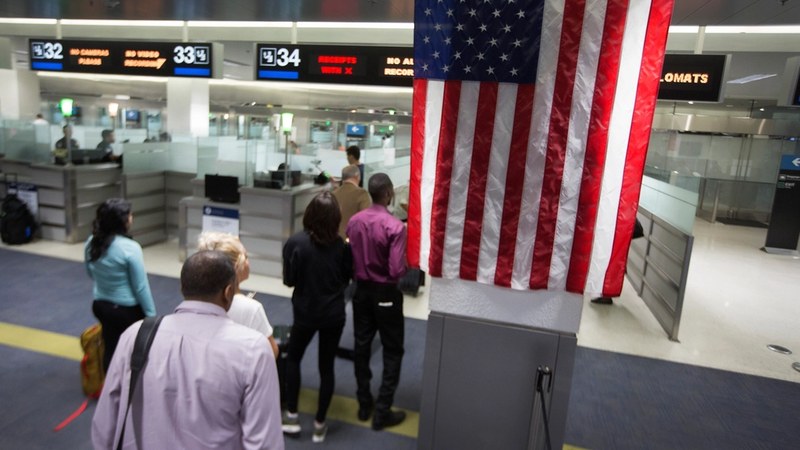
Nearly 2.8 million travellers passed through South Africa’s ports of entry or exit in June 2026, including more than 715,000 South African residents and almost 2.1 million foreign travellers. The tourism sector’s resilience is evident despite a rise in travel costs caused by geopolitical tensions in the Middle East. Holiday purposes accounted for 97.3% of all tourists in June.
The steady visitor numbers from SADC countries suggest that regional tensions and anti-immigrant protests have had minimal effect on visitor arrivals from neighbouring nations. Growth has been driven by targeted market development, expanded airline routes, and joint
marketing strategies to increase access and diversify offerings nationwide.