The Federal Aviation Administration (FAA) has enforced daily limits on arrivals and departures at Chicago O’Hare International Airport for the Summer 2026 scheduling period, running from May through late October. This measure restricts the number of flights airlines can operate each day to alleviate peak-hour congestion on the airport’s runways and taxiways.
FAA capacity caps address overscheduling and persistent delays that occurred earlier in 2026, aiming to reduce the strain on the airfield during the busiest travel months.
FAA Flight Controls and August Weather Impact
Ground stops and ground delay programs managed by the FAA’s traffic management center are anticipated throughout August 2026, especially on Fridays and
Sundays when travel demand peaks. August is a period historically prone to thunderstorms in northern Illinois, increasing the likelihood of operational disruptions such as arrival metering and temporary ground halts to manage traffic flow.
These FAA actions mean flights bound for O’Hare may face extended delays both on the ground at departure airports and after arrival, despite the reduced schedule volume due to caps.
O’Hare Construction Effects on Airport Operations
Ongoing construction as part of O’Hare’s Terminal Area Plan modernization will continue through 2026, impacting taxiway capacity and ramp operations around the central terminal area. Although runway closures are not expected in August 2026, altered ground
routes and reduced taxiway access will complicate aircraft movements, increasing taxi times and surface congestion during busy periods.
The construction work affects pushback and taxi efficiencies, which can trigger further FAA traffic flow restrictions during peak weekend travel when combined with tightly scheduled flight banks.
Ground Delay Programs and Previous 2026 Disruption
Earlier in 2026, heavy thunderstorms and equipment issues led to multi-hour ground delay programs at O’Hare, with some flights held at their origin airports for over two hours before departure. These events highlight the airport’s vulnerability to surface network saturation under high traffic demand and constrained ground operations.
The FAA’s traffic management practices prioritize slowing
arrivals and enforcing ground stops during these times to manage capacity safely and reduce gridlock on ramps and taxiways.
United Airlines and Schedule Adjustments
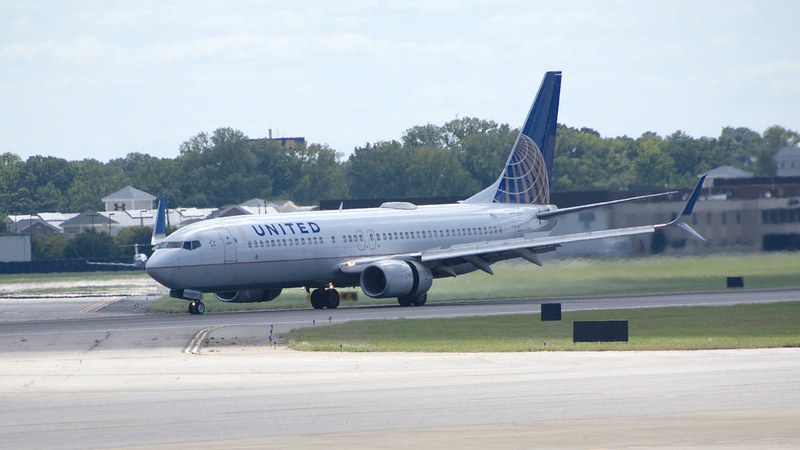
To comply with FAA flight caps, United Airlines has reduced regional routes feeding Chicago O’Hare, particularly affecting service to smaller cities in the Midwest and Great Lakes regions. This strategy favors mainline flights on busy weekend schedules but decreases scheduling redundancy and alternative routing options for passengers.
Reduced frequencies increase the risk of missed connections during peak weekend travel when disruption is likely, compounded by fewer backup flight options available to affected travelers.
Travelers connecting through O’Hare in August 2026 should
expect delays, prolonged gate holds, and possible rolling rebookings on Fridays and Sundays, coinciding with high passenger volumes and thunderstorm activity. Longer taxi-out times and frequent FAA arrival metering will remain common.
Passengers are advised to allow extra connection time and consider earlier flights to reduce disruption risk. Alternative nonstop routes that avoid O’Hare may mitigate exposure to ground stops during peak periods.
National staffing shortages in air traffic control and summer weather volatility continue to challenge operational reliability at O’Hare through 2026. Although long-term infrastructure and procedural improvements are underway, these will not significantly alter operational constraints during August
2026.