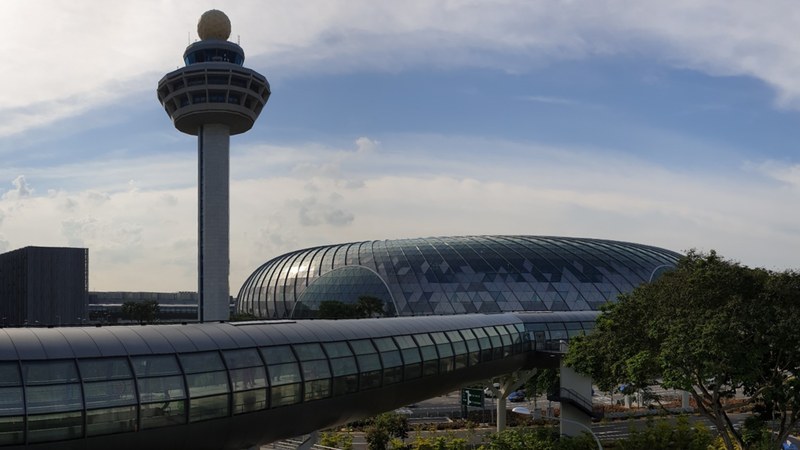
Smoke detected inside the apron management unit tower at Toronto Pearson Airport on the night of October 20, 2026, prompted an immediate evacuation of the facility. The apron tower, operated by the Greater Toronto Airports Authority (GTAA), handles ground movement of aircraft around gates and loading zones, a function separate from NAV Canada’s air traffic control operations.
Flight Delays Follow Apron Tower Evacuation
The evacuation caused a temporary suspension of apron ground control, resulting in delays for both arriving and departing flights at Canada’s largest airport. An air traffic management protocol was implemented during the disruption to manage aircraft movements, leading to slower traffic flow and
impacted schedules during the late evening period of October 20.
Official Reports on Tower Operations and Communication
NAV Canada confirmed that its main air traffic control tower at Toronto Pearson was not evacuated and maintained standard operations throughout the incident. Communications between pilots and NAV Canada air traffic controllers remained uninterrupted during the apron tower evacuation. Air Canada identified the event as a ‘safety incident’ related to the GTAA-operated apron management unit, which affected multiple flights beyond the airline’s control.
Operations Resumed and Passenger Guidance
Following the evacuation, GTAA staff returned to the apron management unit tower and reinstated ground operations. Passengers at Toronto Pearson were advised to monitor their flight status
directly through their respective airlines due to the continuing delays tied to the temporary disruption of ground control services. Air Canada reaffirmed that its teams were working to minimize the delay impact on affected travellers.
Context on Airport Ground Control Roles
The incident highlights the distinct roles of apron management versus air traffic control at a major hub. While NAV Canada safely manages aircraft in the airspace, runways, and taxiways, the GTAA apron management unit controls aircraft movement around gates and loading areas. Disruption of the apron tower’s functions can delay aircraft turnarounds and gate movements, affecting the overall throughput of the airport despite uninterrupted pilot-controller
communications.