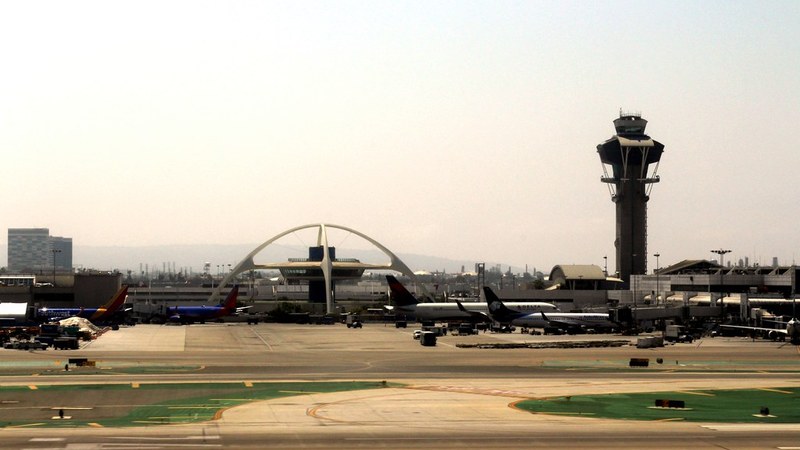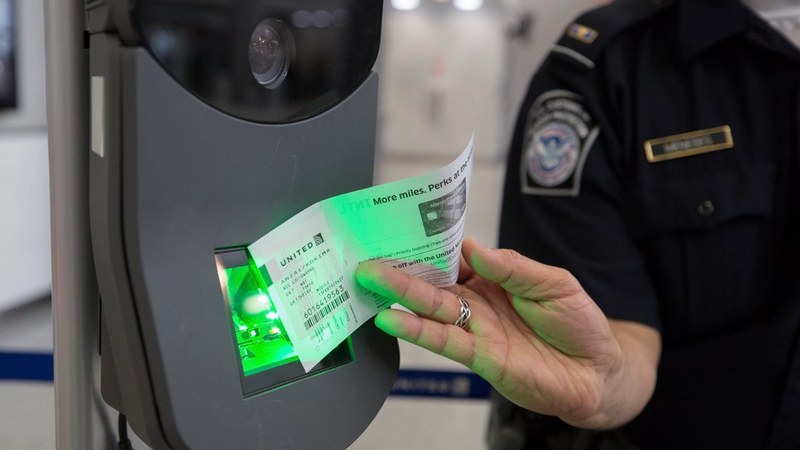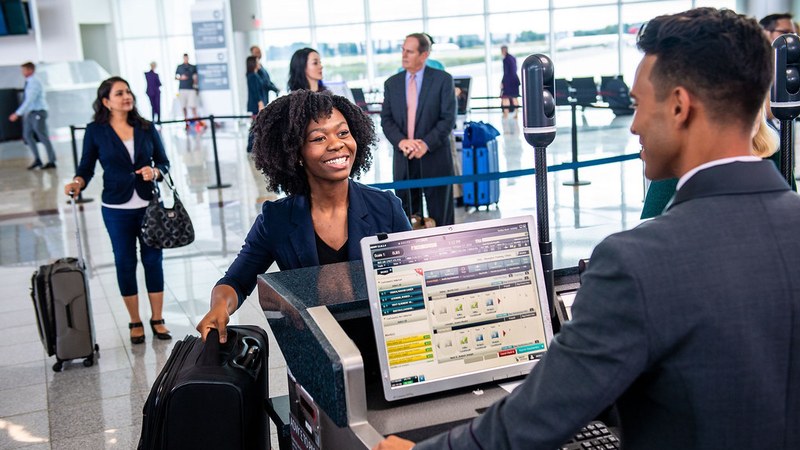
SITA and Qatar Airways inaugurated the Fast Pass biometric system at Hamad International Airport (Doha, Qatar) on July 20, 2026. The platform integrates over 700 biometric touchpoints, enabling an end-to-end facial recognition journey that covers check-in, bag drop, security, and boarding.
Passengers enrolling in Fast Pass can register once through the Qatar Airways mobile check-in app or at on-site self-service kiosks. Enrollment takes only seconds, after which a passenger’s face replaces their boarding pass across all major airport checkpoints.
Biometric Deployments Across Middle Eastern Airports
Dubai International Airport (DXB) has enhanced passenger flow with the Red Carpet Smart Corridor, processing more than 10 travelers simultaneously using
Paravision’s facial biometrics in partnership with emaratech. Emirates Airline equipped DXB with over 200 biometric boarding cameras in 2017 to enable facial recognition boarding.
Abu Dhabi’s Zayed International Airport employs facial recognition biometrics at five of its nine passenger touchpoints, while Etihad Airways is trialing facial identity verification for boarding and lounge access.
Al Maktoum International Airport, currently under construction near Dubai, plans to implement an interconnected biometric ecosystem supported by AI-powered analytics to personalize services and optimize passenger flow.
Passenger Volumes Driving Biometric Innovations
Dubai International Airport was the busiest airport by international passenger traffic in 2025, handling more than 95.2 million travelers. According
to Majed Al Joker, COO of Dubai Airports, the volume demands “consistent, measurable improvements in how guests move through our terminals.” The International Air Transport Association (IATA) estimates biometric verification reduces passenger processing times by up to 40% compared to manual methods.
Biometric Systems in Asia and Africa
Nursultan Nazarbayev International Airport in Kazakhstan will trial biometric passenger registration, enabling self-service operations like flight check-in and document handling with electronic passports.
Noi Bai International Airport in Vietnam recently introduced biometric check-in kiosks at Terminal T1, processing roughly 2,000 to 3,000 passengers daily. This system synchronizes biometric data across the terminal to speed clearance through security and
boarding gates.
In Nigeria, the Federal Airports Authority of Nigeria (FAAN) is deploying the V-Pass biometric identity verification platform developed with Verxid Technologies and Barnksforte Technologies. The system incorporates facial recognition and a Central Management System to monitor passenger movements and facilitate future integrations.
Industry Trajectory and Challenges
SITA’s Selim Bouri, president for Middle East, Africa & Türkiye, stated, “When a passenger is verified once and recognized across the whole journey, the airport runs more smoothly and the traveler stays in control of their data.” He described Hamad International Airport’s rollout as a model for future biometric travel based on trust.
The biometric market
is projected to reach $150.58 billion by 2030, and the airport biometric services market is expected to hit $276.56 billion by 2032. By 2027, three-quarters of airports globally are forecast to use biometric technologies throughout the passenger journey.
Despite technological advances, Asian Aviation reports challenges remain around governance, liability, funding, and ownership of biometric systems, limiting the deployment of scalable, interoperable models. Juniper Research projects global adoption of Digital Travel Credentials to exceed 1.2 billion passengers by 2035, underlining the significance of a trusted and interoperable biometric ecosystem.