Several Schengen countries are experiencing extended delays at borders following the implementation of a new Entry-Exit System (EES). This system has led to multi-hour waiting times impacting more than 40 million travelers, including visitors from the UK, US, Canada, and Australia, in 2026.
European Nations Face Increasing Tourism Pressure
Germany has recently joined Portugal, France, Spain, Poland, Switzerland, and the Netherlands among the countries enforcing the EES, adding to the existing strain on border controls. The World Travel & Tourism Council (WTTC) has advised that these delays pose significant risks to tourism arrivals and the economic benefits they generate across the region.
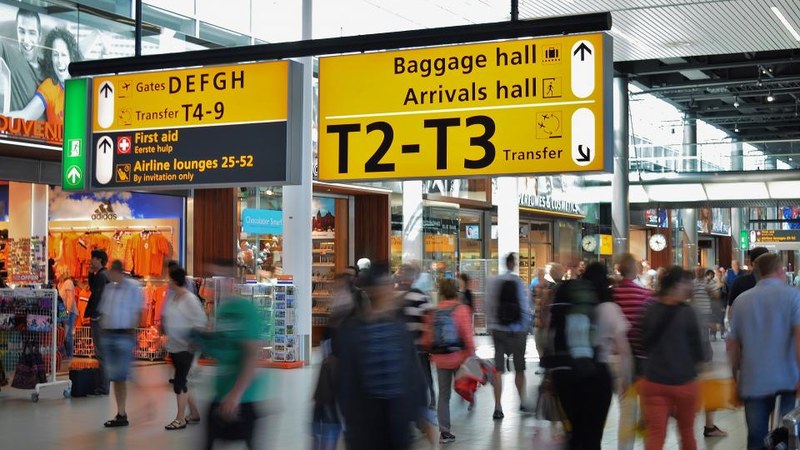
Travelers entering Schengen countries
are reporting widespread disruptions characterised by long queues and extended processing times. Border authorities are managing heightened operational challenges in adapting to the new system, which is designed to enhance security and data collection for non-EU visitors.
While specific information on delay durations or measures to alleviate the situation have not been disclosed, the evolving situation underlines substantial challenges within European border management. The WTTC’s warnings highlight the need for careful monitoring as the tourism sector navigates the effects of these changes throughout 2026.