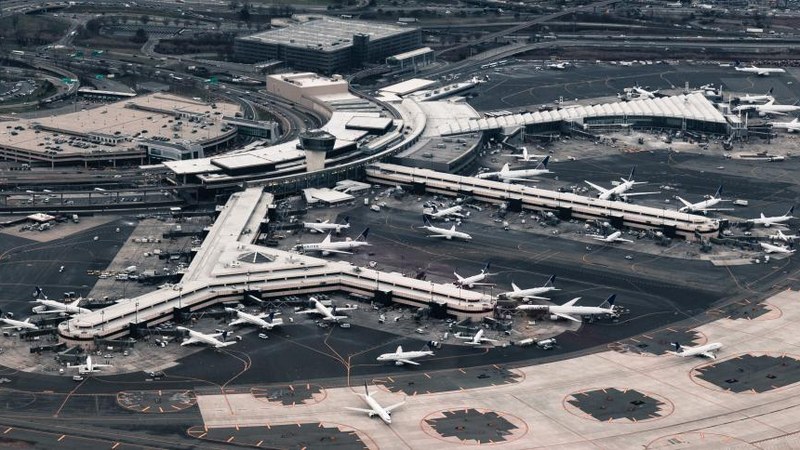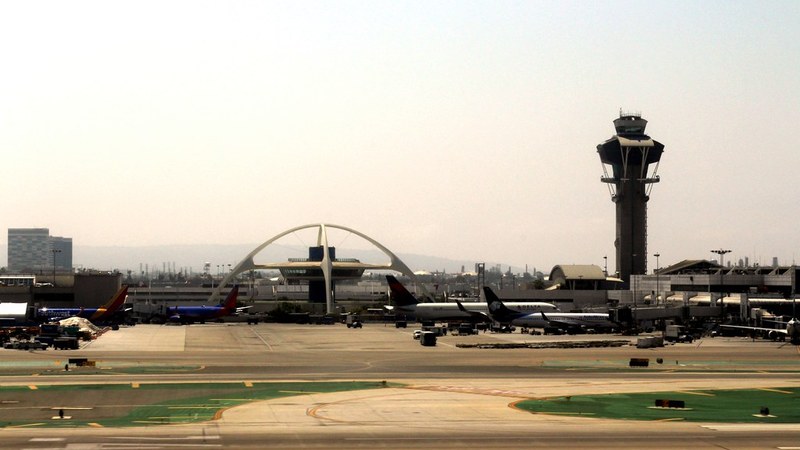
The Federal Aviation Administration (FAA) enforced ground stops and departure delays for the third consecutive day on 26 July 2026 at a major U.S. airport, leading to the highest concentration of flight cancellations nationwide during this period. The airport, a central hub for one of the country’s largest carriers, remains the single largest source of domestic flight disruptions amid the busy summer travel season.
Operational Impact of Ground Stops and Delay Programs
Repeated use of FAA ground stops and ground delay programs has routinely paused or slowed departures, causing significant bottlenecks at gates and taxiways. Many flights at the airport operate as through services with shared aircraft and
crews; thus, a single delayed departure can cause cascading cancellations or extensive delays across multiple flights. Airline scheduling disruptions linked to this airport have had ripple effects across the carrier’s broader network, including feeder and regional routes nationwide.
Causes Behind Continued Ground Stops
Convective weather, specifically thunderstorms in key arrival corridors, remains the primary trigger behind the FAA’s ongoing ground stops. These weather conditions reduce airport capacity by forcing aircraft onto longer routes and closing approach paths, sharply limiting the number of planes that can land or depart hourly. Compounding these constraints are heavy traffic volumes and limited air traffic controller availability at critical facilities,
which restrict capacity to manage surges or weather-related reroutes safely. Staffing shortages at air traffic control centers also elevate the likelihood of extended ground interventions, further impacting airline scheduling and operational flow.
Passenger Effects and Regulatory Framework
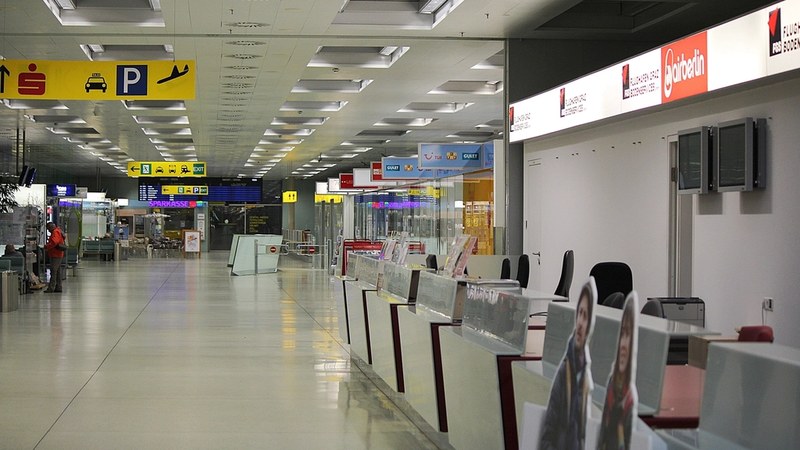
Passengers face widespread cancellations, crowded gate areas, and long customer service lines throughout the affected airport and its regional spokes. Rebooking remains difficult as many flights are near full capacity during peak travel. Smaller regional airports connected to the hub frequently experience fewer rebooking options and prolonged waits due to prioritization of trunk routes over feeder flights. U.S. regulations require airlines to provide refunds when flights are canceled
or significantly altered if passengers opt not to travel. However, there is no federal mandate for cash compensation related to delays, leaving passenger relief largely at airlines’ discretion through rebooking alternatives, meal vouchers, and hotel accommodations.
Context Within U.S. Aviation System Challenges
This multi-day disruption highlights persistent vulnerabilities in the U.S. air travel system during peak demand. Recent summers have seen similar breakdowns at major hubs resulting from severe weather, technology outages, and controller staffing shortages. While overall US flight cancellations have trended downward in recent years, concentrated events at a single hub still create extensive nationwide operational fallout. Current policy discussions emphasize increasing certified air
traffic controllers, modernizing airspace management technologies, and aligning airline schedules more closely with airport capacities to reduce the severity and frequency of such disruptions.