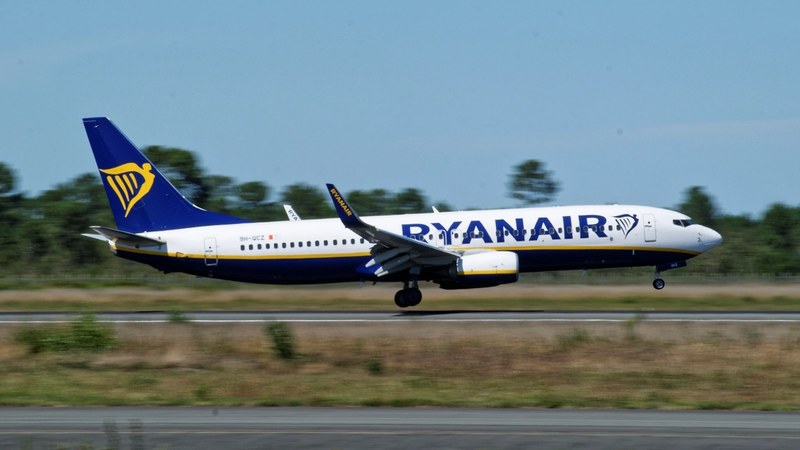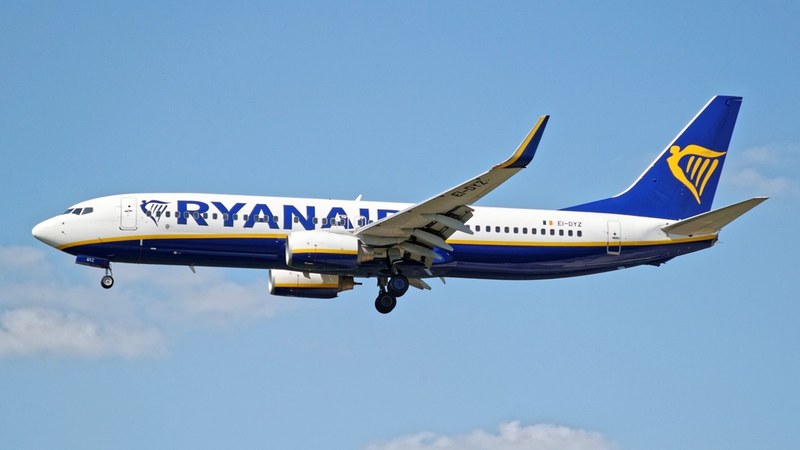
Ryanair confirmed the cancellation of over 1,000 flights across UK airports on October 3, 2026, due to repeated failures in the UK air traffic control system.
Major UK Airports Impacted by System Outages
The disruptions affected major UK airports including Heathrow, Gatwick, Manchester, and Stansted. On September 8, 2026, more than 1,300 flights were grounded at these airports alone, with aviation analytics firms recording over 2,000 flights delayed or cancelled across that two-day period.
Passenger Traffic and Capacity Plans
Despite these disruptions, Ryanair carried 20.1 million passengers on over 111,700 flights throughout September 2026, marking a 4% increase compared to the prior year. Meanwhile, Wizz Air reported a 24% rise to 7.78
million passengers during the same period. However, Wizz Air announced plans to reduce its capacity by 5% later in 2026 due to rising jet fuel prices and pressures from ongoing conflicts in the Middle East.
Official Responses and Background Causes
National Air Traffic Services (NATS) Chief Executive Martin Rolfe apologized for the September 8 outage on BBC Radio 4, attributing it to a “spurious flight plan” and emphasizing that safety was never compromised. Rolfe stated, “Things do go wrong in complex systems,” and ruled out any cyberattack as the cause.
Ryanair Chief Operating Officer Neal McMahon sharply criticized Rolfe, calling him an “overpaid failure” and
calling for his resignation. Transport Secretary Heidi Alexander summoned NATS chairman Sir Warren East for urgent talks following the disruptions.
The September 2026 air traffic system failures followed a similar collapse in August 2023, when a single French flight plan caused widespread disruption affecting approximately 700,000 passengers. Additional pressure arose from Belgian air traffic controller strikes and volcanic ash clouds from Mount Etna. Later in September, connectivity issues at the NATS Scottish control centre in Prestwick led to further flight cancellations across British airspace.
Government officials are seeking assurances on the resilience of UK air traffic control infrastructure to prevent
future collapses and protect flight schedules across the country.