A critical communication failure in Philadelphia air traffic control on September 21, 2026, forced the Federal Aviation Administration (FAA) to impose broad flight restrictions across the New York metropolitan area. The disruption affected multiple regional airports and halted numerous flights for safety reasons.
Flight Restrictions Expanded Across Regional Airports
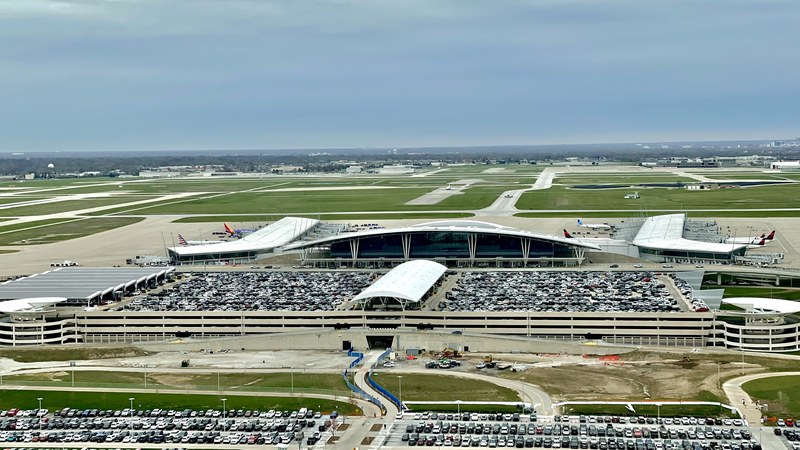
Ground stops were enacted around 10:00 local time at Newark Liberty International Airport, Teterboro Airport, and Philadelphia International Airport, pausing departures headed to these airports. Later, the FAA expanded restrictions to John F. Kennedy International Airport and LaGuardia Airport. By approximately 15:00 local time, full ground stops at JFK and LaGuardia were eased into controlled ground delay
programs to manage arriving traffic. Newark and Teterboro airports continued operating under severe limitations into the late afternoon.
Cause and FAA Safety Measures
The incident originated from a breakdown in vital communications channels—either voice or data—within Philadelphia air traffic control. This loss hampered controllers’ ability to safely space and route aircraft. To maintain safety during the outage, the FAA immediately limited the volume of incoming flights into the affected airspace. Aircraft were held at departure points while technical teams worked to restore communications.
Passenger and Airline Impact
Thousands of passengers experienced delays and cancellations across the five affected airports: JFK, LaGuardia, Newark, Philadelphia, and Teterboro. Airline operations were disrupted
due to cascading cancellations and crew delays, complicating schedule recoveries. Flight traffic resumed gradually through the use of ground delay programs, but full recovery was pending as airlines repositioned resources.
An FAA spokesperson emphasized, “These ground restrictions are essential steps to keep the skies secure while full system capabilities are restored.” The agency also stated that safety remains the top priority while technical experts work to resolve the issue.
The breakdown underscores the fragility of aging air traffic control infrastructure in managing dense flight volumes in the Northeast corridor.