On July 16, 2026, severe weather disruptions led to 3,636 flight delays and 83 cancellations across multiple US states including Texas, Illinois, Washington, Minnesota, Ohio, and Kentucky.
Major Airport Disruptions Centered in Texas and Midwest
Dallas-Fort Worth Airport suffered the highest delays nationwide with 693 flights delayed, making it the most affected hub. Reagan National Airport reported 173 delays and the highest cancellation count among airports with 19 flights cancelled. Chicago O’Hare Airport registered 260 delays and 9 cancellations, while Seattle-Tacoma International recorded 115 delays and 3 cancellations. Minneapolis-Saint Paul saw 87 delays and 4 cancellations, contributing to disruptions in the Midwest and Pacific Northwest.
Airline Operational Impact
American Airlines experienced
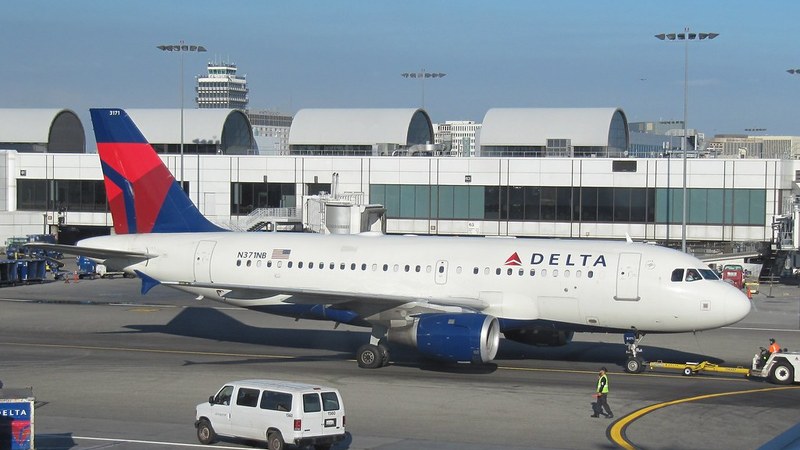
the greatest number of delays at 577 flights and 7 cancellations, predominantly operating through Dallas-Fort Worth. United Airlines reported 311 delays and 13 cancellations, followed by SkyWest with 292 delays and 4 cancellations. Delta Air Lines recorded 273 delays and 3 cancellations. PSA Airlines faced 179 delays alongside 19 cancellations, the highest cancellation figure among the carriers involved.
FAA Ground Stops and Operational Effects
The Federal Aviation Administration issued a ground stop on the afternoon of July 16 for flights heading to Dallas-Fort Worth and Dallas Love Field airports. This measure temporarily prevented departures to these hubs until weather conditions improved, after which the restrictions were
lifted. Despite the removal of the ground stop, Dallas-Fort Worth faced an average departure delay of 45 minutes, with cascading schedule disruptions impacting national connecting flights.
Severe Weather Conditions in Texas
Heavy thunderstorms battered Texas on July 16, delivering more than 12 inches of rainfall in parts of the Texas Hill Country west of San Antonio. This caused widespread flash flooding and evacuation orders. Forecasters expected an additional 4 to 8 inches of rain through Thursday morning. Furthermore, a tornado touched down near Interstate 10 northwest of San Antonio, compounding disruptions at Dallas-Fort Worth. These extreme weather events severely affected airport operations and flight scheduling
in the region.
Ripple Effects Across the National Network
The disruptions at Dallas-Fort Worth created ripple effects across the United States, influencing flight operations at Chicago O’Hare, Reagan National, Seattle-Tacoma, Minneapolis-Saint Paul, John Glenn Columbus, and Cincinnati/Northern Kentucky airports. Travelers experienced extended flight delays, cancellations, and uncertainty as airlines managed the impact on aircraft rotations and crew schedules.
Weather-Driven Cascading Flight Impacts
The episode on July 16 demonstrated how severe weather at a major hub like Dallas-Fort Worth can cascade to affect air travel nationwide. Airlines including American, United, Delta, SkyWest, and PSA faced significant operational challenges. The nationwide flight delays and cancellations highlight ongoing vulnerabilities in US air traffic
operations when confronted with sudden severe weather conditions.