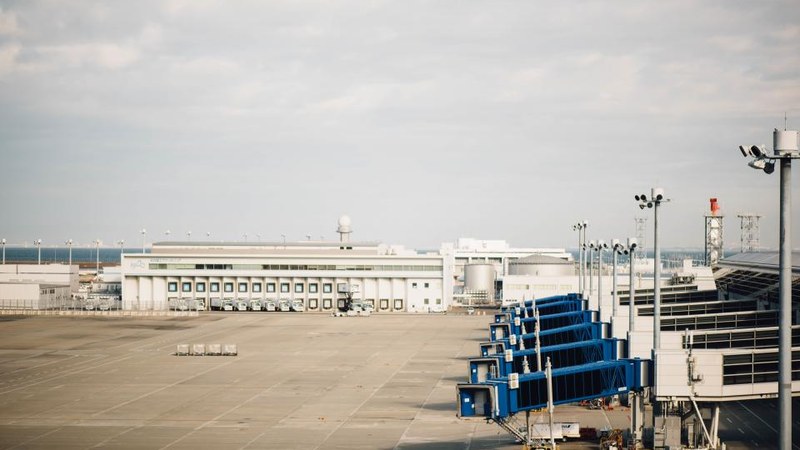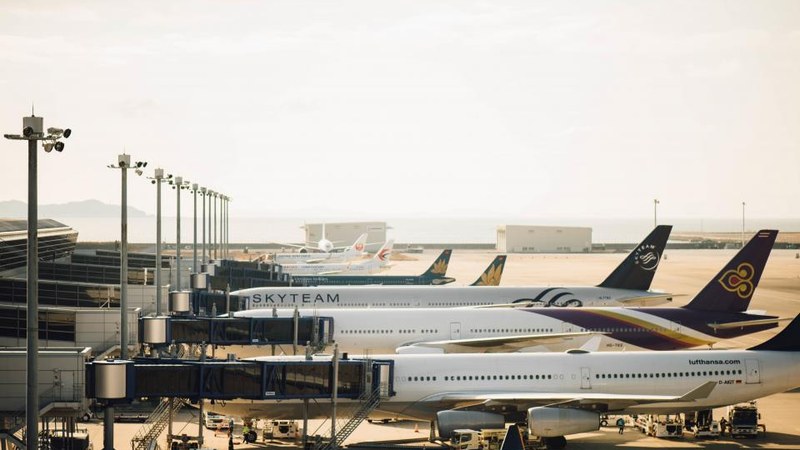
More than 100 departing flights were canceled at Newark Liberty International Airport on the morning of July 21, 2026, as severe thunderstorms disrupted operations across the New York metropolitan area. The cancellations affected hundreds of travelers and caused widespread delays throughout the Northeast and Midwest regions.
Storm Conditions Halt Ground Operations and Cause Delays
A stalled weather system brought heavy rain and frequent lightning to North Jersey and the surrounding region, leading the Federal Aviation Administration (FAA) to halt all ground operations at Newark Liberty International Airport on Monday night. The lightning hazards made it unsafe for ramp personnel to work outdoors, preventing aircraft from departing or parking
at gates and creating a backlog that extended into the next day.
Arriving flights were forced to wait on taxiways, with some passengers remaining aboard planes for over seven hours. These disruptions spread into the national air traffic system, triggering flight delays and cancellations beyond Newark across the Northeast and Midwest United States.
Passenger Impact and Refund Policies
Hundreds of travelers faced extensive wait times due to gate holds and flight cancellations at Newark and nearby airports. United Airlines, JetBlue, and American Airlines, major carriers operating at Newark, issued travel waivers allowing affected customers to change their flights without incurring fees.
Passengers whose flights were
canceled retain the right to receive full cash refunds under U.S. Department of Transportation regulations. The extended ground delays left some travelers aboard aircraft for more than seven hours as the backlog persisted.
FAA and Airlines Monitor Conditions as Operations Recover
The FAA and airlines continue to monitor the evolving weather and air traffic conditions while resuming airport operations. Officials urge passengers to verify their flight status in light of ongoing adjustments to schedules. Travel disruptions from the stalled weather system remain significant but operations are gradually improving.