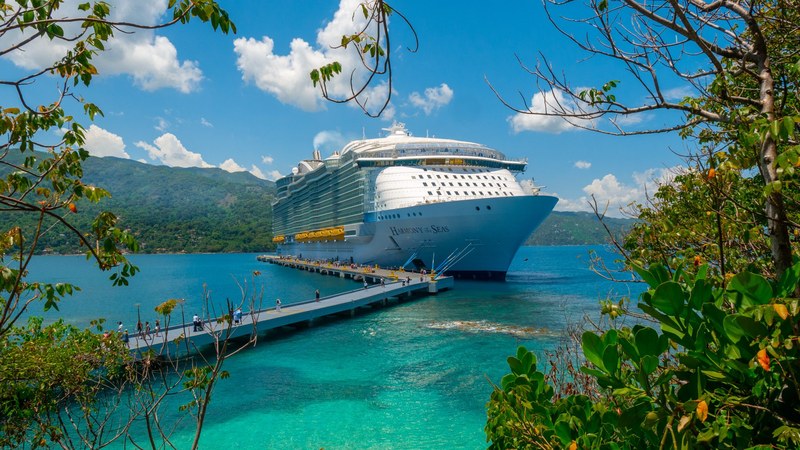
Norwegian Cruise Line Holdings currently operates 35 vessels across its Norwegian Cruise Line, Oceania Cruises, and Regent Seven Seas brands, with 21, 8, and 6 ships respectively. The company has committed nearly $20 billion to a fleet modernization program that includes 16 new ships scheduled for delivery by 2037. Additionally, five older ships are planned to exit the fleet between 2026 and 2028.
Planned Ship Retirements, Charters, and Sales
Norwegian Cruise Line will hand over its two oldest ships to India-based Cordelia Cruises under 10-year bareboat charters. The 77,000 gross ton Norwegian Sky, launched in 1999 with approximately 1,900 berths, will be delivered in the coming
weeks and relaunch as Cordelia Sky. Its sister ship, Norwegian Sun, launched in 2001, is set for delivery in 2027 and will become Cordelia Sun. Regent Seven Seas’ oldest vessel, Seven Seas Navigator, was intended for conversion into a residential ship but that plan was canceled. Instead, the Avora Lumina will debut in 2028 under a nine-year lease as part of a residential cruise program associated with Villa Vie Residences. Oceania Cruises is removing older ships through various arrangements: Oceania Regatta will begin a two-year charter for an Australian tour company in late 2026, Oceania Sirena has been sold with
delivery slated by September 30, 2026, and will remain on charter through spring 2028. A planned residential agreement for Oceania Insignia was canceled.
Rebranding and Fleet Repositioning for Luxury Market
Oceania Nautica is undergoing a comprehensive transformation to become Oceania Aurelia in 2027, targeting the luxury long cruise market. Its total cabins will reduce from 340 to 238, with 179 cabins converted to suites to enhance the onboard experience. Norwegian Cruise Line is preparing to launch Norwegian Aura, its largest ship at 170,000 gross tons, in 2027, followed by a sister ship in 2028. Between 2030 and 2037, five ultra-large ships of 227,000 gross tons each are
planned. These fleet changes align with deliberate moves to sharpen brand positioning and improve commercial performance across NCLH’s portfolio.
Executive Statements on Strategy
Norwegian Cruise Line Holdings has underscored its fleet optimization focus in investor filings, describing it as “addressing older vessels and enhancing long-term efficiency.” CEO John Chidsey stated that the strategy emphasizes “sharpening brand positioning, elevating the product and guest experience, and strengthening commercial performance over time.” CFO Mark Kempa clarified that the approach prioritizes improving fleet quality rather than merely increasing capacity.
Industry Context and Background
Compared to other major cruise lines, NCLH’s orderbook for 16 ships through 2037 is one of the industry’s most
ambitious, second only to MSC Cruises in berth additions. While Carnival and Royal Caribbean have sold older ships during the pandemic without clear retirement plans for additional vessels, NCLH is actively enhancing its fleet by decommissioning or chartering older ships, repositioning assets, and engaging in brand refinement. These actions respond to pressure from aging fleets and escalating environmental regulations that influence ship replacement decisions in the cruise industry.
Historically, cruise lines replaced ships after about 20 years in service, but this has extended due to rising costs and diminished secondary markets for older vessels. NCLH’s ongoing modernization program reflects a
strategic response to these factors, intending to ensure long-term operational efficiency and luxury positioning across its brands.