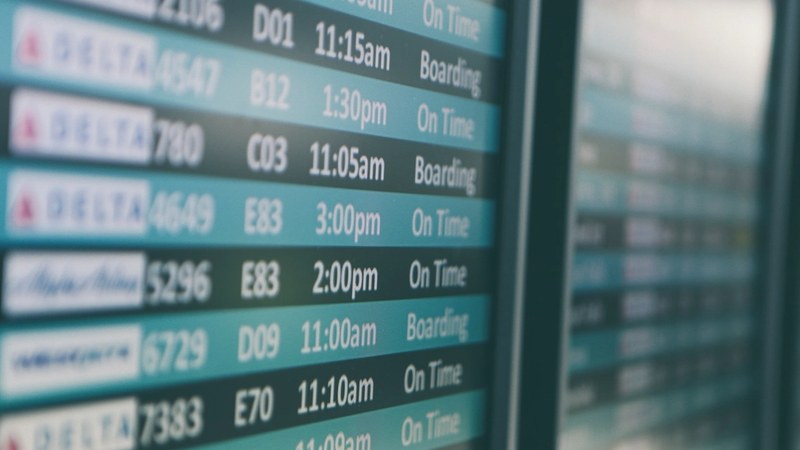
An active air traffic controller strike in Norway on August 24, 2026, caused widespread flight disruptions across Europe, resulting in 150 cancellations and 2,110 delays. Oslo Gardermoen Airport recorded the highest cancellations with 75 flights canceled, followed by 13 cancellations at Bergen Flesland Airport.
Operational Impact on Avinor and European Air Traffic
The strike has directly affected Avinor, Norway’s state-owned airport infrastructure operator. Operational shutdowns at Avinor-controlled terminals triggered a cascading effect, leading to widespread airspace restrictions and closures. Flight tracking data collected on August 23, 2026, at 1:03 pm ET (5:03 pm GMT) shows how disruptions rapidly spread across European air traffic networks.
Luftfartstilsynet reports coordinated delay
logging and active passenger rebooking mechanisms across Schengen transit hubs. Airlines are managing cascading delays by synchronizing operational shutdown protocols and rebooking procedures to stabilize passenger flows amid the strike’s disruption.
Passenger Rights and Travel Alternatives
Under European Union Regulation EC 261/2004, passengers impacted by the strike are entitled to rebooking on alternative flights, meal vouchers, hotel accommodations during overnight delays, and potential compensation depending on the cause of cancellations. Travelers experiencing delays and cancellations are encouraged to verify flight status online to avoid unnecessary airport transfers and parking congestion.
Geographically, journeys under 300 miles within Western Europe—connecting major cities such as Paris, London, Amsterdam,
and Brussels—offer high-speed rail as a reliable alternative to vulnerable short-haul flights disrupted by the strike. This rail infrastructure supports passenger flows amid the air travel bottlenecks caused by controller shortages and labor actions.
Broader Context of European Air Traffic Disruptions
The Norway air traffic controller strike is part of a larger trend of regional industrial union actions combined with systemic controller shortages affecting European airspace in 2026. What previously were minor local walkouts have escalated to continent-wide terminal closures, amplifying bottlenecks due to historically tight flight scheduling assumptions that rely on uninterrupted local operations.
European airlines and airport authorities now face increased pressure to coordinate operational
shutdowns across sovereign borders. This systemic disruption exerts strain on international transit insurance networks, hotel providers, and municipal airport operators. Future efforts are focused on implementing automated passenger rebooking systems, expanding high-speed rail networks, and standardizing air traffic control staffing to improve resilience against strikes and staffing shortages.