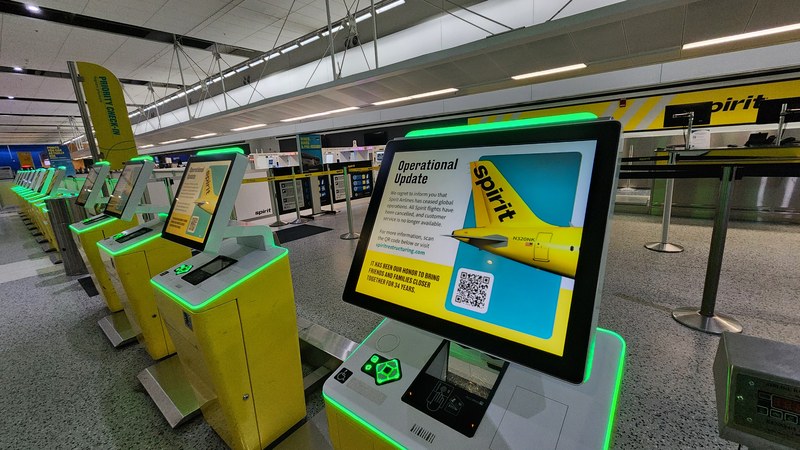
An air traffic controller strike is ongoing today in Norway, triggering 150 flight cancellations and 2,110 delays across European airspace, according to FlightAware data recorded on 23 August 2026 at 1:03 pm ET (5:03 pm GMT). The disruptions continue into 24 August 2026, significantly impacting flights connected to Norwegian airspace.
Norwegian Airports Lead Flight Disruptions
Oslo Gardermoen Airport recorded 75 flight cancellations, the highest number among Norwegian airports, while Bergen Flesland Airport had 13 cancellations due to the strike. Avinor, the state-owned operator of Norway’s airport infrastructure, is directly affected by the strike. Luftfartstilsynet indicated that operational shutdowns at these state-owned terminals coordinated cascading delay
logs to support passenger rebooking across Schengen transit hubs.
Cascade Effect Expands Disruptions Across European Airspace
The strike caused cascading airspace restrictions, leading to airport closures and flight delays beyond Norway, affecting multiple European countries. Regional industrial union actions combined with air traffic controller shortages amplified the disruption, turning local walkouts into continent-wide issues across key air corridors. FlightAware’s tracking data from 23 August 2026 detailed the rapid spread of delays across Western European airspace.
Passenger Rights and Travel Advice
Passengers impacted by the strike are entitled under Regulation EC 261/2004 to rebooking, meals, hotel accommodation during overnight delays, and potential compensation depending on the cause of cancellations. Travelers should verify flight
status online before airport travel to avoid unnecessary emissions and congestion. Digital copies of boarding passes and passenger rights receipts assist in compensation claims. Rail travel is recommended as a reliable alternative for journeys under 300 miles, connecting major cities such as Paris, London, Amsterdam, and Brussels.
Industry Transition Amid Ongoing Transit Challenges
The strike reflects broader challenges in European aviation scheduling and staffing of air traffic controllers amid increased regional industrial union actions. Airlines are coordinating with insurance networks, hotel providers, and airport operators to stabilize passenger flows during the disruptions. Simultaneously, efforts to expand high-speed rail corridors and develop automated passenger rebooking systems seek
to reduce reliance on vulnerable short-haul flight routes and improve sustainable transit infrastructure in Europe.