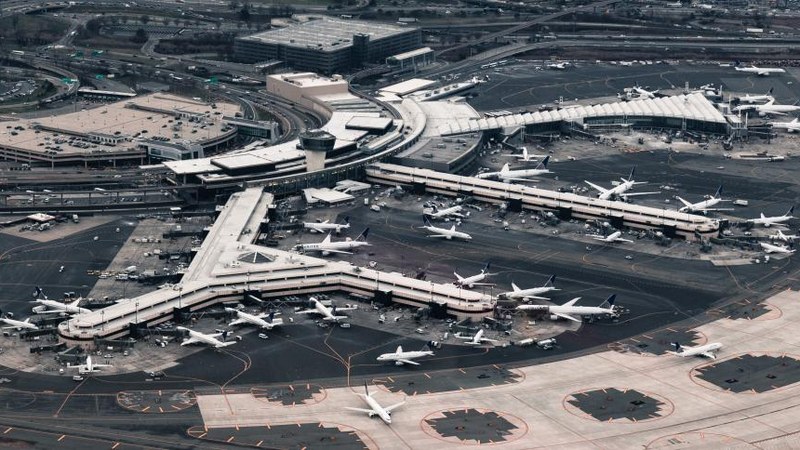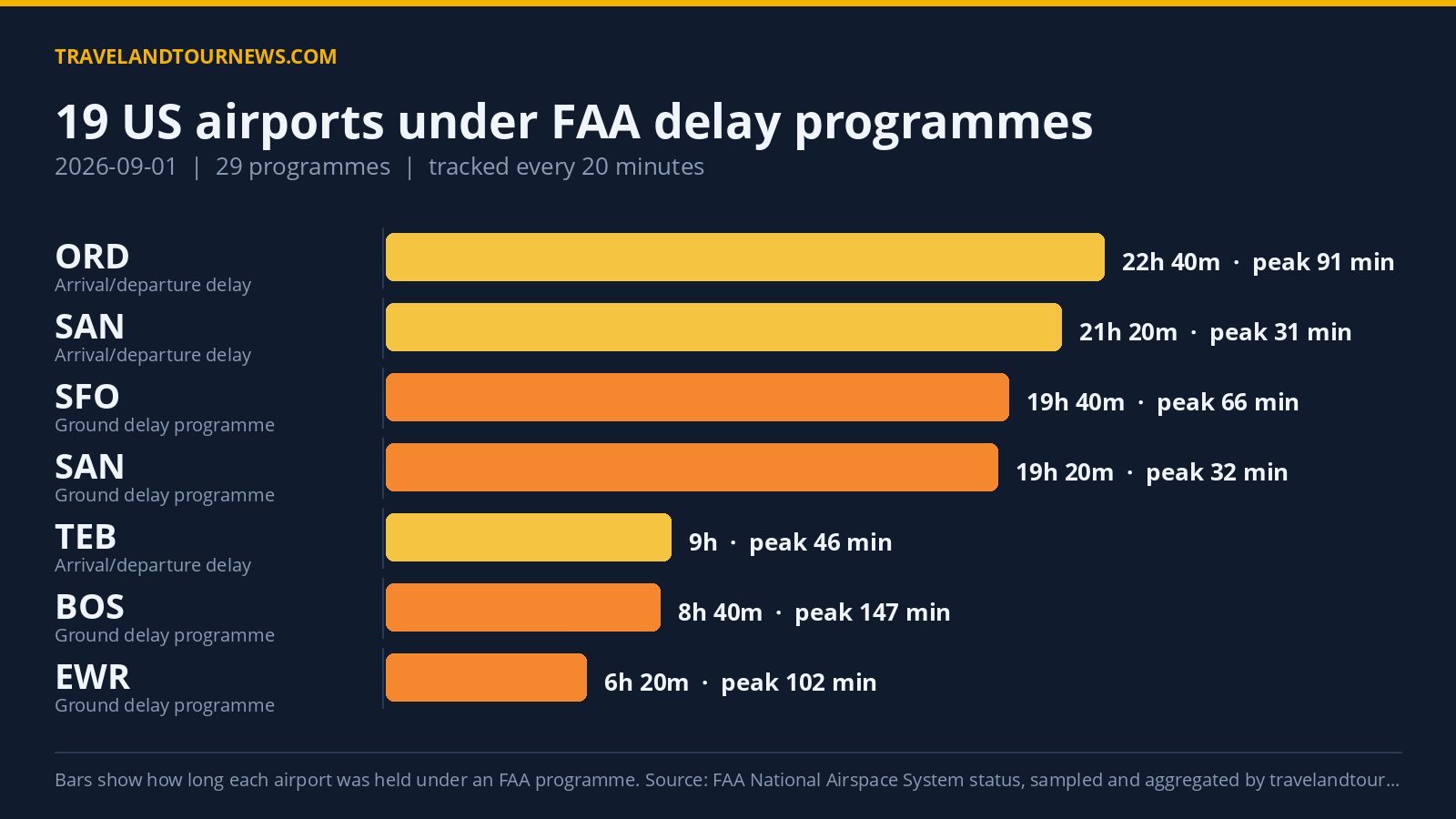
More than 896 flights were delayed and approximately 200 were canceled today at major U.S. airport hubs, including John F. Kennedy, LaGuardia, Chicago O’Hare, Philadelphia, Washington, Atlanta, and Boston Logan International, amid thunderstorms and low visibility conditions.
Key Airports Affected by Ongoing Weather and Staffing Disruptions
Flight disruptions affected air corridors from the East Coast to the Midwest. Airports such as Chicago O’Hare, Atlanta, and New York area hubs experienced hundreds of delays and dozens of cancellations in recent weeks tied to severe storms. Boston Logan International recorded hundreds of delays and multiple cancellations during July heavy rain. Similarly, June storms forced a ground stop at Chicago O’Hare, resulting
in over 200 cancellations and more than 1,200 delays.
Weather, Staffing, and Technology Failures Drive Delays
The Federal Aviation Administration issued advisories for storm-related ground stops and flow control programs restricting departures at New York, Philadelphia, and Washington airports today. These measures slowed or paused flight departures, rapidly backing up schedules. Additionally, FAA reports highlight staffing shortages in air traffic control, particularly in busy coastal and Midwestern facilities, which necessitated conservative traffic metering. Recent technology outages, such as a July 2026 IT failure at American Airlines delaying 30% of its schedule and canceling over 200 flights, and a 2024 CrowdStrike-related outage at Delta with over 7,000 cancellations
across five days, underscore how such issues compound operational challenges.
Passenger Impacts from Delays and Cancellations
The near 900 delayed flights and roughly 200 cancellations today have caused long lines, missed connections, and rerouted travel plans at major U.S. hubs. Flights departing late afternoon and evening face the greatest disruption. Historical Department of Transportation data show airlines often struggle to recover normal operations promptly after single-day disturbances, extending travel interruptions beyond the initial day. Travelers impacted on these routes encounter complications with aircraft positioning and crew availability, increasing ripple effects across connecting flights.
Regulatory Passenger Protections and Capacity Constraints
The U.S. Department of Transportation mandates that airlines refund unused tickets if a
flight is canceled or significantly delayed and passengers opt not to fly. Federal proposals consider additional passenger compensation requirements during extended disruptions, though these remain under review. High summer travel demand strains runway and airspace capacity, limiting operational slack and exacerbating delays when storms or staffing gaps occur. Airlines recommend using mobile apps and call centers to manage itinerary changes as customer service counters at airports face high volume during these disruptions.