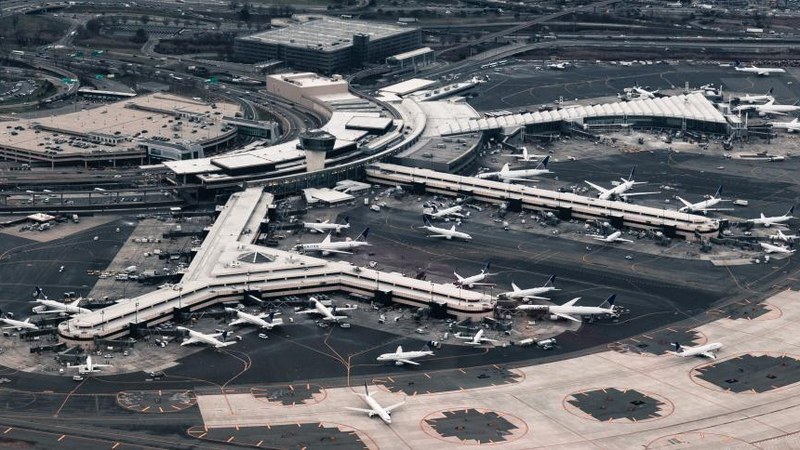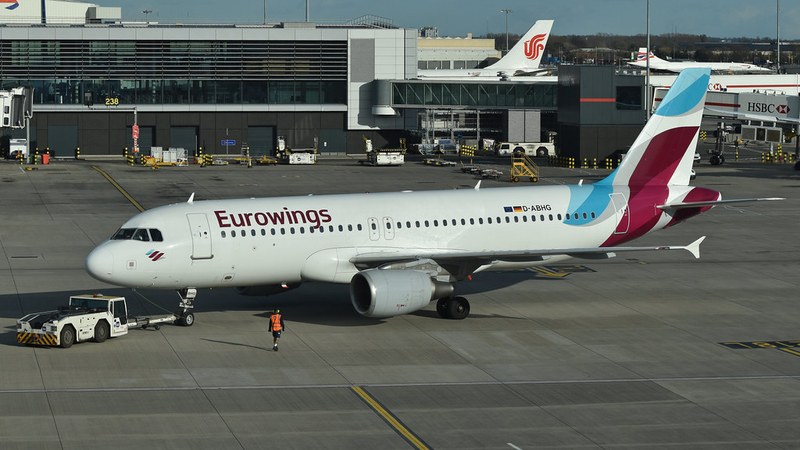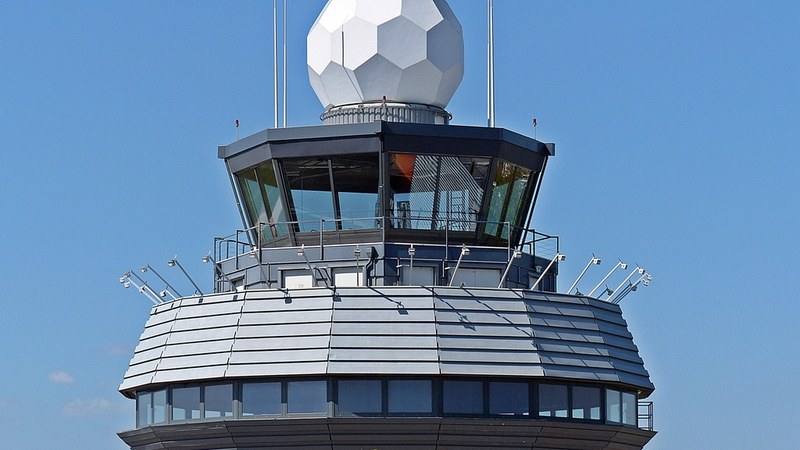
A technical failure in the National Air Traffic Services (NATS) flight processing system on September 8, 2026, caused extensive disruption across major UK airports. The failure resulted in around 1,300 cancellations on that day alone, according to FlightRadar24, with other data sources reporting a total of approximately 2,100 flight cancellations nationwide. Airports including London Heathrow, London Gatwick, Manchester, and London Stansted were significantly affected, with the resulting operational difficulties extending to airports throughout Europe.
Passenger Impact and Airlines Affected
The disruption affected at least 300,000 passengers across the UK airspace. London Heathrow experienced the highest cancellation volume, recording 182 flight cancellations on September 8. British
Airways was the most impacted airline, cancelling 81 flights, while easyJet cancelled 24 flights due to the system failure. Heathrow airport suspended all arriving flights for the remainder of the day on September 8, though departures resumed later. As of September 9, FlightRadar24 reported at least 177 cancellations, predominantly at Heathrow, with delays continuing as airlines manage aircraft and crew repositioning.
Official Responses and Statements
Martin Rolfe, CEO of NATS, issued an apology for the disruption and confirmed a full investigation into the cause of the technical failure. An official NATS statement described the recovery effort as “very complex” and acknowledged that the disruption
caused widespread difficulties throughout the aviation network. Heathrow Airport released a statement on the morning of September 9, cautioning passengers that while flights were operating, some disruptions could persist due to ongoing repositioning efforts, and advised travelers to verify flight statuses directly with airlines before traveling.
“This has been a very complex recovery and has created difficulties for the whole aviation network, from which it will take time to recover,” the NATS statement read.
Heathrow’s statement added: “Following yesterday’s NATS technical issue, flights are operating today, but some disruption may continue as airlines reposition aircraft and crew. Please check your
flight status with your airline before traveling to the airport and only travel if your flight is confirmed to be operating.”
Passenger Rights and Compensation
The UK Civil Aviation Authority has outlined passenger compensation rights for delays and cancellations linked to the NATS system failure. Passengers delayed by three hours or more are eligible to claim between £220 and £520 in compensation, depending on delay length. For delays exceeding five hours, travelers may opt for a full refund instead of completing their journey. While air traffic control disruptions are often classified as “extraordinary circumstances” exempting airlines from automatic compensation, affected passengers can still seek
refunds, alternate flights, and amenities such as food vouchers, airport transfers, or hotel accommodations if their delay includes overnight disruptions.
Compensation claims are not automatic and procedures vary among airlines. EU passenger rights may apply only in limited cases involving EU airlines or flights operating to or from EU countries, given the UK’s post-Brexit status.
Ongoing Recovery and Investigation
Recovery from the NATS system failure is ongoing on September 9, 2026. Airlines are actively repositioning aircraft and crews displaced by the disruption to clear backlogs. Despite partial resumption of operations, delays and cancellations remain, particularly at London Heathrow. A formal inquiry is underway to
determine the precise technical cause of the failure; authorities have excluded cyberattack as a reason. NATS reported that resolving the issue took longer than anticipated, underscoring the complexity of restoring full service to the affected UK and European aviation networks.