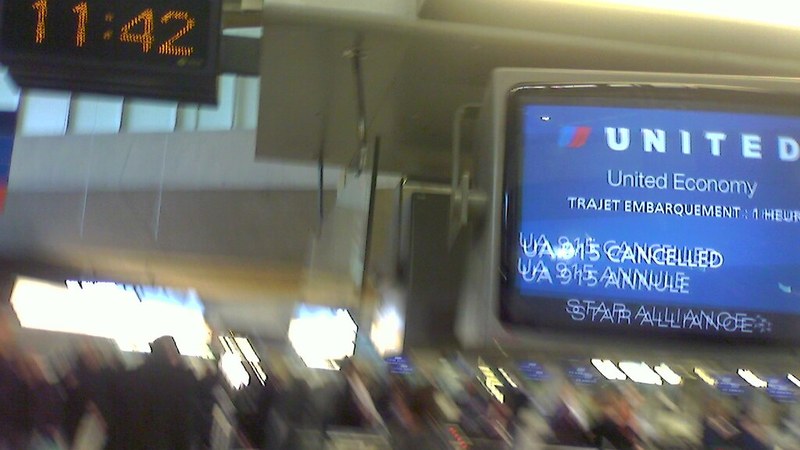
More than 1,750 flights were cancelled across the United Kingdom on September 8 and 9, 2026, following a technical failure in the air traffic control system operated by NATS. The disruptions affected Heathrow Airport, Gatwick Airport, and 13 other UK airports, spreading delays beyond the country.
Passenger Delays and Operational Challenges
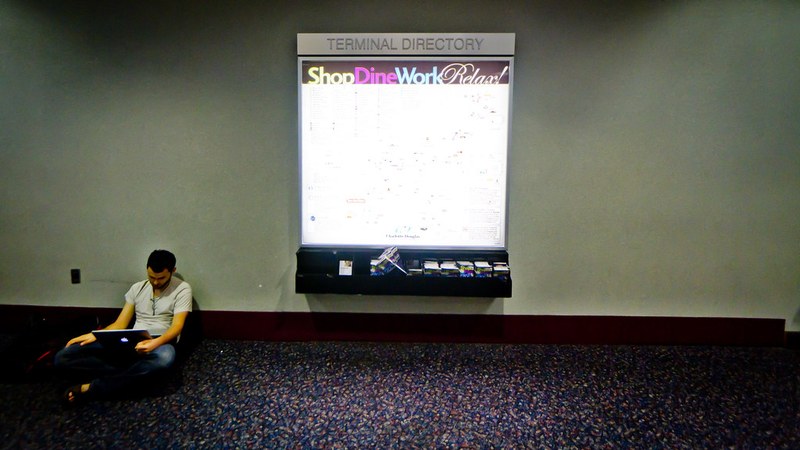
Thousands of passengers were stranded on runways and inside airport terminals for hours as airlines and airports struggled to manage a backlog of cancellations and delays. British Airways disabled its customer service phone number due to overwhelming call volumes, leaving many travelers without assistance. At Gatwick Airport, some passengers resorted to sleeping on floors
amid the lack of flight information.
Official Reactions and Investigations
Martin Rolfe, head of NATS, apologized for the inconvenience but emphasized that the UK’s air traffic control system remains among the safest and most efficient globally. He stated that disruption decisions prioritize passenger safety and are only made when unresolved system issues arise. UK Transport Secretary Heidi Alexander met with Rolfe on September 9, demanding a thorough investigation into the event within one week to identify lessons learned. The UK government, which owns 49% of NATS and holds veto power over key decisions, reaffirmed its confidence in Rolfe amid calls for his resignation following
the second air traffic meltdown in three years.
Passenger Experiences and Airport Advisories
Passengers faced significant financial and logistical hardship. Charlie Adlard, a traveler delayed at Heathrow while flying from western England to Palermo, Sicily, described being unable to obtain help from British Airways and incurring extra expenses on hotels and meals. Heathrow Airport publicly urged travelers to check flight statuses before coming to the airport, advising travelers to only proceed if their flights were confirmed. Heathrow also confirmed deploying additional staff across terminals to support affected passengers during recovery efforts.
Causes and Scope of the Disruption
NATS traced the problem to “an issue in our flight processing system,” which triggered
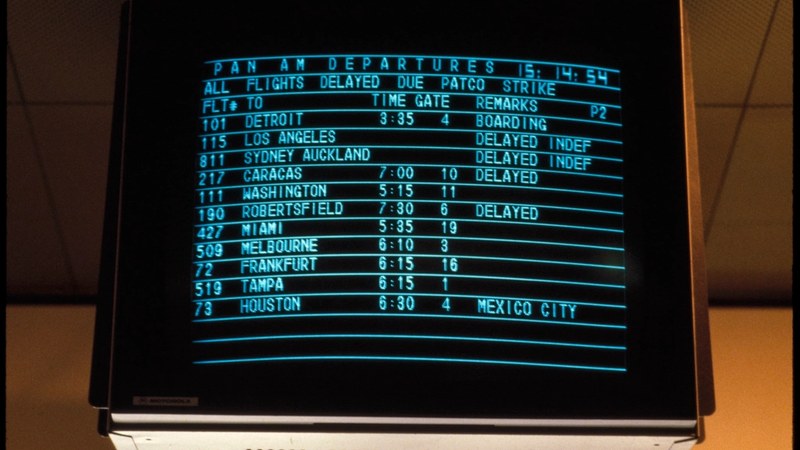
the cancellations and delays starting September 8. Though the initial technical fault was resolved by Tuesday afternoon, the backlog contributed to ongoing disruptions on September 9. The incident impacted flights across 15 UK airports, extending the delays throughout the domestic and European airspace. Airport authorities and airlines continue coordinating to restore normal operations as swiftly as possible.
Martin Rolfe said, “Our job is also to make sure that people stay safe. We never do this lightly. We only ever do it when there is an issue that cannot be resolved quickly, and we have to take action to make (sure)
those who are flying, who are in the air at that time, are safe. And when we can restore these incredibly complex systems we do so as quickly as we can.” Heathrow Airport stated, “We apologize to those affected and have extra colleagues across our terminals to support passengers while we work with NATS and airline partners to restore normal operations as quickly as possible.” Passenger Charlie Adlard added, “Due to the lack of information, due to everything crashing now, due to the fact that apparently BA have now switched off their customer service phone number because there’s so many
calls, we’re not really sure what to do.”